Kirjojen hintavertailu. Mukana 11 699 587 kirjaa ja 12 kauppaa.

Kirjahaku

Etsi kirjoja tekijän nimen, kirjan nimen tai ISBN:n perusteella.

3 kirjaa tekijältä David A. Bender

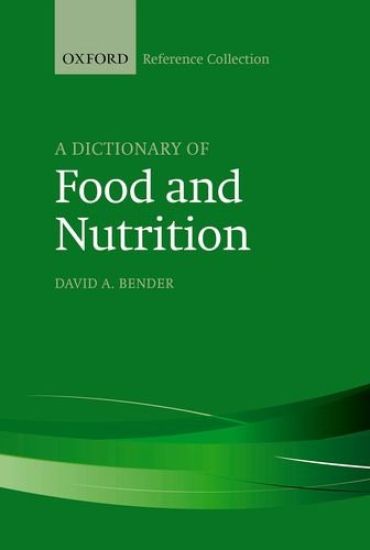
A Dictionary of Food and Nutrition

A Dictionary of Food and Nutrition

David A. Bender

Oxford University Press
2018
sidottu
This leading dictionary contains over 6,150 entries covering all aspects of food and nutrition, diet and health. Jargon-free definitions make this a valuable dictionary that clearly explains even the most technical of nutritional terms. From absinthe to zymogens it covers types of food (including everyday foods and little-known foods, e.g. payusnaya), nutritional information, vitamins, minerals, and key scientific areas including metabolism and genomics. It also includes clear guidance on which foods are good sources of major nutrients, with recommended Daily Allowance lists for babies, children, men, and women. It is an essential A-Z for students of nutrition, dietetics, food science, and health and human sciences; professionals within the food industry, including nutritionists, cooks, and food manufacturers; and anyone interested in food who wants to discover more about what they eat.
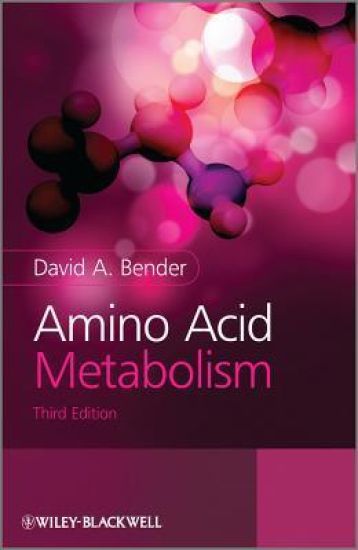
Amino Acid Metabolism

Amino Acid Metabolism

David A. Bender

John Wiley Sons Inc
2012
sidottu
Amino Acid Metabolism, 3rd Edition covers all aspects of the biochemistry and nutritional biochemistry of the amino acids. Starting with an overview of nitrogen fixation and the incorporation of inorganic nitrogen into amino acids, the book then details other major nitrogenous compounds in micro-organisms, plants and animals. Contents include a discussion of the catabolism of amino acids and other nitrogenous compounds in animals, and the microbiological reactions involved in release of nitrogen gas back into the atmosphere. Mammalian (mainly human) protein and amino acid requirements are considered in detail, and the methods that are used to determine them. Chapters consider individual amino acids, grouped according to their metabolic origin, and discussing their biosynthesis (in plants and micro-organisms for those that are dietary essentials for human beings), major metabolic roles (mainly in human metabolism) and catabolism (again mainly in human metabolism). There is also discussion of regulatory mechanisms for all these metabolic pathways, and of metabolic and genetic diseases affecting the (human) metabolism of amino acids. Throughout the book the emphasis is on the nutritional importance of amino acids, integration and control of metabolism and metabolic and other disturbances of relevance to human biochemistry and health. Completely revised edition of this comprehensive text covering all the latest findings in amino acid metabolism researchWritten by an authority in the fieldCovers new advances in structural biologyClear illustrations of all structures and metabolic pathwaysFull list of recommended further reading for each chapter and bibliography of papers cited in the text
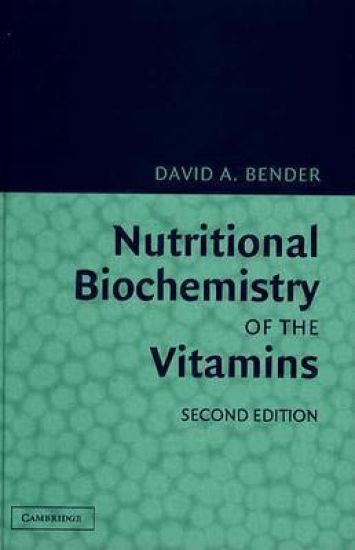
Nutritional Biochemistry of the Vitamins

Nutritional Biochemistry of the Vitamins

David A. Bender

Cambridge University Press
2003
sidottu
The vitamins are a chemically disparate group of compounds whose only common feature is that they are dietary essentials that are required in small amounts for the normal functioning of the body and maintenance of metabolic integrity. Metabolically they have diverse function, as coenzymes, hormones, antioxidants, mediators of cell signaling and regulators of cell and tissue growth and differentiation. This book explores the known biochemical functions of the vitamins, the extent to which we can explain the effects of deficiency or excess and the scientific basis for reference intakes for the prevention of deficiency and promotion of optimum health and well-being. It also highlights areas where our knowledge is lacking and further research is required. It provides a compact and authoritative reference volume of value to students and specialists alike in the field of nutritional biochemistry, and indeed all who are concerned with vitamin nutrition, deficiency and metabolism.