Kirjojen hintavertailu. Mukana 11 342 296 kirjaa ja 12 kauppaa.

Kirjahaku

Etsi kirjoja tekijän nimen, kirjan nimen tai ISBN:n perusteella.

12 kirjaa tekijältä David A. Davis

A Kingdom We Can Taste

A Kingdom We Can Taste

David A. Davis

William B Eerdmans Publishing Co
2007
nidottu
These rich sermons are rooted in congregational life and steeped in Christian doctrine and the celebrations of the church year. "A Kingdom We Can Taste" reflects one preacher's effort at leading a congregation through the seasons of Advent, Christmas, Epiphany, Lent, and Easter. David Davis uses a unique combination of resources - select Old Testament texts, the Apostles' Creed, lectionary assignments, and more - in his progression of sermons. Readers who "listen" to these thirteen messages, or preaching conversations, will experience the gospel proclaimed and feel a comforting sense of belonging to the community of faith. This inspiring little volume is perfect for pastors preparing sermons of their own, seminary students looking for a model of good preaching, or laypeople wanting quality meditations to chew on.

Toward Significance: A Guide for Pastoring Well

Toward Significance: A Guide for Pastoring Well

David A. Davis

Tenth Power Publishing
2020
nidottu
Ministry that matters and a life well-lived result from lots of the small, right things done well over a long time.That's the well-worn path toward significance. This series of essays was originally written as weekly letters to pastors and fellow leaders of "normal- size" churches or congregations. Each chapter has practical, highly readable, and Biblically-based insights that resonate with leaders of any size church. Learn not only how to properly manage core issues of character, habit, and organization but also how to avoid stumbling blocks and increase the significance of ministry. Designed with a built-in Conversation Guide, the book models how pastors can engage in healthy dialogue with congregational leaders about matters of significance.Instead of providing a silver bullet to propel your ministry forward, the author encourages a steady focus on: Proclaiming Jesus joyfullyReading God's word persistentlyPraying aggressivelyLiving faithfullyLoving impartiallyTinkering relentlessly
Driven to the Field

Driven to the Field

David A. Davis

UNIVERSITY OF VIRGINIA PRESS
2023
sidottu
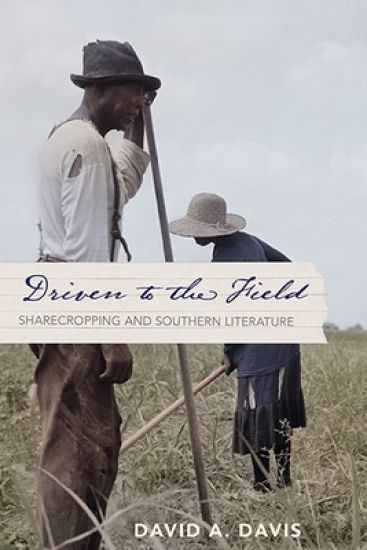
Driven to the Field traces the culture of sharecropping—crucial to understanding life in the southern United States—from Emancipation to the twenty-first century. By reading dozens of works of literature in their historical context, David A. Davis demonstrates how sharecropping emerged, endured for a century, and continues to resonate in American culture. Following the end of slavery, sharecropping initially served as an expedient solution to a practical problem, but it quickly developed into an entrenched power structure situated between slavery and freedom that exploited the labor of Blacks and poor whites to produce agricultural commodities.Sharecropping was the economic linchpin in the South’s social structure, and the region’s political system, race relations, and cultural practices were inextricably linked with this peculiar form of tenant farming from the end of the Civil War through the civil rights movement. Driven to the Field analyzes literary portrayals of this system to explain how it defined the culture of the South, revealing multiple genres of literature that depicted sharecropping, such as cotton romances, agricultural uplift novels, proletarian sharecropper fiction, and sharecropper autobiographies—important works of American literature that have never before been evaluated and discussed in their proper context.
Driven to the Field

Driven to the Field

David A. Davis

UNIVERSITY OF VIRGINIA PRESS
2023
pokkari
Driven to the Field traces the culture of sharecropping—crucial to understanding life in the southern United States—from Emancipation to the twenty-first century. By reading dozens of works of literature in their historical context, David A. Davis demonstrates how sharecropping emerged, endured for a century, and continues to resonate in American culture. Following the end of slavery, sharecropping initially served as an expedient solution to a practical problem, but it quickly developed into an entrenched power structure situated between slavery and freedom that exploited the labor of Blacks and poor whites to produce agricultural commodities.Sharecropping was the economic linchpin in the South’s social structure, and the region’s political system, race relations, and cultural practices were inextricably linked with this peculiar form of tenant farming from the end of the Civil War through the civil rights movement. Driven to the Field analyzes literary portrayals of this system to explain how it defined the culture of the South, revealing multiple genres of literature that depicted sharecropping, such as cotton romances, agricultural uplift novels, proletarian sharecropper fiction, and sharecropper autobiographies—important works of American literature that have never before been evaluated and discussed in their proper context.
World War I and Southern Modernity

World War I and Southern Modernity

David A. Davis

University Press of Mississippi
2017
sidottu
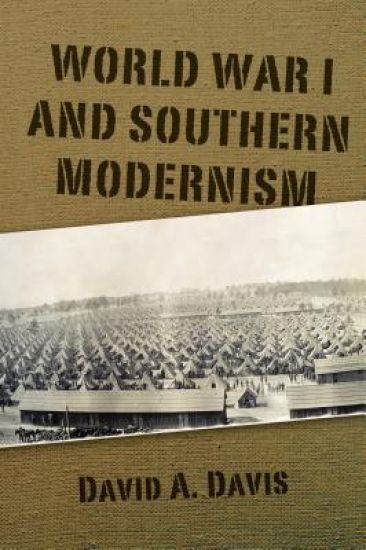
When the United States entered World War I, parts of the country had developed industries, urban cultures, and democratic political systems, but the South lagged behind, remaining an impoverished, agriculture region. Despite New South boosterism, the culture of the early twentieth-century South was comparatively artistically arid. Yet, southern writers dominated the literary marketplace by the 1920s and 1930s. World War I brought southerners into contact with modernity before the South fully modernized. This shortfall created an inherent tension between the region’s existing agricultural social structure and the processes of modernization, leading to distal modernism, a form of writing that combines elements of modernism to depict non-modern social structures. Critics have struggled to formulate explanations for the eruption of modern southern literature, sometimes called the Southern Renaissance. ,br>Pinpointing World War I as the catalyst, David A. Davis argues southern modernism was not a self-generating outburst of writing, but a response to the disruptions modernity generated in the region. In World War I and Southern Modernism, Davis examines dozens of works of literature by writers, including William Faulkner, Ellen Glasgow, and Claude McKay, that depict the South during the war. Topics explored in the book include contact between the North and the South, southerners who served in combat, and the developing southern economy. Davis also provides a new lens for this argument, taking a closer look at African Americans in the military and changing gender roles.
World War I and Southern Modernism

World War I and Southern Modernism

David A. Davis

University Press of Mississippi
2019
nidottu
Winner of the 2018 Eudora Welty Prize.When the United States entered World War I, parts of the country had developed industries, urban cultures, and democratic political systems, but the South lagged behind, remaining an impoverished, agriculture region. Despite New South boosterism, the culture of the early twentieth-century South was comparatively artistically arid. Yet, southern writers dominated the literary marketplace by the 1920s and 1930s. World War I brought southerners into contact with modernity before the South fully modernized. This shortfall created an inherent tension between the region's existing agricultural social structure and the processes of modernization, leading to distal modernism, a form of writing that combines elements of modernism to depict non-modern social structures. Critics have struggled to formulate explanations for the eruption of modern southern literature, sometimes called the Southern Renaissance. Pinpointing World War I as the catalyst, David A. Davis argues southern modernism was not a self-generating outburst of writing, but a response to the disruptions modernity generated in the region. In World War I and Southern Modernism, Davis examines dozens of works of literature by writers, including William Faulkner, Ellen Glasgow, and Claude McKay, that depict the South during the war. Topics explored in the book include contact between the North and the South, southerners who served in combat, and the developing southern economy. Davis also provides a new lens for this argument, taking a closer look at African Americans in the military and changing gender roles.
The Practicality of Prayer

The Practicality of Prayer

David A. Davis

Createspace Independent Publishing Platform
2017
nidottu
The purpose of this book is to provide the Body of Christ with a resource to help build their individual skill level in the place of prayer. God receives extreme pleasure in answering prayer in concert with His will. (1 John 5:14-15) And this is the confidence that we have in him, that, if we ask any thing according to his will, he heareth us. 15 And if we know that he hear us, whatsoever we ask, we know that we have the petitions that we desired of him. The heart of this prayer manual is to help believers improve in praying accurately according to the Word of God.
Living in the Favor Flow

Living in the Favor Flow

David A. Davis

Createspace Independent Publishing Platform
2017
nidottu
This book is written in the form of practical application so that any Believer can through faith receive and experience the favor of God. These principles are a compilation of lessons I have studied and proven over the years. God is not a respecter of persons but of principles. It is my hope that these lessons and applications will enlighten and equip you to become a conduit of God's favor flow so that you may become an instrument of blessing for others and the advancement of the Kingdom of Christ.