Kirjojen hintavertailu. Mukana 11 717 486 kirjaa ja 12 kauppaa.

Kirjahaku

Etsi kirjoja tekijän nimen, kirjan nimen tai ISBN:n perusteella.

9 kirjaa tekijältä David A. Fennell

Ecotourism

Ecotourism

David A. Fennell

Routledge
2020
sidottu
The new fifth edition of Ecotourism focuses on an array of economic, social and ecological inconsistencies that continue to plague ecotourism in theory and practice, and examines the sector in reference to other related forms of tourism, impacts, conservation, sustainability, education and interpretation, policy and governance, and the ethical imperative of ecotourism as these apply to the world’s greenest form of tourism.Building on the success of prior editions, the text has been revised throughout to incorporate recent research, including ecotourism taking place in under-represented world regions. It includes new case studies on important themes in research and practice as well as learning objectives in each chapter. David Fennell provides an authoritative and comprehensive review of the most important issues, including climate change and UN Sustainable Development Goals. Ecotourism continues to be embraced as the antithesis of mass tourism because of its promise of achieving sustainability through conservation mindedness, community development, education and learning, and the promotion of nature-based activities that are sensitive to both ecological and social systems. The book debates to what extent this promise has been realised.An essential reference for those interested in ecotourism, the book is accessible to students, but retains the depth required for use by researchers and practitioners in the field. This book will be of interest to students across a range of disciplines including geography, economics, business, ethics, biology, and environmental studies.
Ecotourism

Ecotourism

David A. Fennell

Routledge
2020
nidottu
The new fifth edition of Ecotourism focuses on an array of economic, social and ecological inconsistencies that continue to plague ecotourism in theory and practice, and examines the sector in reference to other related forms of tourism, impacts, conservation, sustainability, education and interpretation, policy and governance, and the ethical imperative of ecotourism as these apply to the world’s greenest form of tourism.Building on the success of prior editions, the text has been revised throughout to incorporate recent research, including ecotourism taking place in under-represented world regions. It includes new case studies on important themes in research and practice as well as learning objectives in each chapter. David Fennell provides an authoritative and comprehensive review of the most important issues, including climate change and UN Sustainable Development Goals. Ecotourism continues to be embraced as the antithesis of mass tourism because of its promise of achieving sustainability through conservation mindedness, community development, education and learning, and the promotion of nature-based activities that are sensitive to both ecological and social systems. The book debates to what extent this promise has been realised.An essential reference for those interested in ecotourism, the book is accessible to students, but retains the depth required for use by researchers and practitioners in the field. This book will be of interest to students across a range of disciplines including geography, economics, business, ethics, biology, and environmental studies.
Tourism and Animal Ethics

Tourism and Animal Ethics

David A. Fennell

TAYLOR FRANCIS LTD
2024
sidottu
This timely book provides a critical account of the role that animals play in the tourism industry, representing an extension of the sustainability imperative and environmental theory.Written by a leading academic and author, this volume explores the rich history of animal ethics research, both inside and outside of tourism studies, for the purpose of providing greater theoretical, empirical, conceptual, and practical guidance. It examines historical and current practices of the use of animals in the tourism industry from both in situ to ex situ consumption and production perspectives, identifying a range of ethical issues associated with such use. This second edition has been updated to reflect contemporary research and thinking around animal welfare, hunting, and consumption with new chapters on animals as food, and policy at the national and international levels. New case studies have been integrated throughout.Offering an interdisciplinary overview of the moral issues related to the use of animals in tourism through cutting-edge research, this book is essential reading for students, academics, and researchers interested in tourism ethics, sustainable tourism, and wildlife tourism.
Tourism and Animal Ethics

Tourism and Animal Ethics

David A. Fennell

TAYLOR FRANCIS LTD
2024
nidottu
This timely book provides a critical account of the role that animals play in the tourism industry, representing an extension of the sustainability imperative and environmental theory.Written by a leading academic and author, this volume explores the rich history of animal ethics research, both inside and outside of tourism studies, for the purpose of providing greater theoretical, empirical, conceptual, and practical guidance. It examines historical and current practices of the use of animals in the tourism industry from both in situ to ex situ consumption and production perspectives, identifying a range of ethical issues associated with such use. This second edition has been updated to reflect contemporary research and thinking around animal welfare, hunting, and consumption with new chapters on animals as food, and policy at the national and international levels. New case studies have been integrated throughout.Offering an interdisciplinary overview of the moral issues related to the use of animals in tourism through cutting-edge research, this book is essential reading for students, academics, and researchers interested in tourism ethics, sustainable tourism, and wildlife tourism.
Ecotourism

Ecotourism

David A. Fennell

TAYLOR FRANCIS LTD
2025
nidottu
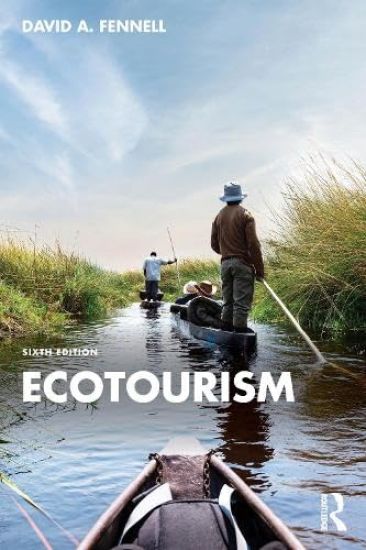
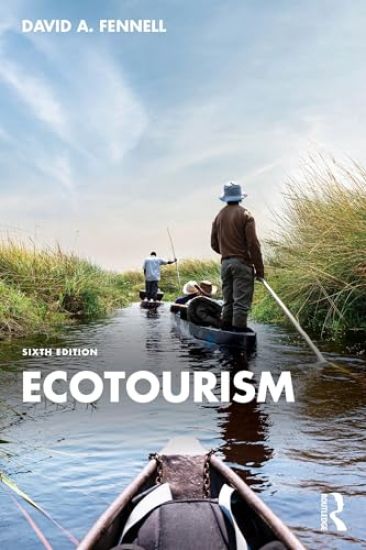
The new sixth edition of Ecotourism focuses on an array of economic, social and ecological inconsistencies that continue to plague ecotourism in theory and practice, and examines the sector in reference to other related forms of tourism, impacts, conservation, sustainability, education and interpretation, policy and governance, and the ethical imperative of ecotourism as these apply to the world’s greenest form of tourism.Building on the success of prior editions, the text has been revised throughout to incorporate recent research, including ecotourism taking place in underrepresented world regions. It includes new case studies on important themes in research and practice as well as learning objectives in each chapter. David A. Fennell provides an authoritative and comprehensive review of the most important issues, including climate change and UN Sustainable Development Goals. Ecotourism continues to be embraced as the antithesis of mass tourism because of its promise of achieving sustainability through conservation mindedness, community development, education and learning, and the promotion of nature-based activities that are sensitive to both ecological and social systems. The book debates to what extent this promise has been realised.An essential reference for those interested in ecotourism, the book is accessible to students, but retains the depth required for use by researchers and practitioners in the field. This book will be of interest to students across a range of disciplines including geography, economics, business, ethics, biology, and environmental studies.
Ecotourism

Ecotourism

David A. Fennell

TAYLOR FRANCIS LTD
2025
sidottu
The new sixth edition of Ecotourism focuses on an array of economic, social and ecological inconsistencies that continue to plague ecotourism in theory and practice, and examines the sector in reference to other related forms of tourism, impacts, conservation, sustainability, education and interpretation, policy and governance, and the ethical imperative of ecotourism as these apply to the world’s greenest form of tourism.Building on the success of prior editions, the text has been revised throughout to incorporate recent research, including ecotourism taking place in underrepresented world regions. It includes new case studies on important themes in research and practice as well as learning objectives in each chapter. David A. Fennell provides an authoritative and comprehensive review of the most important issues, including climate change and UN Sustainable Development Goals. Ecotourism continues to be embraced as the antithesis of mass tourism because of its promise of achieving sustainability through conservation mindedness, community development, education and learning, and the promotion of nature-based activities that are sensitive to both ecological and social systems. The book debates to what extent this promise has been realised.An essential reference for those interested in ecotourism, the book is accessible to students, but retains the depth required for use by researchers and practitioners in the field. This book will be of interest to students across a range of disciplines including geography, economics, business, ethics, biology, and environmental studies.
Tourism and Animal Ethics

Tourism and Animal Ethics

David A. Fennell

Routledge
2017
nidottu
There is a long history of the involvement of animals for tourism purposes in circuses, zoos, fairs, ecotourism and wildlife tourism, using animals as the prime focus of their experience. The wave of responsibility and sustainability that currently permeates the tourism field is catalyzing deeper moral questions about equity, equality, rights, justice, and values in regards to what constitutes acceptable tourism practice.Tourism and Animal Ethics represents a required extension of the sustainability imperative and environmental theory by providing a critical account of the role that animals play in tourism. This book explores the rich history of animal ethics research that lies outside the field of tourism for the purpose of providing greater theoretical, empirical and conceptual guidance inside the field. It examines historical and current practices of the use of animals in the tourism industry from both in situ to ex situ consumption and production perspectives, identifying a range of ethical issues associated with such use. This detailed examination of current animal ethics theories will be instrumental in determining the rightness or wrongness of these practices, and hence allow tourism practitioners and theorists to think about these issues and practices in a different light, minimizing the impact that the industry has on animals.This text provides an interdisciplinary overview of the moral issues related to the use of animals in tourism, and contains cutting edge research and boxed international case studies throughout. It will appeal to students, academics and researchers interested in Tourism Ethics, Sustainable Tourism and Wildlife Tourism.
Tourism Ethics

Tourism Ethics

David A. Fennell

Channel View Publications
2017
nidottu
This book remains the most in-depth large-scale introductory text on ethics as applied to tourism, examining the deep theoretical aspects of how human nature applies to tourism. It explores theory from a number of different disciplines, provides an overview of work on moral reasoning and development, and weaves together theory with real-world tourism ethics problems and issues. The new edition of this landmark volume has been reworked and updated to take into account important works published since the first edition, including more than 100 new references on ethics and tourism ethics, and to engage more with 20th century theorists in philosophy. It continues to be an important text for students and researchers in tourism, recreation and leisure studies, geography, environmental studies and business.
Tourism Ethics

Tourism Ethics

David A. Fennell

Channel View Publications
2017
sidottu
This book remains the most in-depth large-scale introductory text on ethics as applied to tourism, examining the deep theoretical aspects of how human nature applies to tourism. It explores theory from a number of different disciplines, provides an overview of work on moral reasoning and development, and weaves together theory with real-world tourism ethics problems and issues. The new edition of this landmark volume has been reworked and updated to take into account important works published since the first edition, including more than 100 new references on ethics and tourism ethics, and to engage more with 20th century theorists in philosophy. It continues to be an important text for students and researchers in tourism, recreation and leisure studies, geography, environmental studies and business.