
Kirjojen hintavertailu. Mukana 11 699 587 kirjaa ja 12 kauppaa.

Kirjahaku

Etsi kirjoja tekijän nimen, kirjan nimen tai ISBN:n perusteella.

2 kirjaa tekijältä David A. Scott

Behind the G-String

Behind the G-String

David A. Scott

McFarland Co Inc
2003
pokkari
In recent years, the number of strip clubs in the United States has increased dramatically. Dressed up with terms such as "gentlemen's clubs," they often feature valet parking, limousines, executive dining rooms, extravagant menus-and, of course, topless or nude women dancing on stage. Stripping has become a big business, with over 3.5 million people, primarily men, attending clubs each week. But what about the women who perform in the clubs? Why do they do it? What is their perception of their job? Numerous interviews with working strippers accompany extensive research in the literature. Some strippers see stripping as simply a job, others view it with a degree of embarrassment, while many see it as an opportunity for empowerment. Few became strippers by design but a surprising number continue to strip for many years. The use of drugs and instances of abuse are covered, as are the views of the strippers' families.
Art

Art

David A. Scott

Cotsen Institute of Archaeology at UCLA
2016
nidottu
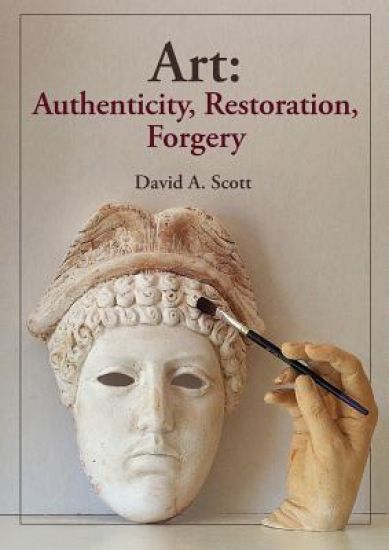
This book presents a detailed account of authenticity in the visual arts from the Paleolithic to the postmodern. The restoration of works of art can alter the perception of authenticity and may result in the creation of fakes and forgeries. These interactions set the stage for the subject of this book, which initially examines the conservation perspective, then continues with a detailed discussion of notions of authenticity and philosophical background. There is a disputed territory between those who view the present-day cult of authenticity as fundamentally flawed and those who have analyzed its impact upon different cultural milieus, operating across performative, contested, and fragmented ground. The book discusses several case studies where the ideas of conceptual authenticity, aesthetic authenticity, and material authenticity can be incorporated into an informative discourse about art from the ancient to the contemporary, illuminating concerns relating to restoration and art forgery.