

Kirjahaku
Etsi kirjoja tekijän nimen, kirjan nimen tai ISBN:n perusteella.
5 kirjaa tekijältä David Arthur


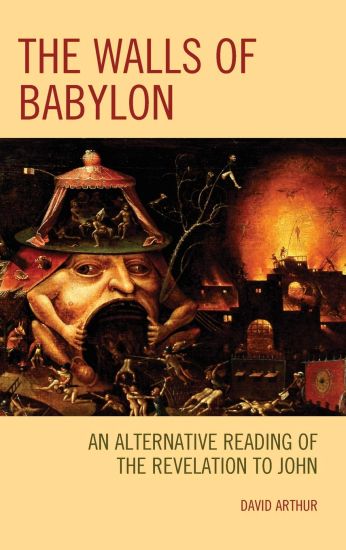
Through a daringly revisionist reading of the Revelation to John, The Walls of Babylon overthrows conventional assumptions, liberal and conservative alike, regarding Gnosticism and apocalyptic eschatology, and dismantles and reconstructs a received narrative of early Christian history. Scholars have long assumed that Revelation arose in response to a perceived crisis prompted by conflict between the emerging church and the Roman Empire, or more broadly, between the competing claims of religious allegiance and political authority. David Arthur’s careful analysis of the text shows, however, that the motivating circumstance was provided not by external oppression but by a fierce internal dispute between gnostic and proto-orthodox groups. In the ensuing controversy, John took up the cause of the persecuted outcasts. Following the precedent of the classical prophets, he speaks not on behalf of the dominant ecclesiastical hierarchy, but as a spokesperson for the downtrodden, defamed, and dispossessed. The message he has left us offers a fiery symbolic rebuke of proto-orthodox Christianity––and by extension, challenges and controverts normative religious paradigms at every level of belief and praxis.
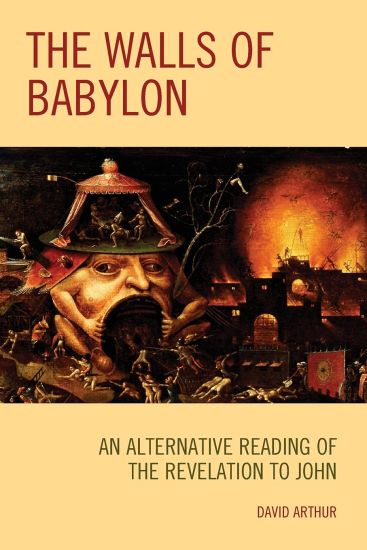
The Walls of Babylon is a radically revisionist reading of the Revelation to John, offering startling insights into the historical roots of Gnosticism, the social dynamics of early Christianity, and the shattering impact of apocalyptic eschatology. Based on a careful analysis of the text, David Arthur argues that the motivating circumstance for Revelation was provided not by external Roman oppression but by a fierce internal dispute between gnostic and proto-orthodox factions within the early church. In the ensuing controversy, John did not side with ecclesiastical officials, as might be expected, but instead took up the cause of the persecuted outcasts. Following the precedent of the classical prophets, he speaks as a champion for the downtrodden and dispossessed––represented, for him, by the gnostic heretics. The book he has left us presents a fiery symbolic rebuke of proto-orthodox Christianity, and by extension, challenges normative religious paradigms at every level of belief and praxis.