Kirjojen hintavertailu. Mukana 11 342 296 kirjaa ja 12 kauppaa.

Kirjahaku

Etsi kirjoja tekijän nimen, kirjan nimen tai ISBN:n perusteella.

5 kirjaa tekijältä David B. Goldstein

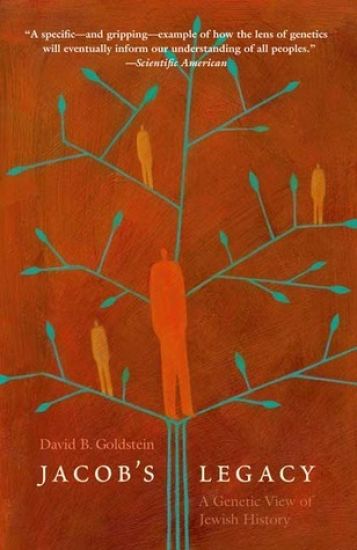
Jacob's Legacy

Jacob's Legacy

David B. Goldstein

Yale University Press
2009
pokkari
A geneticist explains the science behind genetic history and what it has revealed about Jewish origins Who are the Jews? Where did they come from? What is the connection between an ancient Jewish priest in Jerusalem and today’s Israeli sunbather on the beaches of Tel Aviv? These questions stand at the heart of this engaging book. Geneticist David Goldstein analyzes modern DNA studies of Jewish populations and examines the intersections of these scientific findings with the history (both biblical and modern) and oral tradition of the Jews. With a special gift for translating complex scientific concepts into language understandable to all, Goldstein delivers an accessible, personal, and fascinating book that tells the history of a group of people through the lens of genetics.In a series of detective-style stories, Goldstein explores the priestly lineage of Jewish males as manifested by Y chromosomes; the Jewish lineage claims of the Lemba, an obscure black South African tribe; the differences in maternal and paternal genetic heritage among Jewish populations; and much more. The author also grapples with the medical and ethical implications of our rapidly growing command of the human genomic landscape. The study of genetics has not only changed the study of Jewish history, Goldstein shows, it has altered notions of Jewish identity and even our understanding of what makes a people a people.
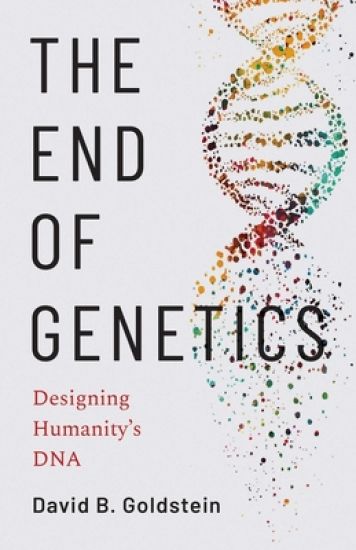
The End of Genetics

The End of Genetics

David B. Goldstein

Yale University Press
2022
sidottu
An urgent plea for a broader understanding and awareness of the unconsidered dangers of new genetic technologies Since 2010 it has been possible to determine a person’s genetic makeup in a matter of days at an accessible cost for many millions of people. Along with this technological breakthrough there has emerged a movement to use this information to help prospective parents “eliminate preventable genetic disease.” As the prospect of systematically excluding the appearance of unwanted mutations in our children comes within reach, David B. Goldstein examines the possible consequences from these types of choices. Engaging and accessible, this clarion call for responsible and informed stewardship of the human genome provides an overview of what we do and do not know about human genetics and looks at some of the complex, yet largely unexplored, issues we must be most careful about as we move into an era of increasing numbers of parents exercising direct control over the genomes of their children.
Saving Energy, Growing Jobs

Saving Energy, Growing Jobs

David B. Goldstein

Bay Tree Publishing
2007
pokkari
The idea that we must choose between a healthy environment and a healthy economy is a myth, says David Goldstein. Not only do well-conceived environmental regulations create more jobs, in the long run they contribute to more efficient designs and less expensive products. Standing between us and a cleaner, more prosperous society is the resistance of economic incumbents and a misplaced ideological opposition to any kind of regulation, even though it might prove beneficial.
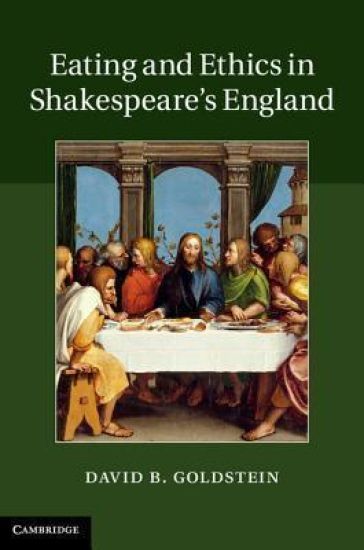
Eating and Ethics in Shakespeare's England

Eating and Ethics in Shakespeare's England

David B. Goldstein

Cambridge University Press
2013
sidottu
David B. Goldstein argues for a new understanding of Renaissance England from the perspective of communal eating. Rather than focus on traditional models of interiority, choice and consumption, Goldstein demonstrates that eating offered a central paradigm for the ethics of community formation. The book examines how sharing food helps build, demarcate and destroy relationships – between eater and eaten, between self and other, and among different groups. Tracing these eating relations from 1547 to 1680 - through Shakespeare, Milton, religious writers and recipe book authors - Goldstein shows that to think about eating was to engage in complex reflections about the body's role in society. In the process, he radically rethinks the communal importance of the Protestant Eucharist. Combining historicist literary analysis with insights from social science and philosophy, the book's arguments reverberate well beyond the Renaissance. Ultimately, Eating and Ethics in Shakespeare's England forces us to rethink our own relationship to food.
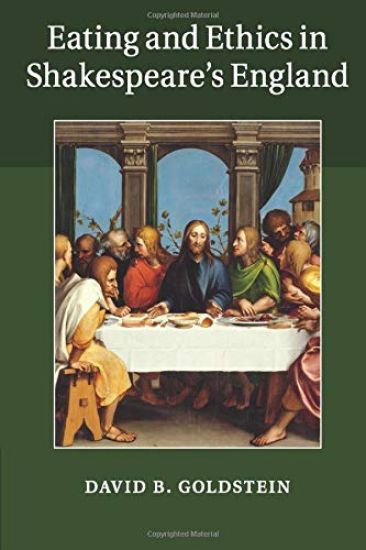
Eating and Ethics in Shakespeare's England

Eating and Ethics in Shakespeare's England

David B. Goldstein

Cambridge University Press
2017
pokkari
David B. Goldstein argues for a new understanding of Renaissance England from the perspective of communal eating. Rather than focus on traditional models of interiority, choice and consumption, Goldstein demonstrates that eating offered a central paradigm for the ethics of community formation. The book examines how sharing food helps build, demarcate and destroy relationships – between eater and eaten, between self and other, and among different groups. Tracing these eating relations from 1547 to 1680 - through Shakespeare, Milton, religious writers and recipe book authors - Goldstein shows that to think about eating was to engage in complex reflections about the body's role in society. In the process, he radically rethinks the communal importance of the Protestant Eucharist. Combining historicist literary analysis with insights from social science and philosophy, the book's arguments reverberate well beyond the Renaissance. Ultimately, Eating and Ethics in Shakespeare's England forces us to rethink our own relationship to food.