Kirjojen hintavertailu. Mukana 11 244 527 kirjaa ja 12 kauppaa.

Kirjahaku

Etsi kirjoja tekijän nimen, kirjan nimen tai ISBN:n perusteella.

4 kirjaa tekijältä David Brakke

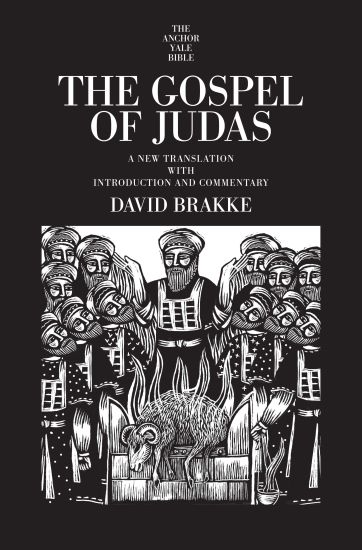
The Gospel of Judas

The Gospel of Judas

David Brakke

YALE UNIVERSITY PRESS
2022
sidottu
A new translation and commentary on the extracanonical Coptic text that describes Judas’ special status among Jesus’ disciples Since its publication in 2006, The Gospel of Judas has generated remarkable interest and debate among scholars and general readers alike. In this Coptic text from the second century C.E., Jesus engages in a series of conversations with his disciples and with Judas, explaining the origin of the cosmos and its rulers, the existence of another holy race, and the coming end of the current world order. In this new translation and commentary, David Brakke addresses the major interpretive questions that have emerged since the text’s discovery, exploring the ways that The Gospel of Judas sheds light on the origins and development of gnostic mythology, debates over the Eucharist and communal authority, and Christian appropriation of Jewish apocalyptic eschatology. The translation reflects new analyses of the work’s genre and structure, and the commentary and notes provide thorough discussions of the text’s grammar and numerous lacunae and ambiguities.
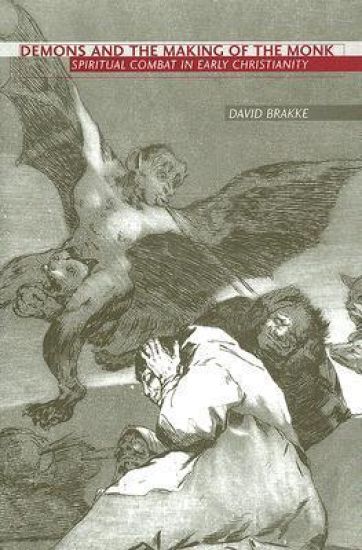
Demons and the Making of the Monk

Demons and the Making of the Monk

David Brakke

Harvard University Press
2006
sidottu
Demons--whether in embodied form or as inward temptation--make vivid appearances in early Christian monastic literature. In this finely written study of demonology and Christian spirituality in fourth- and fifth-century Egypt, David Brakke examines how the conception of the monk as a holy and virtuous being was shaped by the combative encounter with demons. Brakke studies the "making of the monk" from two perspectives. First, he describes the social and religious identities that monastic authors imagined for the demon-fighting monk: the new martyr who fights against the pagan gods, the gnostic who believes he knows both the tricks of the demons and the secrets of God, and the prophet who discerns the hidden presence of Satan even among good Christians. Then he employs recent theoretical ideas about gender and racial stereotyping to interpret accounts of demon encounters, especially those in which demons appear as the Other--as Ethiopians, as women, or as pagan gods.Drawing on biographies of exceptional monks, collections of monastic sayings and stories, letters from ascetic teachers to their disciples, sermons, and community rules, Brakke crafts a compelling picture of the embattled religious celibate. Demons and the Making of the Monk is an insightful and innovative exploration of the development of Christian monasticism.
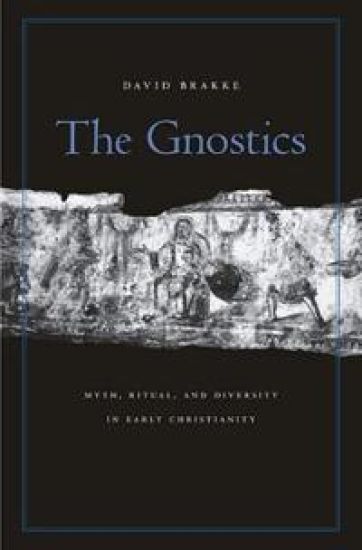
The Gnostics

The Gnostics

David Brakke

Harvard University Press
2012
nidottu
Who were the Gnostics? And how did the Gnostic movement influence the development of Christianity in antiquity? Is it true that the Church rejected Gnosticism? This book offers an illuminating discussion of recent scholarly debates over the concept of “Gnosticism” and the nature of early Christian diversity. Acknowledging that the category “Gnosticism” is flawed and must be reformed, David Brakke argues for a more careful approach to gathering evidence for the ancient Christian movement known as the Gnostic school of thought. He shows how Gnostic myth and ritual addressed basic human concerns about alienation and meaning, offered a message of salvation in Jesus, and provided a way for people to regain knowledge of God, the ultimate source of their being.Rather than depicting the Gnostics as heretics or as the losers in the fight to define Christianity, Brakke argues that the Gnostics participated in an ongoing reinvention of Christianity, in which other Christians not only rejected their ideas but also adapted and transformed them. This book will challenge scholars to think in news ways, but it also provides an accessible introduction to the Gnostics and their fellow early Christians.
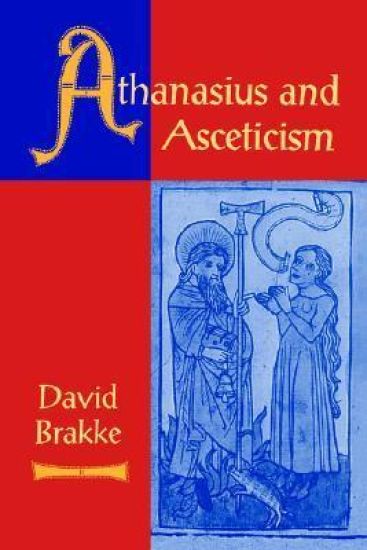
Athanasius and Asceticism

Athanasius and Asceticism

David Brakke

Johns Hopkins University Press
1999
pokkari
It is often assumed that early Christian asceticism drew its followers completely away from worldly concerns into the realm of pure spirituality. But the life and thought of Athanasius, Bishop of Alexandria (AD 328-73), shows just how worldly-and deeply political-ascetic theology could be. David Brakke examines this important church leader's efforts to reconcile asceticism's compelling intensity with the more conventional needs of the families and everyday believers on whom the Church relied for support and stability. Brakke describes how Athanasius joined with other fourth century bishops to create a strongly unified Christian church in Egypt, bringing both the solitary monks of the desert and the female ascetics in the cities under church authority by organizing them into auxiliaries of the emerging local parishes. By carefully integrating ascetic values and practices into a comprehensive vision of the church as a heavenly commonwealth, Brakke argues, Athanasius unified a community of Christians practicing diverse versions of their faith and helped to establish the lines of administrative and pastoral authority that would be essential to the church's future success. This illuminating study of the turmoil of fourth century Christianity also includes the first English translations of many of Athanasius's ascetic and pastoral writings.