Kirjojen hintavertailu. Mukana 11 699 587 kirjaa ja 12 kauppaa.

Kirjahaku

Etsi kirjoja tekijän nimen, kirjan nimen tai ISBN:n perusteella.

5 kirjaa tekijältä David D. Grafton

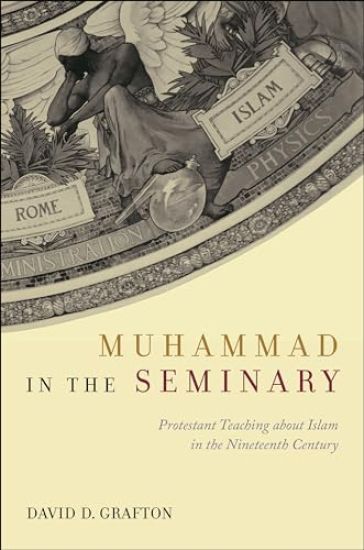
Muhammad in the Seminary

Muhammad in the Seminary

David D. Grafton

NEW YORK UNIVERSITY PRESS
2024
sidottu
Uncovers what Christian seminaries taught about Islam in their formative years Throughout the nineteenth century, Islam appeared regularly in the curricula of American Protestant seminaries. Islam was not only the focus of Christian missions, but was studied as part of the history of the Church as well as in the new field of comparative religions. Moreover, Arabic was taught as a cognate biblical language to help students better understand biblical Hebrew. Passages from the Qur'an were sometimes read as part of language instruction. Christian seminaries were themselves new institutions in the nineteenth century. Though Islam had already been present in the Americas since the beginning of the slave trade, it was only in the nineteenth century that the American public became more aware of Islam and had increasing contact with Muslims. It was during this period that extensive trade with the Ottoman empire emerged and more feasible travel opportunities to the Middle East became available due to the development of the steamship. Providing an in-depth look at the information about Islam that was available in seminaries throughout the nineteenth century, Muhammad in the Seminary examines what Protestant seminaries were teaching about this tradition in the formative years of pastoral education. In charting how American Christian leaders' ideas about Islam were shaped by their seminary experiences, this volume offers new insight into American religious history and the study of Christian-Muslim relations.
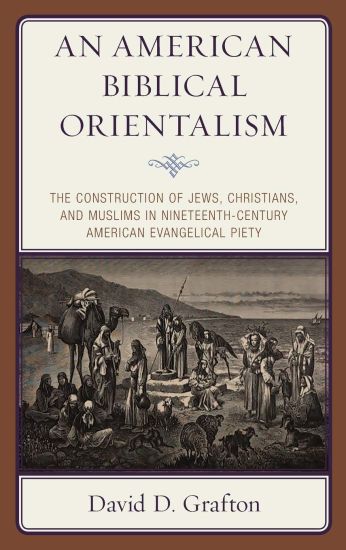
An American Biblical Orientalism

An American Biblical Orientalism

David D. Grafton

Lexington Books/Fortress Academic
2019
sidottu
An American Biblical Orientalism examines the life and work of Eli Smith, William McClure Thomson, and Edward Robinson and their descriptions of the “Bible Lands.” While there has been a great deal written about American travelogues to the Holy Lands, this book focuses on how these three prominent American Protestants described the indigenous peoples, and how those images were consumed by American Christians who had little direct experience with the “Bible Lands.” David D. Grafton argues that their publications (Biblical Researches, Later Biblical Researches, and The Land and the Book) profoundly impacted the way that American Protestants read and interpreted the Bible in the late nineteenth century. The descriptions and images of the people found their way into American Bible Dictionaries, Theological Dictionaries, and academic and religious circles of a growing bible readership in North America. Ultimately, the people of late Ottoman society (e.g. Jews, Christians and Muslims) were essentialized as the living characters of the Bible. These peoples were fit into categories as heroes or villains from biblical stories, and rarely seen as modern people in their own right. Thus, they were “orientalized,” in the words of Edward Said.
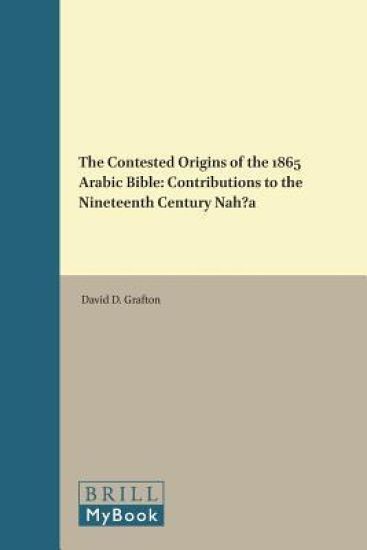
The Contested Origins of the 1865 Arabic Bible
This study examines the history of an Arabic Bible translation of American missionaries in late Ottoman Syria. Comparing the history of this project as recorded by the American missionaries with private correspondence and the manuscripts of the translation, The Contested Origins of the 1865 Arabic Bible provides new evidence for the Bible’s compilation, including the seminal role of Syrian Christians and Muslims. This research also places the project within the wider social-political framework of a transforming Ottoman Empire, where the rise of a literate class in Beirut served as a catalyst for the Arabic literary renaissance (Nah?a), and within the international field of New Testament textual studies.
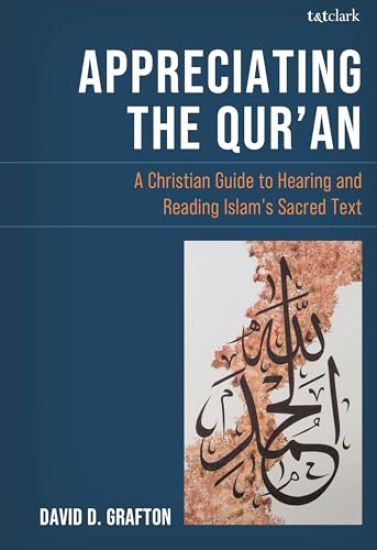
Appreciating the Qur'an

Appreciating the Qur'an

David D. Grafton

BLOOMSBURY PUBLISHING PLC
2026
nidottu
How should people of other faiths approach Islam’s sacred text? For many, it remains unfamiliar, filtered through soundbites, polemics, or narrow assumptions. In this accessible and thought-provoking book, David D. Grafton, Professor of Islamic Studies and Christian-Muslim Relations at Hartford International University, offers a fresh method for engaging with the text Muslims regard as divine revelation. His “appreciative reading” approach encourages readers to encounter the scripture of Islam on its own terms, listen carefully to its message, and use that engagement as an opportunity for deeper self-reflection. Grafton begins with a survey of how the text has been read by outsiders throughout history, noting how inherited assumptions often limit understanding or lead to misinterpretation. He then introduces readers to its distinctive structure and arrangement, so unlike the narrative arc of the Bible, and explores the beauty and complexity of its Arabic style—features that resist perfect translation yet are central to Muslim devotion. Through close readings of key passages, including the opening prayer, the Garden narrative, and depictions of Jesus (‘Isa), Grafton demonstrates how these selections can challenge stereotypes, expand theological horizons, and invite honest dialogue. Along the way, he highlights the parallels between translation issues in Islam’s scripture and those in the Bible, underscoring the value of thoughtful interpretation. With clarity, humility, and a deep respect for both traditions, Grafton provides scholars, clergy, students, and interested readers with the tools to engage Islam’s revelation in a way that fosters understanding rather than division. Complete with a glossary of Arabic terms and recommended resources from Muslim scholars, this book is an indispensable guide for anyone committed to building bridges across religious boundaries.
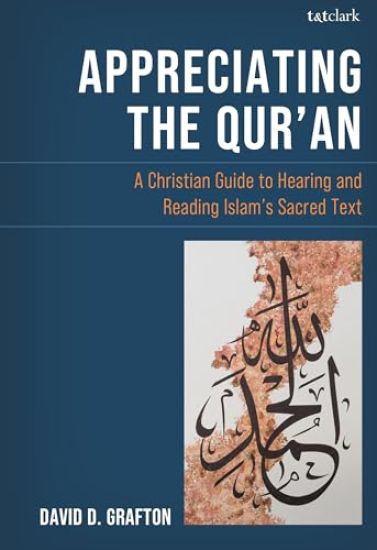
Appreciating the Qur'an

Appreciating the Qur'an

David D. Grafton

BLOOMSBURY PUBLISHING PLC
2026
sidottu
How should people of other faiths approach Islam’s sacred text? For many, it remains unfamiliar, filtered through soundbites, polemics, or narrow assumptions. In this accessible and thought-provoking book, David D. Grafton, Professor of Islamic Studies and Christian-Muslim Relations at Hartford International University, offers a fresh method for engaging with the text Muslims regard as divine revelation. His “appreciative reading” approach encourages readers to encounter the scripture of Islam on its own terms, listen carefully to its message, and use that engagement as an opportunity for deeper self-reflection. Grafton begins with a survey of how the text has been read by outsiders throughout history, noting how inherited assumptions often limit understanding or lead to misinterpretation. He then introduces readers to its distinctive structure and arrangement, so unlike the narrative arc of the Bible, and explores the beauty and complexity of its Arabic style—features that resist perfect translation yet are central to Muslim devotion. Through close readings of key passages, including the opening prayer, the Garden narrative, and depictions of Jesus (‘Isa), Grafton demonstrates how these selections can challenge stereotypes, expand theological horizons, and invite honest dialogue. Along the way, he highlights the parallels between translation issues in Islam’s scripture and those in the Bible, underscoring the value of thoughtful interpretation. With clarity, humility, and a deep respect for both traditions, Grafton provides scholars, clergy, students, and interested readers with the tools to engage Islam’s revelation in a way that fosters understanding rather than division. Complete with a glossary of Arabic terms and recommended resources from Muslim scholars, this book is an indispensable guide for anyone committed to building bridges across religious boundaries.