
Kirjahaku
Etsi kirjoja tekijän nimen, kirjan nimen tai ISBN:n perusteella.
8 kirjaa tekijältä David E Navarro


A masterful work of literary merit in which DE Navarro gives us 27 engaging contemporary poems, an additional 18 Zen poems, and 1 piece of flash fiction that all work together in an amazing way to develop the main theme of taking the best of the rich knowledge of our past, the Timeless Lore, merging it with our present knowledge and then gathering the new seeds of knowledge to sow and plant for future generations. The book also contains a bonus article on Contemporary Poetry, and there is a final surprise bonus at the end of the book sure to spice up your life. DE has been called a word-master who writes with an intelligent poetic flair that demonstrates his symbiotic relationship with the English language and extraordinary ability to deliver powerful themes through words and imagery. This book is no exception. Powerful words from a word-master.
A chapbook of confrontational and persuasive words for critics and naysayers of the Bible to reconsider what they think while also being a great testimony to believers of what God has blessed us with in this life and the assuredness of our blessed Hope of Christ's return. This is not la-la-land poetry but deals with some intense issues regarding the devil, devil spirits, the dead, and the kingdom of darkness - yet it always points to God's solution and our victory in Jesus Christ. Though aggressive at points it is still very accessible and readable poetry that is sure to delight and enthrall those who want to know. Extensive explanatory "behind the scenes" notes are included to further elucidate the poetry and bring it to life. Not only an artistic endeavor, but a learning adventure for the serious Biblical student.

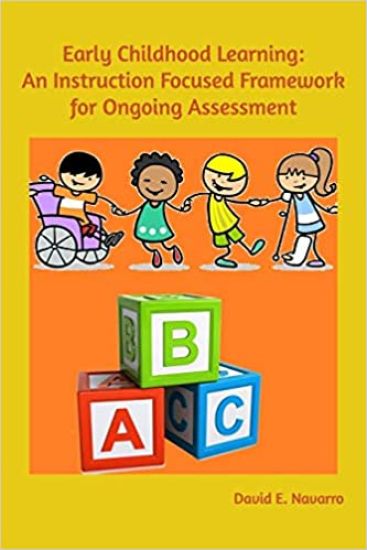
This book provides a simple to use and follow Instruction Focused Framework for ongoing assessment and development of instruction in early childhood learning programs ages birth to five. The purpose is to provide an organized framework for administrators and teachers as they design instruction that closes early learning gaps so every child can reach targeted milestones and be successful in their educational journeys and ultimately, in life. The instruction focused framework is culled from existing literature and documented research and is backed by citations from numerous sources and references. The book also includes five key factors of linking assessment to instruction and provides a simple guideline of an organized way of approaching instruction driven assessment. This book is for all our amazing early childhood learning professionals, administrators, and teachers with the aim of helping in some small way with their monumentally significant work in educating our young ones from birth to age five; and for the parents of these same young ones, especially the interested parents who want to know more about early childhood learning as they raise their children to become the citizens and leaders of tomorrow.

A definitive collection of 194 haiku that brings together a plethora of diverse natural, cultural, and geographical influences from Navarro's life as a wandering poet-philosopher and minister. Navarro draws on a lifetime of learning haiku, beginning at nineteen years old when he discovered its origins in the heart of ancient Chinese poetry (Sensai and H Un); through the quintessential influences of the four great Japanese hokku/haiku masters, Basho, Buson, Issa, and Shiki-but especially the personal pure-land nature haiku of Issa; to the classic core functional elements of kire (the cut or shift) and kigo (seasonal indication), which infuse haiku with the essential elements of zoka, ma, tathata, and toriawase, which he explains in an extensive Foreword describing the nature and essence of good haiku. These elements are the core of Navarro's haiku, but he's also experimented with many modern offshoots and adaptations. So the reader will find everything from traditional English language 5-7-5 haiku, to more modern renditions with fewer syllables, some gendai haiku, semantic disjunctions, and even some senryu. While the underlying essence of his haiku is influenced and inspired by Chinese and Japanese poetry, Navarro's haiku are thoroughly steeped in modern American nature, culture, geography, and tradition. He brings haiku to life in a way that is relatable and accessible to the modern reader while faithfully maintaining the sharp visual nature of the form.