

Kirjahaku
Etsi kirjoja tekijän nimen, kirjan nimen tai ISBN:n perusteella.
7 kirjaa tekijältä David Forrest
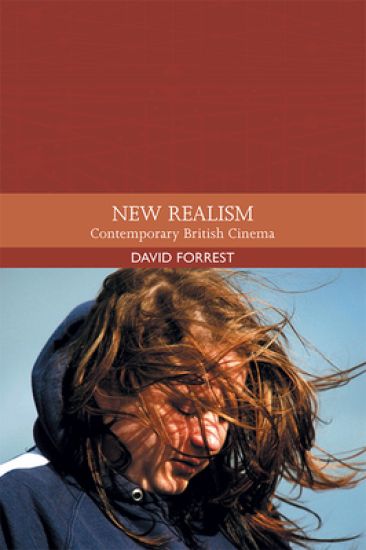
The tradition of British realism has changed dramatically over the last 20 years, where films by directors such as Duane Hopkins, Joanna Hogg, Andrea Arnold, Shane Meadows and Clio Barnard have suggested a markedly poetic turn. This new realism rejects the instrumentalism and didacticism of filmmakers like Ken Loach in favour of lyrical and often ambiguous encounters with place, where the physical processes of lived experience interacts with the rhythms of everyday life. Taking these 5 filmmakers as case studies, this book seeks to explore in depth this new tradition of British cinema and in the process, it reignites debates over realism that have concerned scholars for decades.
Through detailed contextualised analysis of films by five distinctive key contemporary directors Andrea Arnold, Clio Barnard, Joanna Hogg, Duane Hopkins and Shane Meadows Dave Forrest makes a highly persuasive and cogent case for their work constituting a new model of realist filmmaking in 21st century British cinema which is no less politically charged for its poetic and haptic qualities. This insightful book is essential reading for anyone interested in film realism or contemporary British cinema.'Melanie Williams University of East AngliaThe tradition of British realism has changed dramatically over the last 20 years, where films by directors such as Duane Hopkins, Joanna Hogg, Andrea Arnold, Shane Meadows and Clio Barnard have suggested a markedly poetic turn. This new realism rejects the instrumentalism and didacticism of filmmakers like Ken Loach in favour of lyrical and often ambiguous encounters with place, where the physical processes of lived experience interacts with the rhythms of everyday life. Taking these 5 filmmakers as case studies, this book seeks to explore in depth this new tradition of British cinema and in the process, it reignites debates over realism that have concerned scholars for decades.

Examining the work of social justice groups in Minneapolis following the 2008 recession Since the Great Recession, even as protest and rebellion have occurred with growing frequency, many social justice organizers continue to displace as much as empower popular struggles for egalitarian and emancipatory change. In A Voice but No Power, David Forrest explains why this is the case and explores how these organizers might better reach their potential as advocates for the abolition of exploitation, discrimination, and other unjust conditions.Through an in-depth study of post-2008 Minneapolis-a center of progressive activism-Forrest argues that social justice organizers so often fall short of their potential largely because of challenges they face in building what he calls “contentious identities,” the public identities they use to represent their constituents and counteract stigmatizing images such as the “welfare queen” or “the underclass.” In the process of assembling, publicizing, and legitimating contentious identities, he shows, these organizers encounter a series of political hazards, each of which pushes them to make choices that weaken movements for equality and freedom. Forrest demonstrates that organizers can achieve better outcomes, however, by steadily working to remake their hazardous political terrain.The book’s conclusion reflects on the 2020 uprising that followed the police killing of George Floyd, assessing what it means for the future of social justice activism. Ultimately, Forrest’s detailed analysis contributes to leading theories about organizing and social movements and charts possibilities for further emboldening grassroots struggles for a fairer society.
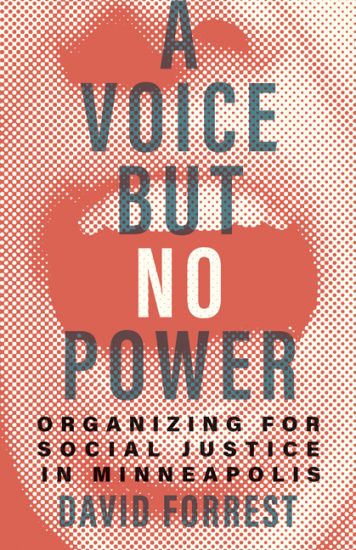
Examining the work of social justice groups in Minneapolis following the 2008 recession Since the Great Recession, even as protest and rebellion have occurred with growing frequency, many social justice organizers continue to displace as much as empower popular struggles for egalitarian and emancipatory change. In A Voice but No Power, David Forrest explains why this is the case and explores how these organizers might better reach their potential as advocates for the abolition of exploitation, discrimination, and other unjust conditions.Through an in-depth study of post-2008 Minneapolis-a center of progressive activism-Forrest argues that social justice organizers so often fall short of their potential largely because of challenges they face in building what he calls “contentious identities,” the public identities they use to represent their constituents and counteract stigmatizing images such as the “welfare queen” or “the underclass.” In the process of assembling, publicizing, and legitimating contentious identities, he shows, these organizers encounter a series of political hazards, each of which pushes them to make choices that weaken movements for equality and freedom. Forrest demonstrates that organizers can achieve better outcomes, however, by steadily working to remake their hazardous political terrain.The book’s conclusion reflects on the 2020 uprising that followed the police killing of George Floyd, assessing what it means for the future of social justice activism. Ultimately, Forrest’s detailed analysis contributes to leading theories about organizing and social movements and charts possibilities for further emboldening grassroots struggles for a fairer society.

Ken Loach's 1969 drama Kes, considered one of the finest examples of British social realism, tells the story of Billy, a working class boy who finds escape and meaning when he takes a fledgling kestrel from its nest.David Forrest’s study of the film examines the genesis of the original novel, Barry Hines’ A Kestrel for a Knave (1968), the eventual collaboration that brought it to the screen, and the film's funding and production processes. He provides an in depth analysis of key scenes and draws on archival sources to shed new light on the film’s most celebrated moments.He goes on to consider the film’s lasting legacy, having influenced films like Ratcatcher (1999) and This is England (2006), both in terms of its contribution to film history and as a document of political and cultural value. He makes a case for the film's renewed relevance in our present era of systemic economic (and regional) inequality, alienated labour, increasingly narrow educational systems, toxic masculinity, and ecological crisis. Kes endures, he argues, because it points towards the possibility for emancipation and fulfilment through a more responsive and nurturing approach to education, a more delicate and symbiotic relationship with landscape and the non-human, and an emotional articulacy and sensitivity shorn of the rigid expectations of gender.
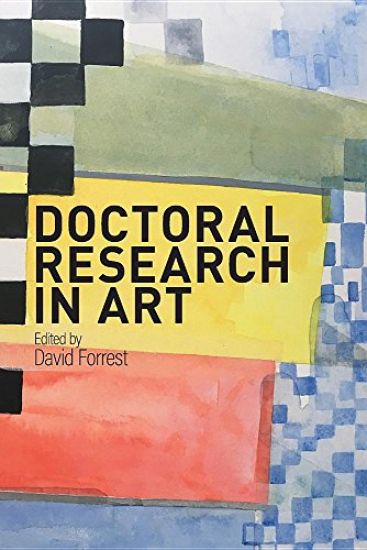
This collection on doctoral research in art complements previous work on undertaking doctoral research in music education and arts education. The contributions are commentaries and reflections by educators who have completed doctoral research in art.