

Kirjahaku
Etsi kirjoja tekijän nimen, kirjan nimen tai ISBN:n perusteella.
22 kirjaa tekijältä David Gillespie, Colin Wakefield
This book explores the phenomenon of violence in Russian culture, showing how violence has been a legitimate articulation of masculinity in Russia, and how popular attitudes towards violence have differed from those in the west, with Russians often approving of violence and of macho, militaristic political leadership. The book examines the nature of violence and masculinity in film, literary fiction and popular television series, and discusses the repercussions of this culture of violence for cultural symbolism, political decision-making, nation-building and international relations. It shows how Putin’s continuing popularity is linked to his projection of himself as a macho leader, and how some media is subversive of these popular and state attitudes, portraying "real men" who turn out to be weak and hollow, as is the ideology underpinning them.
Iurii Trifonov (1925–81) has become well known in the West as a writer of Soviet urban life. This study, first published in 1993, concentrates on his exploration of major events in Russian history (such as the assassination of Tsar Alexander II and the Russian Civil War) and their implications and consequences for his time. David Gillespie traces this interest through all of Trifonov's writings, from his earliest, Stalin prize-winning period to the self-consciously modernist later works, in which Trifonov emphasizes the interconnectedness of human life and history, with the individual as 'the nerve' of history; linking epochs, places, civilizations. Trifonov discerns patterns and analogies in history, and develops a language of hints and allusions with which to combat the repressive censorship of his time.
Iurii Trifonov (1925–81) has become well known in the West as a writer of Soviet urban life. This study, first published in 1993, concentrates on his exploration of major events in Russian history (such as the assassination of Tsar Alexander II and the Russian Civil War) and their implications and consequences for his time. David Gillespie traces this interest through all of Trifonov's writings, from his earliest, Stalin prize-winning period to the self-consciously modernist later works, in which Trifonov emphasizes the interconnectedness of human life and history, with the individual as 'the nerve' of history; linking epochs, places, civilizations. Trifonov discerns patterns and analogies in history, and develops a language of hints and allusions with which to combat the repressive censorship of his time.
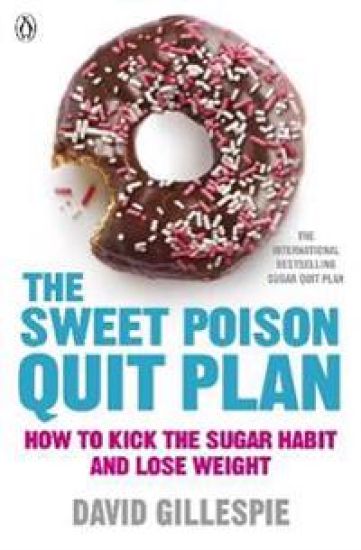
Cure your sweet tooth with The Sweet Poison Quit Plan_________Sugar is addictive and bad for us.We eat 2 pounds of added sugar a week - to counter-balance this keep the weight off you need to run 4.5 miles a day.When David Gillespie cut sugar from his diet he lost 6 stone - and it kept it off. His secret was discovering that we're not designed to consume sugar and that unless we cut it out, any exercising or dieting we do is, ultimately, doomed to failure. His approach is plain and simple: eat what you like, when you like, but don't eat sugar.The Sweet Poison Quit Plan teaches you:· How food manufacturers feed our addiction by adding sugar to non-sweet products· How to remove sugar from your diet and eliminate its lifestyle habits· How to interpret confusing labelling as you shop sugar-free· How to make delicious sugar-free treats, from ice cream to browniesShowing why we're addicted to sugar and packed with clear, easy-to-follow advice on how to break that addiction, David Gillespie's The Sweet Poison Quit Plan is the most straightforward and sustainable guide to losing weight and improving well-being you're ever likely to read. Start now!
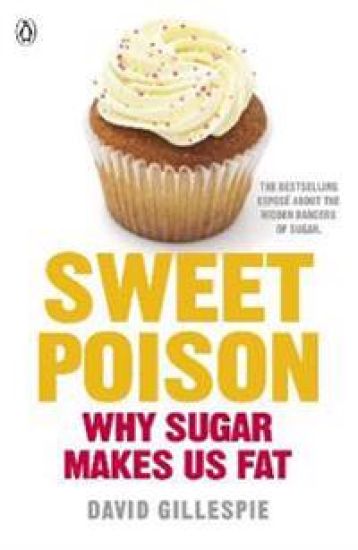
BREAK YOUR ADDICTION TO SUGAR IN 2020 ___________David Gillespie was 6 stone overweight, lethargic and desperate to lose weight fast, but he'd failed every diet out there. Until he cut out sugar. Then he immediately started to lose weight - and kept it off. Now slim and with new reserves of energy, David set out to investigate the connection between sugar, our soaring obesity rates and some of the more worrying diseases of the twenty-first century. He discovered that it's not our fault we're fat: - Sugar was once such a rare resource that we haven't developed an off-switch, and we can keep eating sugar without feeling full.- In the space of 150 years, we have gone from eating no added sugar to more than 2 pounds a week.- Eating that much sugar, you would need to run 4.5 miles every day of your life to not put on weight.- Food manufacturers exploit our sugar addiction by lacing it through 'non-sweet' products like bread, sauces and cereals.In Sweet Poison, David Gillespie exposes one of the great health menaces of our time and offers a wealth of practical information on how to quit sugar.
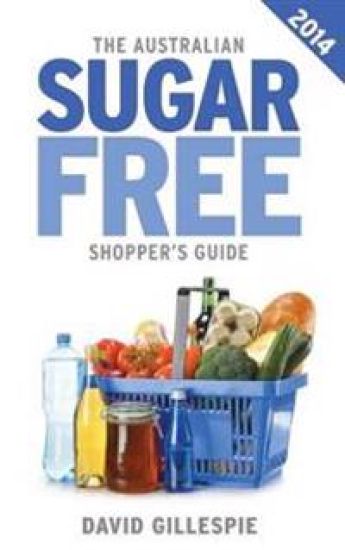
The 2014 Australian Sugar Free Shopper's Guide is the must-have navigator for your local supermarket if you plan to buy anything in a package.This guide contains comprehensive listings of the most commonly purchased categories of packaged food available in Australian stores. Each category has been scoured for brands that have less than 3 grams of sugar per 100 grams.It's a guide that removes all the bad products from the supermarket shelf and makes it easy for you to select simply and quickly from the good ones that are left.But wait. There's more. It also includes a similar analysis of the popular fast food options on offer in most Australian cities.

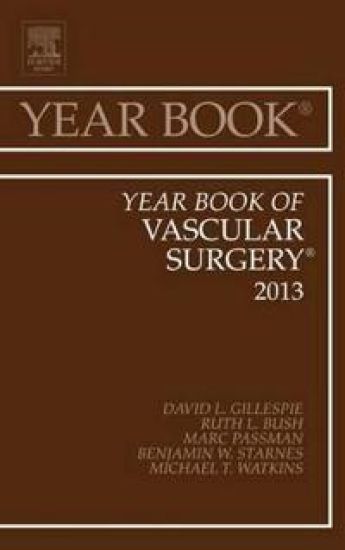
The Year Book of Vascular Surgery brings you abstracts of the articles that reported the year's breakthrough developments in vascular surgery, carefully selected from more than 500 journals worldwide. Expert commentaries evaluate the clinical importance of each article and discuss its application to your practice. There's no faster or easier way to stay informed! Hot topics include: Coronary Disease, Epidemiology, Vascular Laboratory and Imaging, Carotid and Cerebrovascular Disease, and Grafts and Graft Complications.
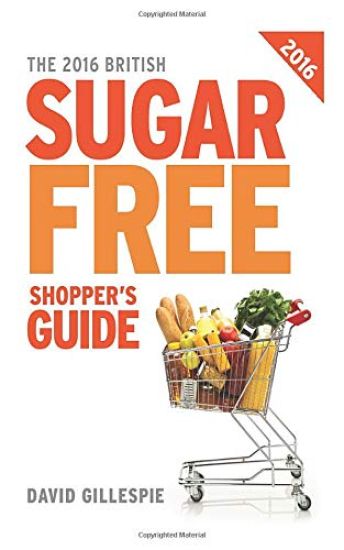
The 2016 British Sugar Free Shopper's Guide
David Gillespie
Createspace Independent Publishing Platform
2015
pokkari
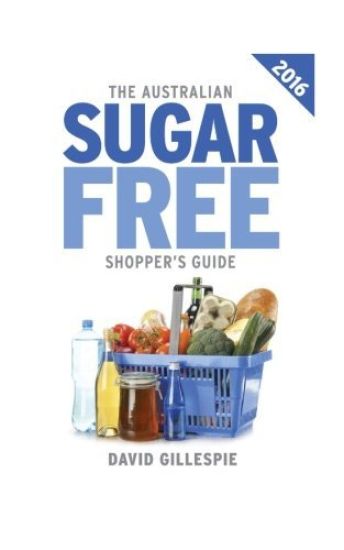
The 2016 Australian Sugar Free Shopper's Guide
David Gillespie
Createspace Independent Publishing Platform
2016
pokkari
- A student's guide to the 20th century Russian novelEight of Russia's most popular and significant novels are presented in this important new guide for students. Works include:- "We" by Evgenii Zamiatin- "Red Cavalry" by Isaak Babel- "Envy" by Iurii Olesha- "How the Steel Was Tempered" by Nikolai Ostrovskii- "The Master and Margarita" by Mikhail Bulgakov- "Doctor Zhivago" by Boris Pasternak- "Cancer Ward" by Alexander Solzhenitsyn- "Pushkin House" by Andrei BitovIn each chapter, David Gillespie examines one novel in detail and explores the career of the author and the critical reception of the work. Throughout, considerable reference is made to recently published scholarship and archival materials to provide students and scholars of Russian and Comparative Literature with a guide to these important Russian authors and their place in the world of literature. The book also includes an extensive bibliography of secondary literature and contains textual references in both the original Russian and in English translation.
Early Soviet Cinema: Innovation, Ideology and Propaganda examines the aesthetics of Soviet cinema during its "golden age" of the 1920s, against a background of cultural ferment and the construction of a new socialist society. Separate chapters are devoted to the work of Sergei Eisenstein, Lev Kuleshov, Vsevolod Pudovkin, Dziga Vertov and Alexander Dovzhenko. Other major directors are also discussed at length. David Gillespie places primary focus on the text, with analysis concentrating on the artistic qualities, rather than the political implications, of each film. The result is not only a discussion of each director's contribution to the "golden age" and to world cinema but also an exploration of their own distinctive poetics. Author Biography: David Gillespie teaches Russian language and culture at the University of Bath, England. He has published widely in the field of modern Russian literature and film.
Big Fat Lies: How the Diet Industry Is Making You Sick, Fat & Poor
David Gillespie
Penguin Australia
2016
nidottu
Diets and exercise won't help us lose weight. Vitamins and minerals are a waste of money and sometimes downright dangerous. Sugar makes us fat and sick. And polyunsaturated fat gives us cancer and works with sugar to give us heart disease. This book exists because I desperately hope that with a little knowledge we can all vote with our feet and change the rules of the game before the game kills us.' For decades we've been told to eat less, exercise more, eat less saturated fat, eat more polyunsaturated oils, and take vitamin and omega-3 fatty acid supplements. For decades this is what we've done, but the rates of obesity, heart disease, type 2 diabetes, dementia and cancer have never been higher. The real culprits, David Gillespie tells us, are sugar and polyunsaturated oils. Analysing the latest scientific evidence, he shows us why and outlines a plan to avoid them both without missing out or 'dieting'. Gillespie exposes the powerful role the multibillion-dollar food, health and diet industries have played in promoting the health messages we follow - or feel guilty about not following. Discovering the truth about diets, exercise, supplements and processed food is your first step towards improved health, greater happiness and a longer life for you and your family.
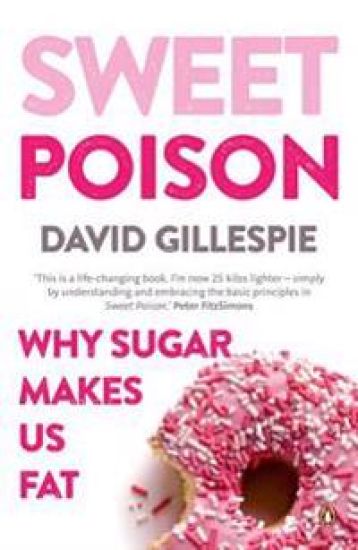
David Gillespie was 40kg overweight, lethargic, sleep-deprived and the father of four, with twins on the way. He knew he needed to lose weight fast, but he had run out of diets - all had failed. After doing some reading on evolution (why weren't our forebears fat?), David cut sugar - specifically fructose - from his diet. He immediately started to lose weight, and kept it off. Slim, trim and fired up, David set out to look at the connection between sugar, our soaring obesity rates and some of the more worrying diseases of the twenty-first century, and discovered some startling facts in the process. Sugar was once such a rare resource that nature decided we didn't need an off-switch - in other words, we can keep eating sugar without feeling full. In the space of 150 years, we have gone from eating no added sugar to more than a kilogram a week. You would need to run 7km every day of your life just to not put on weight as a result of eating that much sugar. Two decades ago 1 in 14 adult Australians were obese; that figure is now 1 in 5. The "natural" sugar in one glass of unsweetened fruit juice per day for a year is enough to add just over 2.5kg your waistline. The more sugar we eat, the more we want. Food manufacturers exploit our sugar addiction by lacing it through "non-sweet" products, such as bread, sauces, soups and cereals. Sweet Poison exposes one of the great health scourges of our time and offers a wealth of practical and accessible information on how to avoid fructose, increase your enjoyment of food and lose weight.
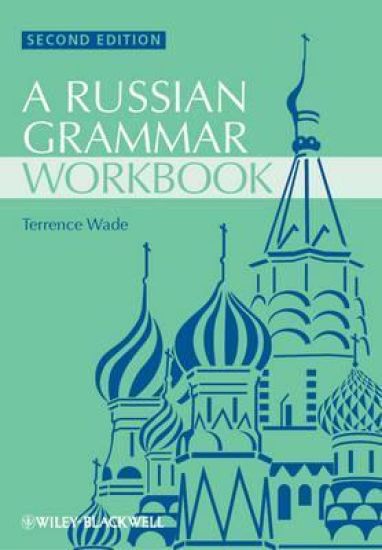
The second edition of A Russian Grammar Workbook provides a rigorous and hands-on approach to Russian grammar for students who are intent on mastering the nuance and complexities of this language. Revised and updated version of the popular and comprehensive workbook offering detailed coverage of all aspects of Russian grammarNew edition reflects changes in Russian lexis and grammar over the past few yearsFeatures over 230 sets of structured exercisesPacked with activities ranging from substitution drills and multiple choice questions, to grammatical quizzes and translation exercisesMay be used independently or in conjunction with Wade’s A Comprehensive Russian Grammar, 3rd edition; a transparent structure links directly to the Grammar for ease of reference between the two volumes