
Kirjahaku
Etsi kirjoja tekijän nimen, kirjan nimen tai ISBN:n perusteella.
4 kirjaa tekijältä David H Aldred
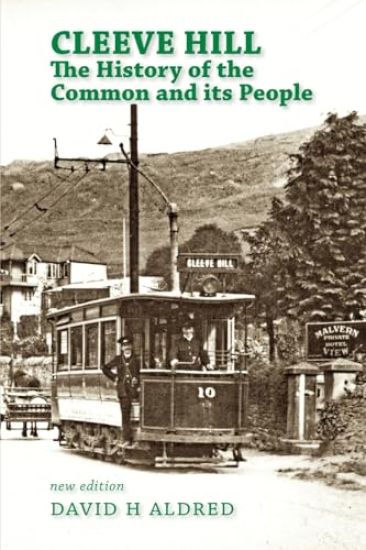
Cleeve Hill in Gloucestershire dominates the Severn Vale as part of the Cotswold scarp and can be seen from fifty miles away. It is the Cotswold's highest point and topped by over 1,000 acres of common land. To the people of Bishop's Cleeve and surrounding villages it forms a backdrop to their lives, cutting off their view to the east. To the people of Winchcombe it creates a challenge on their journeys to Cheltenham and the south. To the people of Cheltenham it stands in the middle distance promising an escape to health-giving fresh air and open space for recreation. It attracts walkers and riders, golfers and climbers, ornithologists and botanists. In this fully revised and expanded edition (first published in 1990), David Aldred expands on the story of how its community and its common developed over 5,000 years from its origins as valuable grazing land for local villagers to its modern recreational use which began with the original Cheltenham races two hundred years ago. Stone from its quarries was used for centuries in buildings throughout the local area and further afield. Profusely illustrated with many illustrations in colour, the book will appeal not only to local people and visitors but also to those with a more general interest in archaeology, social, economic and landscape history.
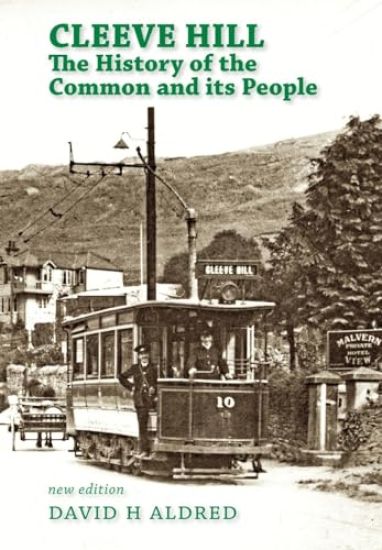
Cleeve Hill in Gloucestershire dominates the Severn Vale as part of the Cotswold scarp and can be seen from fifty miles away. It is the Cotswold's highest point and topped by over 1,000 acres of common land. To the people of Bishop's Cleeve and surrounding villages it forms a backdrop to their lives, cutting off their view to the east. To the people of Winchcombe it creates a challenge on their journeys to Cheltenham and the south. To the people of Cheltenham it stands in the middle distance promising an escape to health-giving fresh air and open space for recreation. It attracts walkers and riders, golfers and climbers, ornithologists and botanists. In this fully revised and expanded edition (first published in 1990), David Aldred expands on the story of how its community and its common developed over 5,000 years from its origins as valuable grazing land for local villagers to its modern recreational use which began with the original Cheltenham races two hundred years ago. Stone from its quarries was used for centuries in buildings throughout the local area and further afield. Profusely illustrated with many illustrations in colour, the book will appeal not only to local people and visitors but also to those with a more general interest in archaeology, social, economic and landscape history.

Anyone who has an interest in the history of this part of the Cotswolds and the adjacent vale will find much to fascinate them within this book. Among its wide-ranging articles you will learn how Bishop's Cleeve and Woodmancote got their names, how the railway came to Broadway twice, how a Cheltenham boy became Australia's national poet, how trams came to Cleeve Hill, how Guiting Power became the centre of an amazing stone industry and how tobacco growing became important in Winchcombe. There are also descriptions of a medieval feast in Prestbury, a royal visit to Sudeley, the early history of Cheltenham races and the impact of the First World War on the area. The book is profusely illustrated with archive and modern illustrations. David Aldred is well known as the author and editor of books and articles on many aspects of the history of North Gloucestershire and the Cotswolds. He also lectures extensively on topics of local history and has a special interest in landscape history.