Kirjojen hintavertailu. Mukana 11 244 527 kirjaa ja 12 kauppaa.

Kirjahaku

Etsi kirjoja tekijän nimen, kirjan nimen tai ISBN:n perusteella.

4 kirjaa tekijältä David H. Benzing

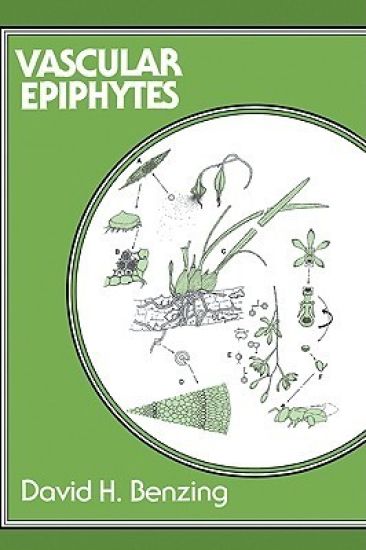
Vascular Epiphytes

Vascular Epiphytes

David H. Benzing

Cambridge University Press
2008
pokkari
Epiphytes (plants which grow on other plants, not parasitically but for support), comprise more than one-third of the total vascular flora in some tropical forests. Growing within tropical forest canopies, epiphytes are subject to severe environmental constraints, and their diverse adaptations make them a rich resource for studies of water balance, nutrition, reproduction and evolution. This book synthesizes the body of information from research on epiphytes and their relations with other tropical biota, and provides a comprehensive overview of basic functions, life history, evolution, and the place of epiphytes in complex tropical communities. Tropical ecologists and zoologists as well as plant scientists will find this volume a useful guide to research on the twenty-five thousand species of epiphytes which root in the crowns of tropical trees.
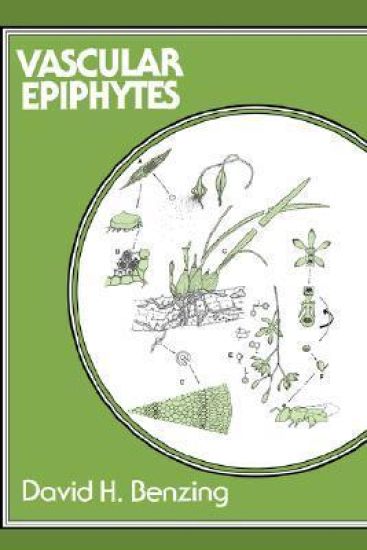
Vascular Epiphytes

Vascular Epiphytes

David H. Benzing

Cambridge University Press
1990
sidottu
Epyphytes (plants wchih grow on other plants, not parasitically, but for support) comprise more than one-third of the total vascular flora in some tropical forests. This book synthesizes the growing body of information from research on epiphytes and their relations with other tropical biota.
Bromeliaceae

Bromeliaceae

David H. Benzing

Cambridge University Press
2000
sidottu
This book presents a synthesis of the extensive information available on the biology of Bromeliacea, a largely neotropical family of about 2700 described species. Reproductive and vegetative structure and related physiology, ecology and evolution are emphasized, rather than floristics and taxonomy. Guiding questions include: why is this family inordinately successful in arboreal (epiphytic) and other typically stressful habitats and also so important to extensive fauna beyond pollinators and frugivores in the forest canopy? Extraordinary and sometimes novel mechanisms that mediate water balance, tolerance for high and low exposures, and mutualisms with ants have received much study and allow interesting comparisons among plant taxa and help explain why members of this taxon exhibit more adaptive and ecological variety than most other families of flowering plants. This volume concentrates on function and underlying mechanisms, thus will round out a literature that otherwise mostly ignores basic biology in favour of taxonomy and horticulture.
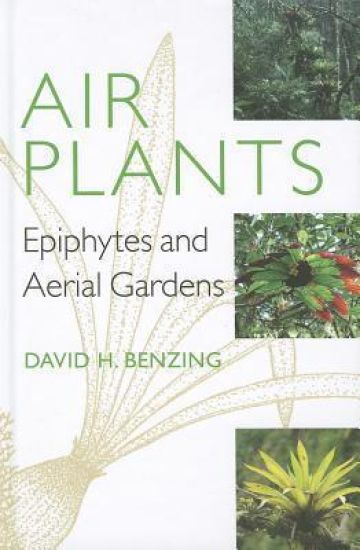
Air Plants

Air Plants

David H. Benzing

Comstock Publishing Associates
2012
sidottu
Often growing far above the ground, "air plants" (or epiphytes) defy many of our common perceptions about plants. The majority use their roots only for attachment in the crowns of larger, usually woody plants—or to objects such as rocks and buildings—and derive moisture and nutrients from the atmosphere and by collecting falling debris. Only the mistletoes are true parasites. Epiphytes are not anomalies and there are approximately 28,000 species—about 10 percent of the higher or vascular plants—that grow this way. Many popular houseplants, including numerous aroids, bromeliads, ferns, and orchids, rank among the most familiar examples. In Air Plants, David H. Benzing takes a reader on a tour of the many taxonomic groups to which the epiphytes belong and explains in nontechnical language the anatomical and physiological adaptations that allow these plants to conserve water, thrive without the benefit of soil, and engage in unusual relationships with animals such as frogs and ants. Benzing's comprehensive account covers topics including ecology, evolution, photosynthesis and water relations, mineral nutrition, reproduction, and the nature of the forest canopy as habitat for the free-living and parasitic epiphytes. It also pays special attention to important phenomena such as adaptive trade-offs and leaf economics. Drawing on the author's deep experience with epiphytes and the latest scientific research, this book is accessible to readers unfamiliar with technical botany; it features a lavish illustration program, references, a glossary, and tables.