Kirjojen hintavertailu. Mukana 12 016 292 kirjaa ja 12 kauppaa.

Kirjahaku

Etsi kirjoja tekijän nimen, kirjan nimen tai ISBN:n perusteella.

3 kirjaa tekijältä David Jury

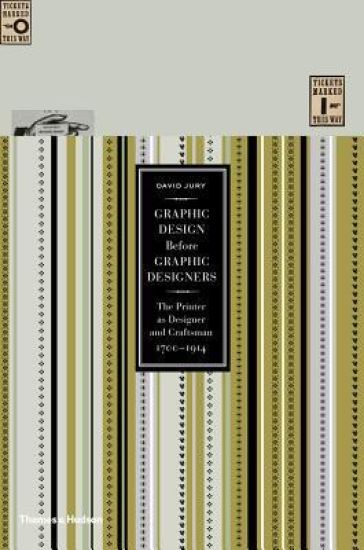
Graphic Design before Graphic Designers

Graphic Design before Graphic Designers

David Jury

Thames Hudson Ltd
2012
sidottu
A rich, visual retelling of history, international in scope, this book charts the evolution of `print’ into `graphic design’ between 1700 and 1914. It is organized into six chapters, each beginning with a short introductory text before immersing the reader in a wealth of delightful and fully captioned examples of printed ephemera – handbills, posters, advertisements, catalogues and labels – that served the demands of the emerging consumer classes of the 18th, 19th and early 20th centuries and reveal the extraordinary skill, craft, design sense and intelligence of those who created them. A book of great appeal, based on comprehensive, original research, it keys into the new appreciation of `craft’ and hand-rendered graphic design.With around 850 illustrations, many specially photographed from private collections, it will be of immense and lasting interest to graphic designers, design and social historians, as well as collectors of print and printed emphemera alike.
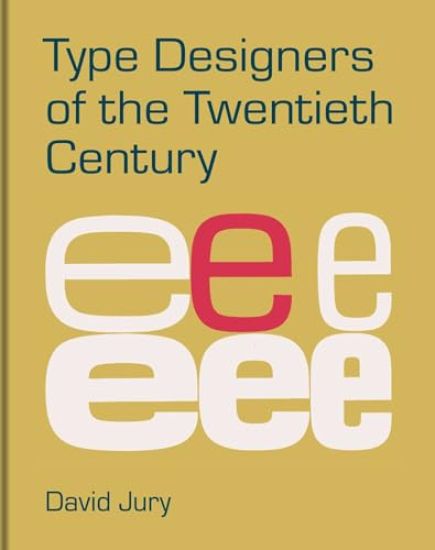
Type Designers of the Twentieth Century

Type Designers of the Twentieth Century

David Jury

BODLEIAN LIBRARY
2025
sidottu
The twentieth century saw many developments in printing technology, which in turn influenced the way typefaces were designed and manufactured. At the start of the century, creating type was limited to a small number of elite artisans capable of hand-cutting each letter out of metal. When the manufacture of type became automated each original letter still had to be drawn by hand albeit now with minor constraints. However, after the Second World War phototypesetting technology caused a radical change in the way type was devised and although its reign was brief it led finally to the new-found freedoms and opportunities of digitization. Alongside this background story of technological evolution, Type Designers of the Twentieth Century describes the achievements (and occasional failures) of thirty-seven key type designers to explore the evolution of the designer, the rise of the advertising agency and the changing function of the printer. The working methods of each designer, the typefaces they designed and their lasting influence are described in detail. Here you will find Frederic Goudy and Edward Johnston, Stanley Morison and Roger Excoffon, Hermann Zapf and Adrian Frutiger, renowned contemporary designers such as Neville Brody and Carol Twombly, and many more. Taken together, the work and working lives of these extraordinary designers chart the radical changes that have taken place in typography during the twentieth century.
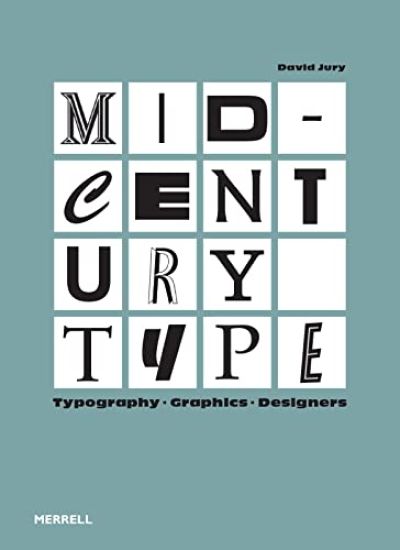
Mid-Century Type

Mid-Century Type

David Jury

MERRELL PUBLISHERS LTD
2023
sidottu
Mid-Century Type is a fascinating visual exploration of how, during the middle decades of the last century, the typographer became an independent, influential contributor to a fast-developing technological world of communications. The years after the Second World War were a time of great economic, social, and cultural change as consumerism erupted across industrialized countries, fuelled by the growth of mass communication. The same period was also one of exceptional creativity, including in the fields of typography and graphic design. During the war, governments came to appreciate the skill of designers in communicating public information effectively. Once the conflict was over, designers were recognized for the first time as having an essential role to play in the rebuilding of economies, infrastructure, and public morale. The typographer, however, was still something of a 'Cinderella': type was crucial to communication in almost any medium, yet typography remained a vague and largely unacknowledged profession. This perception changed dramatically between 1945 and 1965. The range of media expanded, and the influence of time-based media such as television and film was profound, providing information 'as it happens' and transforming the turning of a page into the equivalent of the film editor's cut. 'Speed' was the elixir for growth and prosperity. The specific needs of motorway and airport signage were recognized as requiring the expertise of a typographer. Phototypesetting and offset lithographic printing coalesced to provide full-colour reproduction, which in turn vastly increased the sale of all printed material, but especially books and magazines. All of this drew typographers into what became established as specialist fields of printed and screen media. Finally, the cultural value of the typographer's work could be equated with that of the artist, poet, author, and film director. Mid-Century Type charts this meteoric rise of the typographer and graphic designer (often one and the same person) during the early post-war decades. Each chapter is devoted to a specialist field of design activity in which typography played a significant role, from type design and corporate identity to advertising and film, and television. David Jury's text offers fresh insight into the work of a wide array of British, European, and American typographers and is accompanied by some 350 illustrations, many from the author's own extensive collection.