Kirjojen hintavertailu. Mukana 11 342 296 kirjaa ja 12 kauppaa.

Kirjahaku

Etsi kirjoja tekijän nimen, kirjan nimen tai ISBN:n perusteella.

47 kirjaa tekijältä David Lloyd

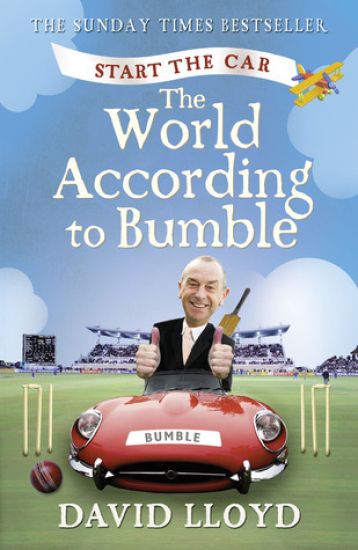
Start the Car

Start the Car

David Lloyd

HarperSport
2011
nidottu
Welcome to the weird and wonderful world of "Bumble", the legendary SkySports cricket commentator who's one ball short of an over and delivers madcap moments galore in this ebullient, endearing and hilarious new book. David "Bumble" Lloyd is a legend in our living rooms, a genuine "good bloke" all cricket fans feel they know inside out because of his infectious, larger-than-life personality and that distinctive Lancashire burr. Bumble has become the one constant for passionate English fans in cricket's rapidly changing landscape. He has earned cult status as a commentator and pundit, with viewers loving his unerring dedication to the game's great fables. The World According to Bumble: Start the Car revels in the quirkier and humorous side of cricket, while offering behind-the-scenes action of Lloyd's years spent following cricket around the globe, from Accrington to Lahore. Bumble waxes lyrical on everything from the genius of Shane Warne to the merits of Lancashire’s premier pies … and the delights of finishing the day with a couple of pints and a curry. Enjoy the camaraderie that exists among the SkySports team – including former England captains Sir Ian Botham, Michael Atherton, Nasser Hussain and David Gower – and laugh out loud at the stories and anecdotes which have forged Bumble's character. Whether he is holding up play to retrieve lost balls from the top of sight-screens, or enacting mock pitch reports from car parks, Bumble is capable of stealing the limelight at all times.
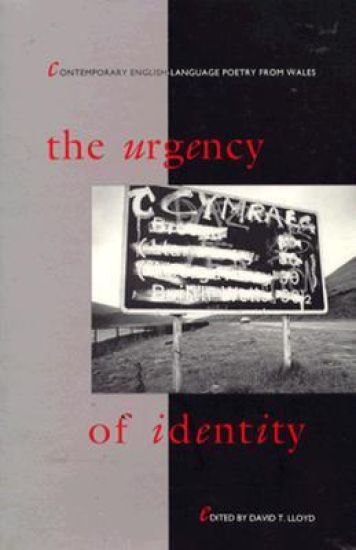
The Urgency of Identity

The Urgency of Identity

David Lloyd

Northwestern University Press
1994
nidottu
This anthology of poems and interviews is a double revelation for readers, presenting the important English-language Welsh poets of the 1980s and 1990s, and illuminating the complexity, constant flux, and political implications of the poet's sense of inherited culture. These poems have been rigorously selected to showcase the Welsh poets' skill and seriousness, and the sensuous density of their language, which, like that of contemporary Irish poets, offers the reader a striking depiction of the landscape and society. The featured poets practise their craft amid a sharp cultural and political debate: although the number of Welsh citizens who do not speak Welsh has grown substantially in recent decades, cultural nationalists view English as the language of oppression whose dominance erodes the richness and depth of local custom and history. Thus, like Latino writers working in English in the US, the English-language Welsh poets create a divided art. Included in the anthology are John Davies, Gillian Clarke, and R.S. Thomas, among others. A collection of fascinating interviews with the poets rounds out this exploration of the Welsh-English cultural divide. David Lloyd has written a lucid introduction that provides the historical background of the cultural debate over language, and alerts the reader to the virtues of each poet.
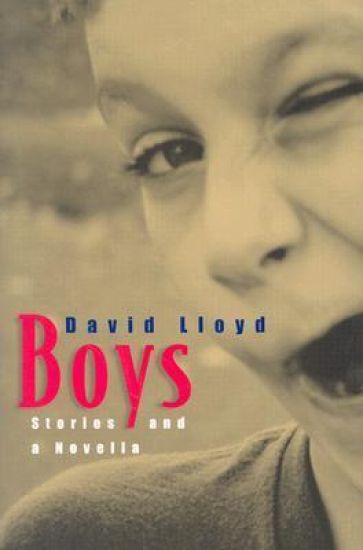
Boys

Boys

David Lloyd

Syracuse University Press
2004
sidottu
The narrator of the novella, Boys, is a thirteen-year-old Chris, a member of a small gang that includes his two friends, Frank and Joey. The novella poignantly charts Chris's involvement with a girl named Lisa, his fascination with a pornographic magazine, the building of a ""boys only"" tree house, his traumatized relationships with Frank and Joey, and the disappearance of his sister Jenny. The twelve stories in On Monday proceed chronologically from a Monday to a Tuesday morning. Each story highlights a different character's experiences with parents, friends, teachers, the expectations of others and the expectations of a culture and an era. Characters and settings present in one story reappear in other stories, building upon and heightening the experiences of all of them. In part, an indictment of how American society shapes and misshapes its children. Boys also celebrates the creativity and wonder that are a part of adolescence.
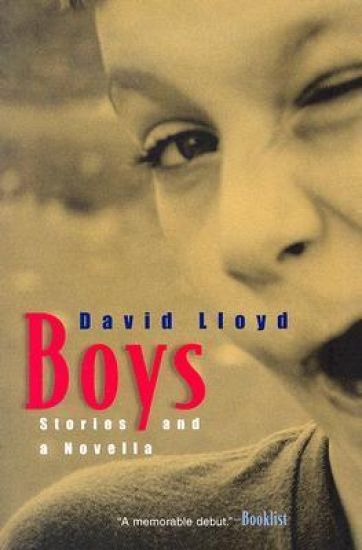
Boys

Boys

David Lloyd

Syracuse University Press
2005
nidottu
Set in 1966, these stories re-create the world of lower-middle-class adolescent boys coming of age in upstate New York.
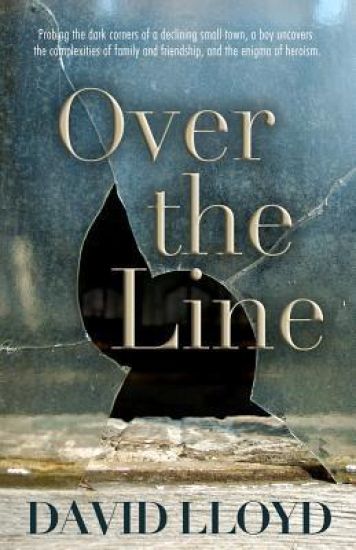
Over the Line

Over the Line

David Lloyd

Syracuse University Press
2013
nidottu
Over the Line is a coming of age tale about a boy's emotional growth and a set of crises that must be addressed and overcome. This novel explores stresses and fractures in contemporary life in a fictional small town in upstate New York.
The Harm Fields

The Harm Fields

David Lloyd

UNIVERSITY OF GEORGIA PRESS
2022
pokkari
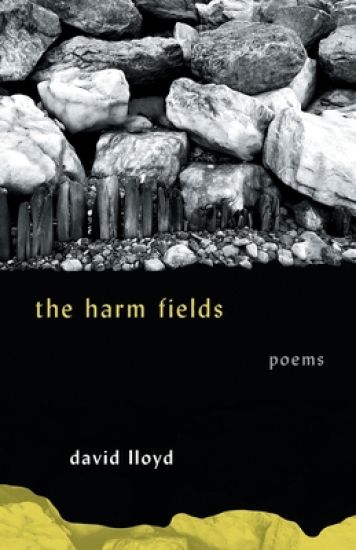
David Lloyd’s poetry abides in a lineage of poetic modernism, often in dialogue with poets like César Vallejo, Paul Celan, and Mahmoud Darwish. The poems in The Harm Fields are rich in imagery, their language a fluent mix of registers, from colloquial idioms to technical language and literary citation, and replete with multilingual puns and portmanteaux. These poems carry forward the musical values and the questioning project of the modernist lyric, but their concerns are contemporary, haunted by the ongoing brutality of the times, from Ireland to Palestine, and reaching for a language adequate to mourning, persistence, and utopian possibility.
Anomalous States

Anomalous States

David Lloyd

Duke University Press
1993
sidottu
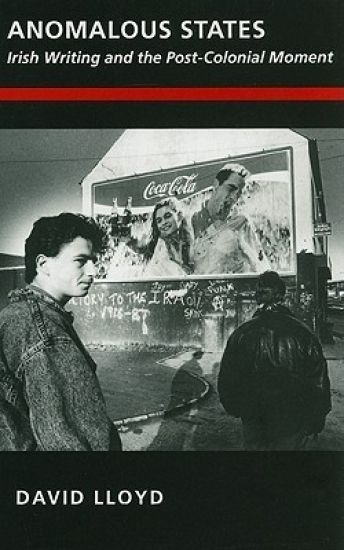
Anomalous States is an archeology of modern Irish writing. David Lloyd commences with recent questioning of Irish identity in the wake of the northern conflict and returns to the complex terrain of nineteenth-century culture in which those questions of identity were first formed. In five linked essays, he explores modern Irish literature and its political contexts through the work of four Irish writers-Heaney, Beckett, Yeats, and Joyce.Beginning with Heaney and Beckett, Lloyd shows how in these authors the question of identity connects with the dominance of conservative cultural nationalism and argues for the need to understand Irish culture in relation to the wider experience of colonized societies. A central essay reads Yeats's later works as a profound questioning of the founding of the state. Final essays examine the gradual formation of the state and nation as one element in a cultural process that involves conflict between popular cultural forms and emerging political economies of nationalism and the colonial state. Modern Ireland is thus seen as the product of a continuing process in which, Lloyd argues, the passage to national independence that defines Ireland's post-colonial status is no more than a moment in its continuing history.Anomalous States makes an important contribution to the growing body of work that connects cultural theory with post-colonial historiography, literary analysis, and issues in contemporary politics. It will interest a wide readership in literary studies, cultural studies, anthropology, and history.
Anomalous States

Anomalous States

David Lloyd

Duke University Press
1993
pokkari
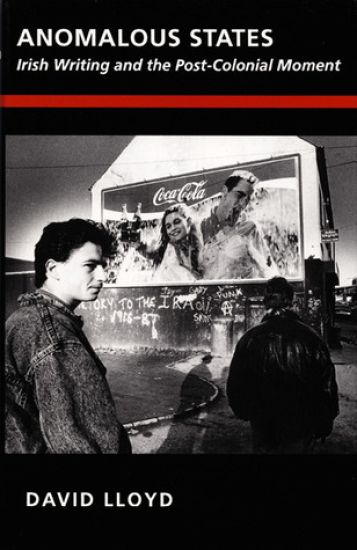
Anomalous States is an archeology of modern Irish writing. David Lloyd commences with recent questioning of Irish identity in the wake of the northern conflict and returns to the complex terrain of nineteenth-century culture in which those questions of identity were first formed. In five linked essays, he explores modern Irish literature and its political contexts through the work of four Irish writers-Heaney, Beckett, Yeats, and Joyce.Beginning with Heaney and Beckett, Lloyd shows how in these authors the question of identity connects with the dominance of conservative cultural nationalism and argues for the need to understand Irish culture in relation to the wider experience of colonized societies. A central essay reads Yeats's later works as a profound questioning of the founding of the state. Final essays examine the gradual formation of the state and nation as one element in a cultural process that involves conflict between popular cultural forms and emerging political economies of nationalism and the colonial state. Modern Ireland is thus seen as the product of a continuing process in which, Lloyd argues, the passage to national independence that defines Ireland's post-colonial status is no more than a moment in its continuing history.Anomalous States makes an important contribution to the growing body of work that connects cultural theory with post-colonial historiography, literary analysis, and issues in contemporary politics. It will interest a wide readership in literary studies, cultural studies, anthropology, and history.
Under Representation

Under Representation

David Lloyd

Fordham University Press
2018
pokkari
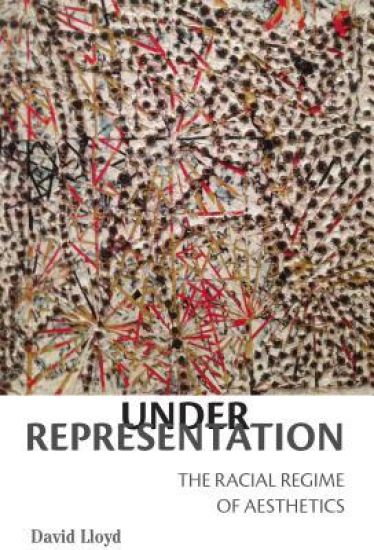
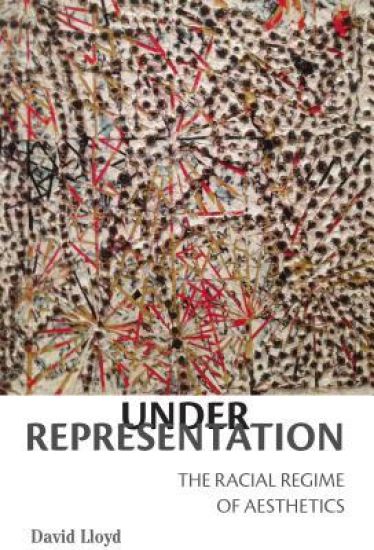
Under Representation shows how the founding texts of aesthetic philosophy ground the racial order of the modern world in our concepts of universality, freedom, and humanity. In taking on the relation of aesthetics to race, Lloyd challenges the absence of sustained thought about race in postcolonial studies, as well as the lack of sustained attention to aesthetics in critical race theory. Late Enlightenment discourse on aesthetic experience proposes a decisive account of the conditions of possibility for universal human subjecthood. The aesthetic forges a powerful "racial regime of representation" whose genealogy runs from enlightenment thinkers like Kant and Schiller to late modernist critics like Adorno and Benjamin. For aesthetic philosophy, representation is not just about depiction of diverse humans or inclusion in political or cultural institutions. It is an activity that undergirds the various spheres of human practice and theory, from the most fundamental acts of perception and reflection to the relation of the subject to the political, the economic, and the social. Representation regulates the distribution of racial identifications along a developmental trajectory: The racialized remain "under representation," on the threshold of humanity and not yet capable of freedom and civility as aesthetic thought defines those attributes. To ignore the aesthetic is thus to overlook its continuing force in the formation of the racial and political structures down to the present. Across five chapters, Under Representation investigates the aesthetic foundations of modern political subjectivity; race and the sublime; the logic of assimilation and the stereotype; the subaltern critique of representation; and the place of magic and the primitive in modernist concepts of art, aura and representation. Both a genealogy and an account of our present, Under Representation ultimately helps show how a political reading of aesthetics can help us build a racial politics adequate for the problems we face today, one that stakes claims more radical than multicultural demands for representation.
Under Representation

Under Representation

David Lloyd

FORDHAM UNIVERSITY PRESS
2018
sidottu
Under Representation shows how the founding texts of aesthetic philosophy ground the racial order of the modern world in our concepts of universality, freedom, and humanity. In taking on the relation of aesthetics to race, Lloyd challenges the absence of sustained thought about race in postcolonial studies, as well as the lack of sustained attention to aesthetics in critical race theory. Late Enlightenment discourse on aesthetic experience proposes a decisive account of the conditions of possibility for universal human subjecthood. The aesthetic forges a powerful "racial regime of representation" whose genealogy runs from enlightenment thinkers like Kant and Schiller to late modernist critics like Adorno and Benjamin. For aesthetic philosophy, representation is not just about depiction of diverse humans or inclusion in political or cultural institutions. It is an activity that undergirds the various spheres of human practice and theory, from the most fundamental acts of perception and reflection to the relation of the subject to the political, the economic, and the social. Representation regulates the distribution of racial identifications along a developmental trajectory: The racialized remain "under representation," on the threshold of humanity and not yet capable of freedom and civility as aesthetic thought defines those attributes. To ignore the aesthetic is thus to overlook its continuing force in the formation of the racial and political structures down to the present. Across five chapters, Under Representation investigates the aesthetic foundations of modern political subjectivity; race and the sublime; the logic of assimilation and the stereotype; the subaltern critique of representation; and the place of magic and the primitive in modernist concepts of art, aura and representation. Both a genealogy and an account of our present, Under Representation ultimately helps show how a political reading of aesthetics can help us build a racial politics adequate for the problems we face today, one that stakes claims more radical than multicultural demands for representation.
The Gospel According to Frank

The Gospel According to Frank

David Lloyd

New American Press
2009
nidottu
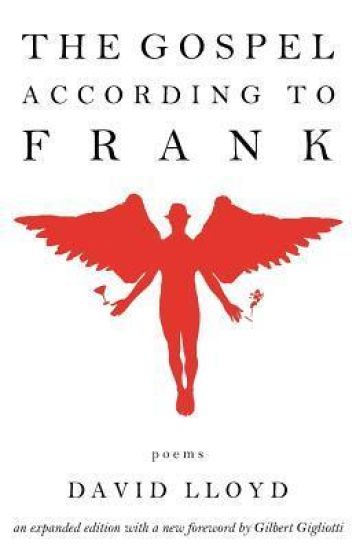
Merging elements of Frank Sinatra's public persona with Biblical and mythological representations of divinity, the poems in The Gospel According to Frank weave an engaging and complex gospel narrating the life of an American icon. With wit and power, this sequence uses (and misuses) styles and forms from Greek mythology, the eighth-century Irish epic Tain Bo Cuailnge, the Welsh medieval tales of The Mabinogi, and the Old and New Testaments to construct a fresh portrait of The Chairman and the cosmos he still occupies.
Gulf Coast City

Gulf Coast City

David Lloyd

Lloyd Lloyd, Inc
2017
nidottu
After witnessing a brutal attack on his sister, aspiring young pastor Jacob Carmichael is troubled by why there is so much evil in the world. His journey of self-discovery takes him out of the comfort of his small town in South Carolina, to Gulf Coast City, Florida. Rather than a safe place to begin a new life, Gulf Coast City proves to be a town steeped in human trafficking, greed and vice. Jacob is swept up into an underworld of depravity he hadn't known existed. As he becomes acquainted with criminals and their victims, his first instinct is to rescue those who are being destroyed. But first, he needs to come to terms with his own desires, sobriety and crumbling faith. When beautiful Karina from Belarus arrives, Jacob's life becomes hopelessly complicated. Just when he realizes he's fallen in love with her, she becomes the prey of the human traffickers who are destroying so many lives. Will Jacob be able to find the courage necessary to take a stand against them? And if he does will it be in time to save Karina?
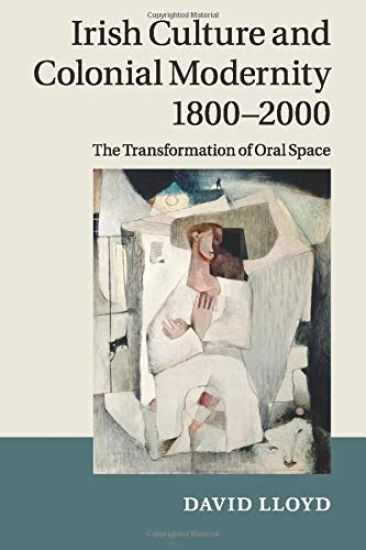
Irish Culture and Colonial Modernity 1800–2000

Irish Culture and Colonial Modernity 1800–2000

David Lloyd

Cambridge University Press
2011
sidottu
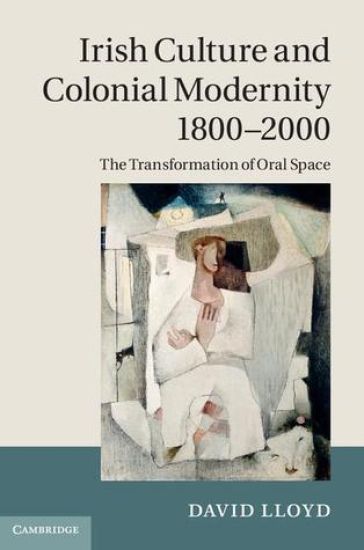
From the Famine to political hunger strikes, from telling tales in the pub to Beckett's tortured utterances, the performance of Irish identity has always been deeply connected to the oral. Exploring how colonial modernity transformed the spaces that sustained Ireland's oral culture, this book explains why Irish culture has been both so creative and so resistant to modernization. David Lloyd brings together manifestations of oral culture in the nineteenth and twentieth centuries, showing how the survival of orality was central both to resistance against colonial rule and to Ireland's modern definition as a postcolonial culture. Specific to Ireland as these histories are, they resonate with postcolonial cultures globally. This study is an important and provocative new interpretation of Irish national culture and how it came into being.
Irish Culture and Colonial Modernity 1800–2000

Irish Culture and Colonial Modernity 1800–2000

David Lloyd

Cambridge University Press
2017
pokkari
From the Famine to political hunger strikes, from telling tales in the pub to Beckett's tortured utterances, the performance of Irish identity has always been deeply connected to the oral. Exploring how colonial modernity transformed the spaces that sustained Ireland's oral culture, this book explains why Irish culture has been both so creative and so resistant to modernization. David Lloyd brings together manifestations of oral culture in the nineteenth and twentieth centuries, showing how the survival of orality was central both to resistance against colonial rule and to Ireland's modern definition as a postcolonial culture. Specific to Ireland as these histories are, they resonate with postcolonial cultures globally. This study is an important and provocative new interpretation of Irish national culture and how it came into being.