Kirjojen hintavertailu. Mukana 12 016 292 kirjaa ja 12 kauppaa.

Kirjahaku

Etsi kirjoja tekijän nimen, kirjan nimen tai ISBN:n perusteella.

4 kirjaa tekijältä David M. Johnson

Xenophon’s Socratic Works

Xenophon’s Socratic Works

David M. Johnson

Routledge
2021
sidottu
Xenophon’s Socratic Works demonstrates that Xenophon, a student of Socrates, military man, and man of letters, is an indispensable source for our understanding of the life and philosophy of Socrates. David M. Johnson restores Xenophon’s most ambitious Socratic work, the Memorabilia (Socratic Recollections), to its original literary context, enabling readers to experience it as Xenophon’s original audience would have, rather than as a pale imitation of Platonic dialogue. He shows that the Memorabilia, together with Xenophon’s Apology, provides us with our best evidence for the trial of Socrates, and a comprehensive and convincing refutation of the historical charges against Socrates. Johnson’s account of Socrates’ moral psychology shows how Xenophon’s emphasis on control of the passions can be reconciled with the intellectualism normally attributed to Socrates. Chapters on Xenophon’s Symposium and Oeconomicus (Estate Manager) reveal how Xenophon used all the literary tools of Socratic dialogue to defend Socratic sexual morality (Symposium) and debate the merits and limits of conventional elite values (Oeconomicus). Throughout the book, Johnson argues that Xenophon’s portrait of Socrates is rich and coherent, and largely compatible with the better-known portrait of Socrates in Plato. Xenophon aimed not to provide a rival portrait of Socrates, Johnson shows, but to supplement and clarify what others had said about Socrates. Xenophon’s Socratic Works, thus, provides readers with a far firmer basis for reconstruction of the trial of Socrates, a key moment in the history of Athenian democracy, and for our understanding of Socrates’ seminal impact on Greek philosophy. This volume introduces Xenophon’s Socratic works to a wide range of readers, from undergraduate students encountering Socrates or ancient philosophy for the first time to scholars with interests in Socrates or ancient philosophy more broadly. It is also an important resource for readers interested in Socratic dialogue as a literary form, the trial of Socrates, Greek sexual morality (the central topic of Xenophon’s Symposium), or Greek social history (for which the Oeconomicus is a key text).
Xenophon’s Socratic Works

Xenophon’s Socratic Works

David M. Johnson

TAYLOR FRANCIS LTD
2023
nidottu
Xenophon’s Socratic Works demonstrates that Xenophon, a student of Socrates, military man, and man of letters, is an indispensable source for our understanding of the life and philosophy of Socrates. David M. Johnson restores Xenophon’s most ambitious Socratic work, the Memorabilia (Socratic Recollections), to its original literary context, enabling readers to experience it as Xenophon’s original audience would have, rather than as a pale imitation of Platonic dialogue. He shows that the Memorabilia, together with Xenophon’s Apology, provides us with our best evidence for the trial of Socrates, and a comprehensive and convincing refutation of the historical charges against Socrates. Johnson’s account of Socrates’ moral psychology shows how Xenophon’s emphasis on control of the passions can be reconciled with the intellectualism normally attributed to Socrates. Chapters on Xenophon’s Symposium and Oeconomicus (Estate Manager) reveal how Xenophon used all the literary tools of Socratic dialogue to defend Socratic sexual morality (Symposium) and debate the merits and limits of conventional elite values (Oeconomicus). Throughout the book, Johnson argues that Xenophon’s portrait of Socrates is rich and coherent, and largely compatible with the better-known portrait of Socrates in Plato. Xenophon aimed not to provide a rival portrait of Socrates, Johnson shows, but to supplement and clarify what others had said about Socrates. Xenophon’s Socratic Works, thus, provides readers with a far firmer basis for reconstruction of the trial of Socrates, a key moment in the history of Athenian democracy, and for our understanding of Socrates’ seminal impact on Greek philosophy. This volume introduces Xenophon’s Socratic works to a wide range of readers, from undergraduate students encountering Socrates or ancient philosophy for the first time to scholars with interests in Socrates or ancient philosophy more broadly. It is also an important resource for readers interested in Socratic dialogue as a literary form, the trial of Socrates, Greek sexual morality (the central topic of Xenophon’s Symposium), or Greek social history (for which the Oeconomicus is a key text).
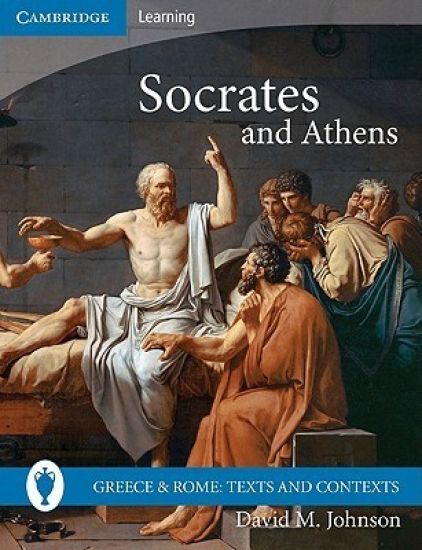
Socrates and Athens

Socrates and Athens

David M. Johnson

Cambridge University Press
2011
pokkari
An exciting series that provides students with direct access to the ancient world by offering new translations of extracts from its key texts. Socrates is one of the ancient Greeks that everyone has heard of. He is responsible, more than any other individual, for adding a new urgency and vigour to the fundamental questions we ask about our own lives. Socrates, it turns out, was always rather mysterious, and intentionally so. He was more interested in making people think than in telling them what to think. Part of the Greece and Rome: Texts and Contexts series, this book helps readers to discover the original Socrates.
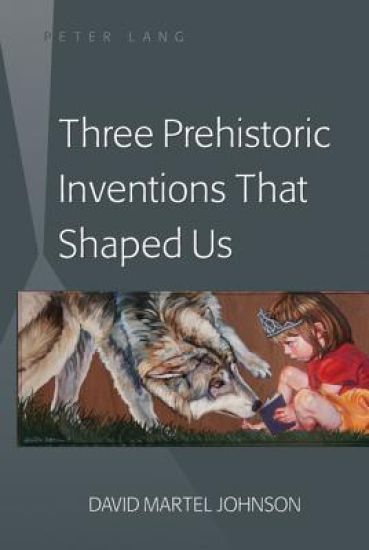
Three Prehistoric Inventions That Shaped Us

Three Prehistoric Inventions That Shaped Us

David M. Johnson

Peter Lang Publishing Inc
2011
sidottu
Both Darwin and neo-Darwinist theorists like Stephen Jay Gould were wrong to suppose that human nature and the human mind arose out of biological and historical sources alone. Three Prehistoric Inventions That Shaped Us argues that humans are very different from other animals in certain respects and, because of those respects, some of the most important sources of the particular sort of human nature we possess at the present moment, and of the special types of thinking in which we now are able to engage, were cultural ones. To be more specific, it shows that our present-day human nature was shaped in fundamental ways by at least three intellectual inventions that some of our prehistoric ancestors made – namely, the inventions of religious consciousness, of domestication of animals, and of syntactically organized language.