Kirjojen hintavertailu. Mukana 12 390 323 kirjaa ja 12 kauppaa.

Kirjahaku

Etsi kirjoja tekijän nimen, kirjan nimen tai ISBN:n perusteella.

9 kirjaa tekijältä David Omand, Mark Phythian

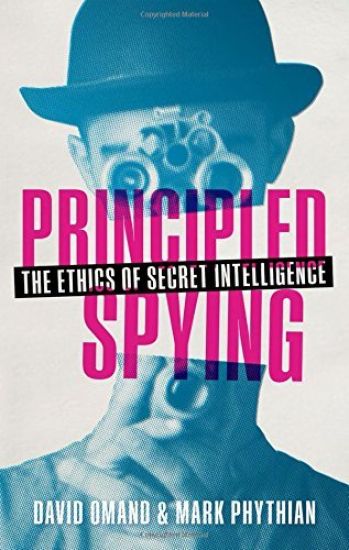
Principled Spying

Principled Spying

David Omand; Mark Phythian

Oxford University Press
2018
sidottu
The question of how far a state should authorise its agents to go in seeking and using secret intelligence is one of the big unresolved issues of public policy for democracies today. The tension between security and privacy sits at the heart of broader debates concerning the relationship between the citizen and the state. The public needs-and wants-protection from the very serious threats posed by domestic and international terrorism, from serious criminality, to be safe in using cyberspace, and to have active foreign and aid policies to help resolve outstanding international problems. Secret intelligence is widely accepted to be essential to these tasks, and to be a legitimate function of the nation state, yet the historical record is that it also can pose significant ethical risks. Principled Spying lays out a framework for thinking about public policy in this area by clarifying the relationship between ethics and intelligence, both human and technical. In this book, intelligence expert Mark Phythian teams up with the former head of Britain's GCHQ signals and intelligence agency to try to resolve the knotty question of secret intelligence-and how far it should be allowed to go in a democratic society.

Principled Spying

Principled Spying

David Omand; Mark Phythian; David Omand

Georgetown University Press
2018
sidottu
Intelligence agencies provide critical information to national security and foreign policy decision makers, but spying also poses inherent dilemmas for liberty, privacy, human rights, and diplomacy. Principled Spying explores how to strike a balance between necessary intelligence activities and protecting democratic values by developing a new framework of ethics.David Omand and Mark Phythian structure this book as an engaging debate between a former national security practitioner and an intelligence scholar. Rather than simply presenting their positions, throughout the book they pose key questions to each other and to the reader and offer contrasting perspectives to stimulate further discussion. They demonstrate the value for both practitioners and the public of weighing the dilemmas of secret intelligence through ethics. The chapters in the book cover key areas including human intelligence, surveillance, acting on intelligence, and oversight and accountability. The authors disagree on some key questions, but in the course of their debate they demonstrate that it is possible to find a balance between liberty and security. This book is accessible reading for concerned citizens, but it also delivers the sophisticated insights of a high-ranking former practitioner and a distinguished scholar.
Securing the State

Securing the State

David Omand

Oxford University Press
2014
nidottu
Governments recognise that national security in the turbulent conditions of the early twenty-first century must centre on the creation of public confidence that normal life can continue even in the face of threats such as terrorism and proliferation, and of natural hazards such as pandemics and climate change. Based on his own experience in government, David Omand argues that while public security is vital for good government, the effects of bad government will result from failure to maintain the right relationship between justice, liberty, privacy, civic harmony and security measures. His book examines in detail how secret intelligence helps governments to deliver security, but also risks raising public concern over its methods. A set of ethical principles is proposed to guide intelligence and security work within the framework of human rights. Securing the State provides a new way of thinking about the cycle of activities that generates secret intelligence, examines the issues that arise from the way that modern intelligence uses technology to access new sources of information, and discusses how the meaning of intelligence can best be elucidated. The limits of intelligence in enabling greater security are explored, especially in guiding government in a world in which we must learn not to be surprised by surprise. Illustrated throughout by historical examples, David Omand provides new perspectives for practitioners and those teaching security and intelligence studies and for a wider readership offers an accessible introduction to pressing issues of public policy.
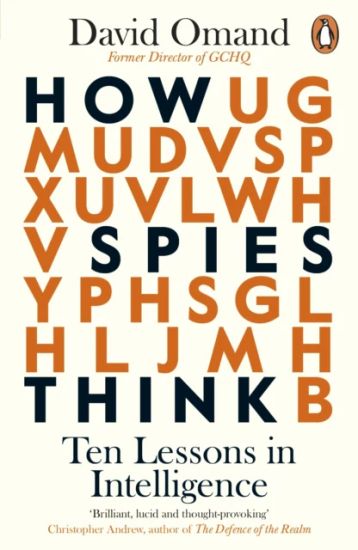
How Spies Think

How Spies Think

David Omand

Penguin Books Ltd
2021
pokkari
WINNER OF THE NEAVE BOOK PRIZE 2022LONGLISTED FOR THE ORWELL PRIZE FOR POLITICAL WRITING 2021'One of the best books ever written about intelligence analysis and its long-term lessons' Christopher Andrew, author of The Defence of the Realm: The Authorized History of MI5'An invaluable guide to avoiding self-deception and fake news' Melanie Phillips, The TimesFrom the former director of GCHQ, Professor Sir David Omand, learn the methodology used by British intelligence agencies to reach judgements, establish the right level of confidence and act decisively. Full of revealing examples from a storied career, including key briefings with Prime Ministers and strategies used in conflicts from the Cold War to the present, in How Spies Think Professor Omand arms us with the tools to sort fact from fiction, and shows us how to use real intelligence every day.
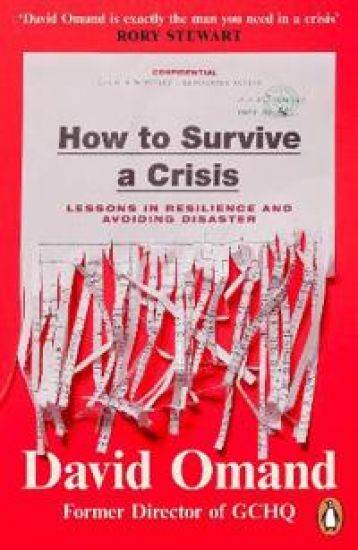
How to Survive a Crisis

How to Survive a Crisis

David Omand

PENGUIN BOOKS LTD
2023
sidottu
'David Omand is exactly the man you need in a crisis' RORY STEWART From the former Director of GCHQ comes a guide to surviving crises using the latest intelligence strategiesWar, terrorism, cyberattack, climate change, the threat of AI: it has never been more important to be prepared for the crises that await us.In How to Survive a Crisis, Professor Sir David Omand draws on his experience in defence, security and intelligence, including as Director of GCHQ and UK Security and Intelligence Coordinator, to show how you can detect a looming crisis and extinguish it (or at least survive it with minimum loss).Using gripping real-world examples from Omand's storied career, and drawing lessons from historic catastrophes such as Chernobyl, 9/11, the Deepwater Horizon oil spill and the WannaCry ransomware cyberattack, this empowering book is filled with practical advice on how to survive the multiplying crises of the future. Not every crisis need tip into disaster, if we have invested in we are prepared for it.'This book is the instruction manual we all need' SIR ALEX YOUNGER, CHIEF OF MI6
How to Survive a Crisis

How to Survive a Crisis

David Omand

PENGUIN BOOKS LTD
2024
pokkari
'David Omand is exactly the man you need in a crisis' RORY STEWART From the former Director of GCHQ comes a guide to surviving crises using the latest intelligence strategiesWar, terrorism, cyberattack, climate change, the threat of AI: it has never been more important to be prepared for the crises that await us.In How to Survive a Crisis, Professor Sir David Omand draws on his experience in defence, security and intelligence, including as Director of GCHQ and UK Security and Intelligence Coordinator, to show how you can detect a looming crisis and extinguish it (or at least survive it with minimum loss).Using gripping real-world examples from Omand's storied career, and drawing lessons from historic catastrophes such as Chernobyl, 9/11, the Deepwater Horizon oil spill and the WannaCry ransomware cyberattack, this empowering book is filled with practical advice on how to survive the multiplying crises of the future. Not every crisis need tip into disaster, if we have invested in we are prepared for it.'This book is the instruction manual we all need' SIR ALEX YOUNGER, CHIEF OF MI6UPDATED WITH A NEW FOREWORD
Securing the State

Securing the State

David Omand

C Hurst Co Publishers Ltd
2011
nidottu
Governments recognise that national security in the turbulent conditions of the early twenty-first century must centre on the creation of public confidence that normal life can continue even in the face of threats such as terrorism and proliferation, and of natural hazards such as pandemics and climate change. Based on his own experience in government, David Omand argues that while public security is vital for good government, the effects of bad government will result from failure to maintain the right relationship between justice, liberty, privacy, civic harmony and security measures. His book examines in detail how secret intelligence helps governments to deliver security, but also risks raising public concern over its methods. A set of ethical principles is proposed to guide intelligence and security work within the framework of human rights. Securing the State provides a new way of thinking about the cycle of activities that generates secret intelligence, examines the issues that arise from the way that modern intelligence uses technology to access new sources of information, and discusses how the meaning of intelligence can best be elucidated. The limits of intelligence in enabling greater security are explored, especially in guiding government in a world in which we must learn not to be surprised by surprise. Illustrated throughout by historical examples, David Omand provides new perspectives for practitioners and those teaching security and intelligence studies and for a wider readership offers an accessible introduction to pressing issues of public policy.
Pritselnoe myshlenie: Prinjatie reshenij po metodikam britanskikh spetssluzhb
Iz etoj knigi vy ne uznaete, kak raskapyvat grjaznye tajny diktatorov, lovit torgovtsev oruzhiem ili perevozit cherez granitsu sekretnye donesenija. Devid Omand, v proshlom vysokopostavlennyj sotrudnik britanskoj spetssluzhby, rasskazyvaet o glavnom navyke razvedchika - prinimat vernye reshenija na osnovanii ogranichennoj, nepolnoj, a inogda i prosto nedostovernoj informatsii. Iz ego knigi vy uznaete, chto delat, kogda u vas net vremeni proverit fakty, kak nauchitsja ne poddavatsja panike, ne vpadat v stupor, verno otsenivat riski, ignorirovat teorii zagovora i vyvodit na chistuju vodu lzhetsov i manipuljatorov. V osnove avtorskogo metoda raboty s informatsiej - mnogoletnij opyt razvedchikov i analitikov raznykh stran, ottochennyj vo vremja takikh sobytij, kak vojna na Folklendakh ili Karibskij krizis. Otdelnye glavy knigi posvjascheny vedeniju peregovorov i ustanovleniju doveritelnykh otnoshenij v razlichnykh obstojatelstvakh.
Pritselnoe myshlenie: Prinjatie reshenij po metodikam britanskikh spetssluzhb
Iz etoj knigi vy ne uznaete, kak raskapyvat grjaznye tajny diktatorov, lovit torgovtsev oruzhiem ili perevozit cherez granitsu sekretnye donesenija. Devid Omand, v proshlom vysokopostavlennyj sotrudnik britanskoj spetssluzhby, rasskazyvaet o glavnom navyke razvedchika - prinimat vernye reshenija na osnovanii ogranichennoj, nepolnoj, a inogda i prosto nedostovernoj informatsii. Iz ego knigi vy uznaete, chto delat, kogda u vas net vremeni proverit fakty, kak nauchitsja ne poddavatsja panike, ne vpadat v stupor, verno otsenivat riski, ignorirovat teorii zagovora i vyvodit na chistuju vodu lzhetsov i manipuljatorov. V osnove avtorskogo metoda raboty s informatsiej - mnogoletnij opyt razvedchikov i analitikov raznykh stran, ottochennyj vo vremja takikh sobytij, kak vojna na Folklendakh ili Karibskij krizis. Otdelnye glavy knigi posvjascheny vedeniju peregovorov i ustanovleniju doveritelnykh otnoshenij v razlichnykh obstojatelstvakh.