Kirjojen hintavertailu. Mukana 12 016 292 kirjaa ja 12 kauppaa.

Kirjahaku

Etsi kirjoja tekijän nimen, kirjan nimen tai ISBN:n perusteella.

5 kirjaa tekijältä David Pollack

The Fracture of Meaning

The Fracture of Meaning

David Pollack

Princeton University Press
2017
pokkari
From the beginning of its recorded history until the opening to the West in the last century, Japan was caught between a love for and a rejection of Chinese civilization. David Pollack argues that the dialectical relationship between the two countries figured more importantly in the Japanese sense of identity and signification than any particular borrowed Chinese cultural materials. Originally published in 1986. The Princeton Legacy Library uses the latest print-on-demand technology to again make available previously out-of-print books from the distinguished backlist of Princeton University Press. These editions preserve the original texts of these important books while presenting them in durable paperback and hardcover editions. The goal of the Princeton Legacy Library is to vastly increase access to the rich scholarly heritage found in the thousands of books published by Princeton University Press since its founding in 1905.

The Fracture of Meaning

The Fracture of Meaning

David Pollack

Princeton University Press
2017
sidottu
From the beginning of its recorded history until the opening to the West in the last century, Japan was caught between a love for and a rejection of Chinese civilization. David Pollack argues that the dialectical relationship between the two countries figured more importantly in the Japanese sense of identity and signification than any particular borrowed Chinese cultural materials. Originally published in 1986. The Princeton Legacy Library uses the latest print-on-demand technology to again make available previously out-of-print books from the distinguished backlist of Princeton University Press. These editions preserve the original texts of these important books while presenting them in durable paperback and hardcover editions. The goal of the Princeton Legacy Library is to vastly increase access to the rich scholarly heritage found in the thousands of books published by Princeton University Press since its founding in 1905.
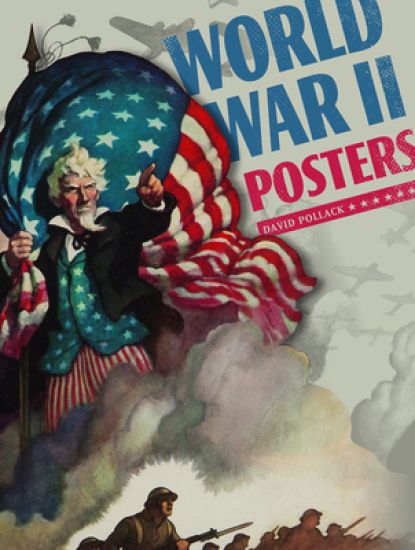
World War II Posters

World War II Posters

David Pollack

Schiffer Publishing Ltd
2017
sidottu
This book is a visual survey of posters printed by the United States, the Allies, and the Axis, and offers an overview of the various categories of propaganda posters created in support of the war effort: recruiting, conservation, careless talk/anti-espionage, bond/fundraising, morale, and more. With posters from all combatants, here is a look at propaganda used as a tool used by all parties in the conflict and how similar themes crossed national borders.
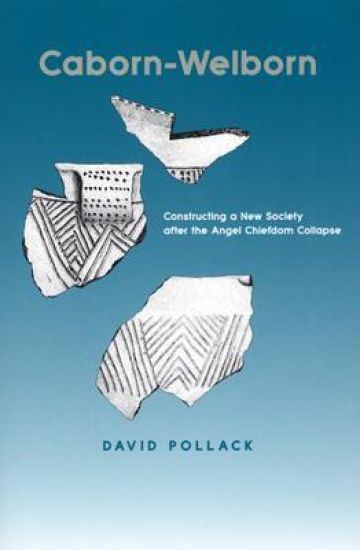
Caborn-Welborn

Caborn-Welborn

David Pollack

The University of Alabama Press
2004
nidottu
Caborn-Welborn, a late Mississippian (A.D. 1400-1700) farming society centered at the confluence of the Ohio and Wabash Rivers (in what is now southwestern Indiana, southeastern Illinois, and northwestern Kentucky), developed following the collapse of the Angel chiefdom (A.D. 1000-1400). Using ceramic and settlement data, David Pollack examines the ways in which that new society reconstructed social, political, and economic relationships from the remnants of the Angel chiefdom. Unlike most instances of the demise of a complex society led by elites, the Caborn-Welborn population did not become more inward-looking, as indicated by an increase in extraregional interaction, nor did they disperse to smaller more widely scattered settlements, as evidenced by a continuation of a hierarchy that included large villages. This book makes available for the first time detailed, well-illustrated descriptions of Caborn-Welborn ceramics, identifies ceramic types and attributes that reflect Caborn-Welborn interaction with Oneonta tribal groups and central Mississippi valley Mississippian groups, and offers an internal regional chronology. Based on intraregional differences in ceramic decoration, the types of vessels interred with the dead, and cemetery location, Pollack suggests that in addition to the former Angel population, Caborn-Welborn society may have included households that relocated to the Ohio/Wabash confluence from nearby collapsing polities, and that Caborn-Welborn's sociopolitical organization could be better considered as a riverine confederacy.