
Kirjahaku
Etsi kirjoja tekijän nimen, kirjan nimen tai ISBN:n perusteella.
11 kirjaa tekijältä David R. Marples
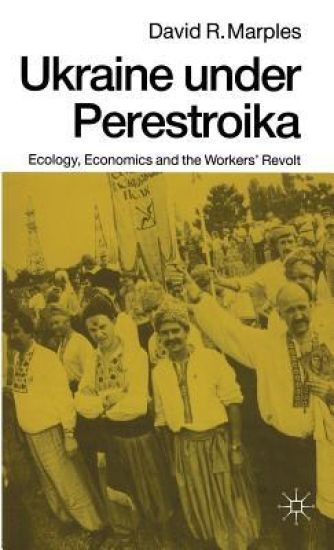
This volume highlights the problems of the environment and industry in Ukraine from 1985 to 1990. The main theme of the book is the close link between the damage to nature and the growth of political activism and patriotism in Ukraine.

Why did the Soviet Union collapse in 1991?The collapse of the Soviet Union has widely been seen as the result of the arms race and Cold War, and the failure of the Soviet side to keep pace with new technology. This book argues that the disintegration was mainly a result of two interrelated factors: the rise of the Soviet national republics, and the manipulation of the new Russian presidency by Boris Yeltsin in what became a direct power struggle between Yeltsin and the Soviet leader, Gorbachev.Written in a clear and accessible manner, the book provides:an explanation of how the national question came to dominate Soviet politics by 1990-1 analysis of the economic crisis that occurred in the late 1980s a chapter devoted to the year 1991, from the referendum to reform the Soviet Union to the unforeseen dissolution of the country by December a discussion of the personalities of and political confrontation between the two key statesman: Gorbachev and Yeltsin Also containing a Chronology, Glossary and Who's Who of key figures, The Collapse of the Soviet Union is essential reading for students of twentieth century European history.

Motherland tells the dramatic story of the rise and fall of the Soviet Union. From Lenin's virtual coup in November 1917 to Boris Yeltsin's ruthless takeover of power in 1991, the book culminates with a new view of the Yeltsin years.David Marples focuses on the evolution of Russia during the Soviet period, and the attempt to harness Russian nationalism to the avowed Soviet mission of promoting World Communism. Along the way heanalyses some of the more intensive historical debates and uncovers some of the myths perpetuated by state propaganda, especially those associated with the Great Patriotic War.

This study examines one of the key events in history, the Russian Revolution. Since the late Gorbachev period, a wealth of new material has become available to historians that has triggered intense scholarly debate on the nature of revolution. This timely new book takes account of the new scholarship, including - for example - the role of Lenin. It is argued that the intial flexibility of Lenin and the Bolshevik party allowed them to take power, but that the conduct of both changed considerably once they were obliged to take steps to maintain their authority. This book charts the Febuary Revolution, the October Revolution, the Civil War and the main individuals involved, giving a remarkable degree of clarity to the tumultuous events in Russia whose consequences the world lived with for the rest of the twentieth century.

The history of Russia, as the natural successor to the Soviet Union, is of crucial importance to understanding why communism ultimately lost out to Western democracy and the free market system. David Marples presents a balanced overview of 20th century Russian history and shows that although contemporary Russia has retained many of the practices and memories of the Soviet period, it is not about to revert back to the Soviet example.

This volume highlights the problems of the environment and industry in Ukraine from 1985 to 1990. The main theme of the book is the close link between the damage to nature and the growth of political activism and patriotism in Ukraine.
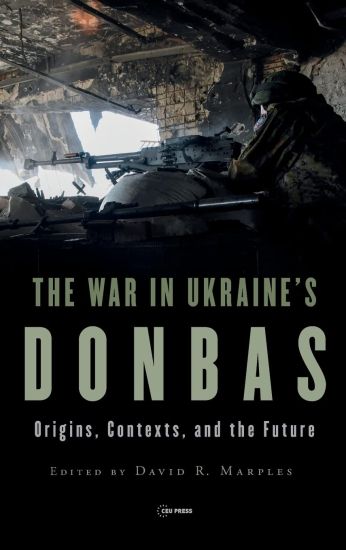
This collective work analyzes the ongoing conflict in Ukraine, providing a coherent picture of Ukraine and Eastern Europe in the period 2013–2020. Giving voice to different social groups, scholarly communities and agencies relevant to Ukraine’s recent history, The War in Ukraine's Donbas goes beyond simplistic media interpretations that limit the analysis to Vladimir Putin and Russian aims to annex Ukraine. Instead, the authors identify the deeper roots linked to the autonomy and history of Donbas as a region. The contributions explore local society and traditions and the alienation from Ukraine caused by the events of Euromaidan, which saw the removal of the Donetsk-based president Viktor Yanukovych. Other chapters address the refugee crisis, the Minsk Accords in 2014 and the impact of the new president Volodymyr Zelensky and his efforts to bring the war to an end by negotiations among Russia, Ukraine, France, and Germany. The book concludes with four proposals for a durable peace in Donbas: territorial power-sharing; the conversion of rebels into legitimate political parties; amnesty for all participants of the armed conflict; and a transitional period of several years until political institutions are fully re-established.

This collective work analyzes the ongoing conflict in Ukraine, providing a coherent picture of Ukraine and Eastern Europe in the period 2013–2020. Giving voice to different social groups, scholarly communities and agencies relevant to Ukraine’s recent history, The War in Ukraine's Donbas goes beyond simplistic media interpretations that limit the analysis to Vladimir Putin and Russian aims to annex Ukraine. Instead, the authors identify the deeper roots linked to the autonomy and history of Donbas as a region. The contributions explore local society and traditions and the alienation from Ukraine caused by the events of Euromaidan, which saw the removal of the Donetsk-based president Viktor Yanukovych. Other chapters address the refugee crisis, the Minsk Accords in 2014 and the impact of the new president Volodymyr Zelensky and his efforts to bring the war to an end by negotiations among Russia, Ukraine, France, and Germany. The book concludes with four proposals for a durable peace in Donbas: territorial power-sharing; the conversion of rebels into legitimate political parties; amnesty for all participants of the armed conflict; and a transitional period of several years until political institutions are fully re-established.

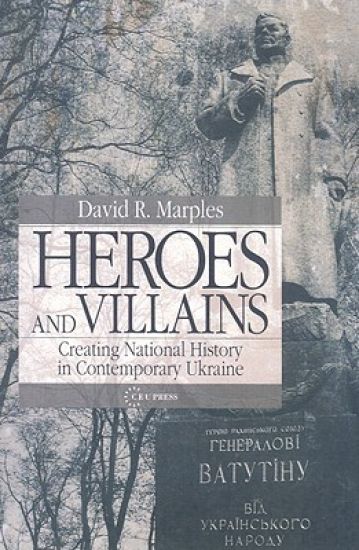
Certain to engender debate in the media, especially in Ukraine itself, as well as the academic community. Using a wide selection of newspapers, journals, monographs, and school textbooks from different regions of the country, the book examines the sensitive issue of the changing perspectives – often shifting 180 degrees – on several events discussed in the new narratives of the Stalin years published in the Ukraine since the late Gorbachev period until 2005. These events were pivotal to Ukrainian history in the 20th century, including the Famine of 1932–33 and Ukrainian insurgency during the war years.
Certain to engender debate in the media, especially in Ukraine itself, as well as the academic community. Using a wide selection of newspapers, journals, monographs, and school textbooks from different regions of the country, the book examines the sensitive issue of the changing perspectives – often shifting 180 degrees – on several events discussed in the new narratives of the Stalin years published in the Ukraine since the late Gorbachev period until 2005. These events were pivotal to Ukrainian history in the 20th century, including the Famine of 1932–33 and Ukrainian insurgency during the war years.