
Kirjahaku
Etsi kirjoja tekijän nimen, kirjan nimen tai ISBN:n perusteella.
20 kirjaa tekijältä David Rankin
David Rankin, Farmer: Modern Agricultural Methods Contrasted with Primitive Agricultural Methods by the Life History of a Plain Farmer (1909
David Rankin
Literary Licensing, LLC
2014
sidottu
David Rankin, Farmer: Modern Agricultural Methods Contrasted With Primitive Agricultural Methods By The Life History Of A Plain Farmer (1909) is a book that explores the differences between modern and primitive agricultural methods through the life story of David Rankin, a plain farmer. The book provides a detailed account of Rankin's experiences as a farmer and how he transitioned from using traditional, primitive methods to modern, more efficient methods. The book is divided into several chapters, each of which focuses on a different aspect of farming, such as crop rotation, soil management, and livestock care. Throughout the book, Rankin provides insights into the challenges he faced as a farmer and how he overcame them using modern techniques.The book also includes illustrations and photographs that help to illustrate the differences between modern and primitive agricultural methods. Additionally, the book provides a historical perspective on the evolution of farming practices, highlighting the ways in which technology has transformed agriculture over time.Overall, David Rankin, Farmer is a valuable resource for anyone interested in the history of agriculture and the ways in which modern farming practices have evolved over time. It provides a unique perspective on the challenges faced by farmers and the ways in which they have adapted to changing circumstances in order to improve their yields and livelihoods.This Is A New Release Of The Original 1909 Edition.This scarce antiquarian book is a facsimile reprint of the old original and may contain some imperfections such as library marks and notations. Because we believe this work is culturally important, we have made it available as part of our commitment for protecting, preserving, and promoting the world's literature in affordable, high quality, modern editions, that are true to their original work.
David Rankin, Farmer: Modern Agricultural Methods Contrasted with Primitive Agricultural Methods by the Life History of a Plain Farmer (1909
David Rankin
Literary Licensing, LLC
2014
nidottu
This book explores how post-death existence is represented in popular film, looking at issues such as continuity, personal identity, and the nature of existence beyond the grave. Film often returns to the theme of dying, death and the afterlife, both directly and indirectly, because there are very few subjects as compelling and universal. The book compares the representation of death, dying and the afterlife in films to scholarly surveys of attitudes towards life-after-death through the analysis of twenty films made between the end of World War II and now. It looks at the portrayals of stages between death and a final destination; spatio-temporal and personal continuity; the nature of afterlife existence in terms of embodiment, or not; and the contact between the worlds of the living and the dead. This book offers a wide-ranging view on a compelling subject in film. As such, it will be of great interest to scholars of Religion and Film, Religion and Media, the Philosophy of Religion, and the Sociology of Religion, as well as Religion, Media and Film Studies more generally.
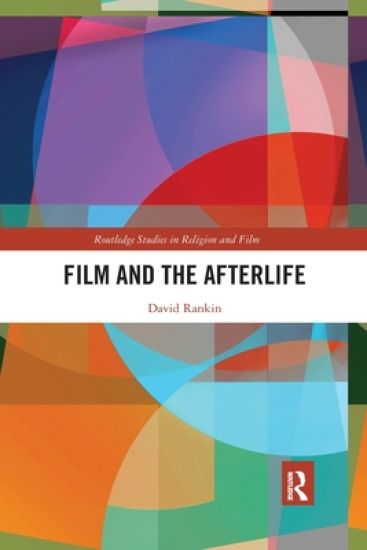
This book explores how post-death existence is represented in popular film, looking at issues such as continuity, personal identity, and the nature of existence beyond the grave. Film often returns to the theme of dying, death and the afterlife, both directly and indirectly, because there are very few subjects as compelling and universal. The book compares the representation of death, dying and the afterlife in films to scholarly surveys of attitudes towards life-after-death through the analysis of twenty films made between the end of World War II and now. It looks at the portrayals of stages between death and a final destination; spatio-temporal and personal continuity; the nature of afterlife existence in terms of embodiment, or not; and the contact between the worlds of the living and the dead. This book offers a wide-ranging view on a compelling subject in film. As such, it will be of great interest to scholars of Religion and Film, Religion and Media, the Philosophy of Religion, and the Sociology of Religion, as well as Religion, Media and Film Studies more generally.
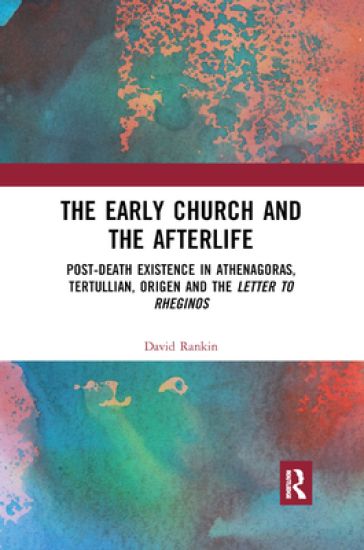
The resurrection of the dead was, as Tertullian says, ‘the chief article of the whole Christian faith’ (De resurrectione 39.3) and one of those beliefs which most distinguished Christian thought from much other contemporary thinking. This book looks at the way in which post-death existence is represented in the work of the early Church Fathers - notably Athenagoras, Tertullian, and Origen - and the Letter to Rheginos, and how these representations compare with its treatment both in Scripture and in contemporary, modern theological reflection. Examining these attitudes to life after death, and putting them into conversation with more modern interpretations, the book asks four main questions. Firstly, whether resurrection happens immediately after death. Secondly, if there is continuity or discontinuity of space and time between death and a resurrection life. Thirdly, it explores whether post-death existence was thought to be embodied or not, and if so how might it be embodied. Finally, it addresses the issue of continuity, or discontinuity, of personal identity after death. This book sheds light on the formation of a key doctrine of Christian faith. As such, it will be of significant interest to scholars and academics working in the History of Religion, Theology and Patristics.

To observe the Celts through the eyes of the Greeks and Romans is the first aim of this book.
This book explores the life-history of the individual within the context of Plato’s social thought. The author examines Plato’s treatment of the principal crises in an individual life - birth, educational selection, sex, the individual’s contract with society, old age, death, and life after death – and provides an unprecedented analysis of Plato’s theory of genetics as it appears in the Timaeus. Comparisons are made with contemporary developments in anthropology, sociology, and comparative myth but without losing sight of the fact that Plato, whilst having much to say to the modern world, was not a modern.
Was Tertullian of Carthage a schismatic? How did he view the Church and its bishops? How did he understand the exercise of authority within the Church? In this study David Rankin sets the writings of Tertullian in the context of the early third-century Church and the developments it was undergoing in relation to both its structures and its self-understanding. He then discusses Tertullian's own theology of the Church, his imagery and his perception of Church office and ministry. Tertullian maintained throughout his career a high view of the Church, and this in part constituted the motivation for his vitriolic attacks on the Church's hierarchy after he had joined the New Prophecy movement. His contribution to the development of the Church has often been misunderstood, and this thorough exploration provides a reassessment of its nature and importance.
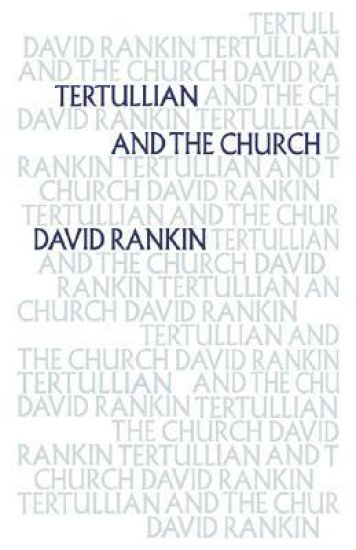
Was Tertullian of Carthage a schismatic? How did he view the church and its bishops? How did he understand the exercise of authority within the church? In this study David Rankin sets the writings of Tertullian in the context of the early third-century church and the developments it was undergoing in relation to both its structures and its self-understanding. He then discusses Tertullian’s own theology of the church, his imagery and his perception of church office and ministry. Tertullian maintained throughout his career a high view of the church, and this in part constituted the motivation for his vitriolic attacks on the church’s hierarchy after he had joined the New Prophecy movement. His contribution to the development of the church has often been misunderstood, and this thorough exploration provides a timely reassessment of its nature and importance.
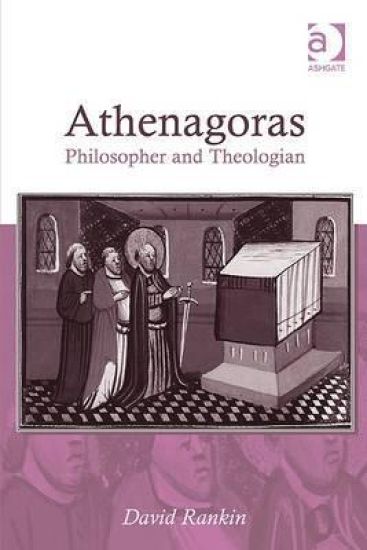
Athenagoras of Athens was a Christian thinker of the second century who engaged with contemporary philosophical thought in the matters of the divine, and the relationship of that divine to the material world. While clearly a Christian apologist, Athenagoras presents doctrines of God, of the Holy Trinity, and of other theological matters which clearly evidence an engagement with Greek philosophical thought which goes beyond the merely linguistic and embraces the notion of God as true being. Athenagoras is a Church Father who has not been given great attention in twentieth-century and early twenty-first-century scholarship. This book explores Athenagoras' undeniable place in the development of Christian thought on the divine, on the Trinity, on the human person, and on the resurrection. His work provides an important link between the mid-second-century and the work of Justin and that of the third-century Christian theologians of the East.
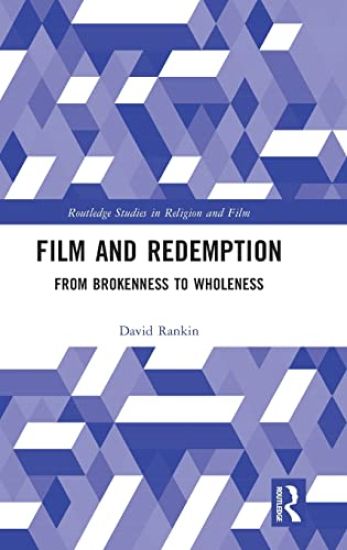
This book explores the representation of the idea or theme of redemption in contemporary, popular film. The discussion focuses primarily on the work of three directors – Clint Eastwood, Martin Scorsese and Kore-eda Hirokazu – but also considers a few films from other directorial hands. David Rankin divides the notion of personal redemption into transactional and transformational aspects, differentiating between redemption, understood as that which is external to the person but impacting on their being and environment, and that which is internal to the person. Redemption is viewed broadly as a journey from brokenness to wholeness, from imprisonment to release, or from some form of slavery to freedom. Both secular and religious (especially Christian) understandings of the notion are discussed, and consideration is given to how the former might inform the latter.
This book explores the representation of the idea or theme of redemption in contemporary, popular film. The discussion focuses primarily on the work of three directors – Clint Eastwood, Martin Scorsese and Kore-eda Hirokazu – but also considers a few films from other directorial hands. David Rankin divides the notion of personal redemption into transactional and transformational aspects, differentiating between redemption, understood as that which is external to the person but impacting on their being and environment, and that which is internal to the person. Redemption is viewed broadly as a journey from brokenness to wholeness, from imprisonment to release, or from some form of slavery to freedom. Both secular and religious (especially Christian) understandings of the notion are discussed, and consideration is given to how the former might inform the latter.
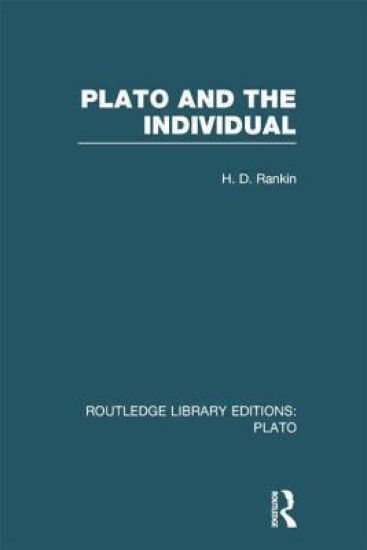
This book explores the life-history of the individual within the context of Plato’s social thought. The author examines Plato’s treatment of the principal crises in an individual life - birth, educational selection, sex, the individual’s contract with society, old age, death, and life after death – and provides an unprecedented analysis of Plato’s theory of genetics as it appears in the Timaeus. Comparisons are made with contemporary developments in anthropology, sociology, and comparative myth but without losing sight of the fact that Plato, whilst having much to say to the modern world, was not a modern.
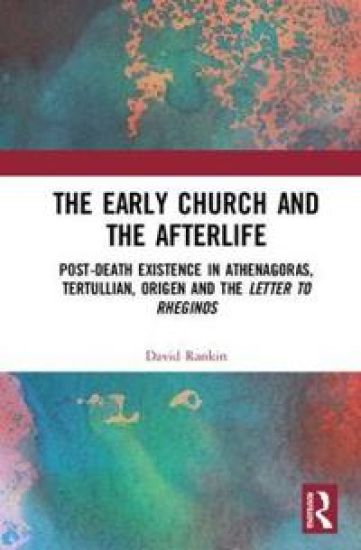
The resurrection of the dead was, as Tertullian says, ‘the chief article of the whole Christian faith’ (De resurrectione 39.3) and one of those beliefs which most distinguished Christian thought from much other contemporary thinking. This book looks at the way in which post-death existence is represented in the work of the early Church Fathers - notably Athenagoras, Tertullian, and Origen - and the Letter to Rheginos, and how these representations compare with its treatment both in Scripture and in contemporary, modern theological reflection. Examining these attitudes to life after death, and putting them into conversation with more modern interpretations, the book asks four main questions. Firstly, whether resurrection happens immediately after death. Secondly, if there is continuity or discontinuity of space and time between death and a resurrection life. Thirdly, it explores whether post-death existence was thought to be embodied or not, and if so how might it be embodied. Finally, it addresses the issue of continuity, or discontinuity, of personal identity after death. This book sheds light on the formation of a key doctrine of Christian faith. As such, it will be of significant interest to scholars and academics working in the History of Religion, Theology and Patristics.
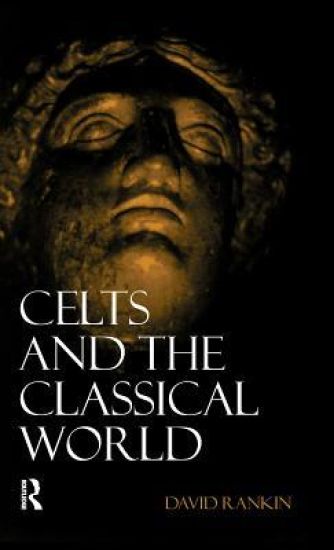
To observe the Celts through the eyes of the Greeks and Romans is the first aim of this book.
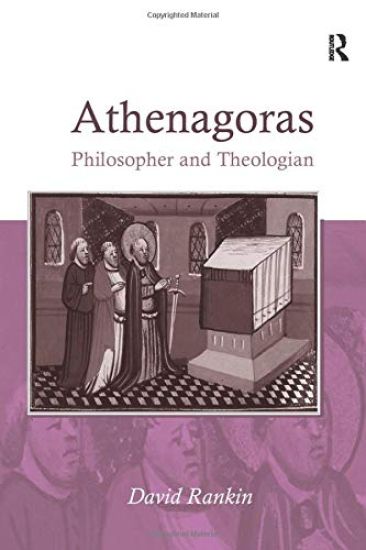
Athenagoras of Athens was a Christian thinker of the second century who engaged with contemporary philosophical thought in the matters of the divine, and the relationship of that divine to the material world. While clearly a Christian apologist, Athenagoras presents doctrines of God, of the Holy Trinity, and of other theological matters which clearly evidence an engagement with Greek philosophical thought which goes beyond the merely linguistic and embraces the notion of God as true being. Athenagoras is a Church Father who has not been given great attention in twentieth-century and early twenty-first-century scholarship. This book explores Athenagoras' undeniable place in the development of Christian thought on the divine, on the Trinity, on the human person, and on the resurrection. His work provides an important link between the mid-second-century and the work of Justin and that of the third-century Christian theologians of the East.
The Sophists, the Socratics and the Cynics had one important characteristic in common: they mainly used spoken natural language as their instrument of investigation, and they were more concerned to discover human nature in its various practical manifestations than the facts of the physical world. The Sophists are too often remembered merely as the opponents of Socrates and Plato. Rankin discusses what social needs prompted the development of their theories and provided a market for their teaching. Five prominent Sophists – Protagoras, Gorgias, Prodicus, Hippias and Thrasymachus – are looked at individually. The author discusses their origins, aims and arguments, and relates the issues they focussed on to debates apparent in contemporary literature.Sophists, Socratics and Cynics, first published in 1983, also traces the sophistic strand in Greek thought beyond the great barrier of Plato, emphasising continuity with the Cynics, and concludes with a look forward to Epicureans and Stoics.
The Sophists, the Socratics and the Cynics had one important characteristic in common: they mainly used spoken natural language as their instrument of investigation, and they were more concerned to discover human nature in its various practical manifestations than the facts of the physical world. The Sophists are too often remembered merely as the opponents of Socrates and Plato. Rankin discusses what social needs prompted the development of their theories and provided a market for their teaching. Five prominent Sophists – Protagoras, Gorgias, Prodicus, Hippias and Thrasymachus – are looked at individually. The author discusses their origins, aims and arguments, and relates the issues they focussed on to debates apparent in contemporary literature.Sophists, Socratics and Cynics, first published in 1983, also traces the sophistic strand in Greek thought beyond the great barrier of Plato, emphasising continuity with the Cynics, and concludes with a look forward to Epicureans and Stoics.
Sort My Money: Your 12-step money makeover to a better life
David Rankin
Createspace Independent Publishing Platform
2014
nidottu