Kirjojen hintavertailu. Mukana 11 627 630 kirjaa ja 12 kauppaa.

Kirjahaku

Etsi kirjoja tekijän nimen, kirjan nimen tai ISBN:n perusteella.

3 kirjaa tekijältä David Seal

Prayer as Divine Experience in 4 Ezra and John’s Apocalypse
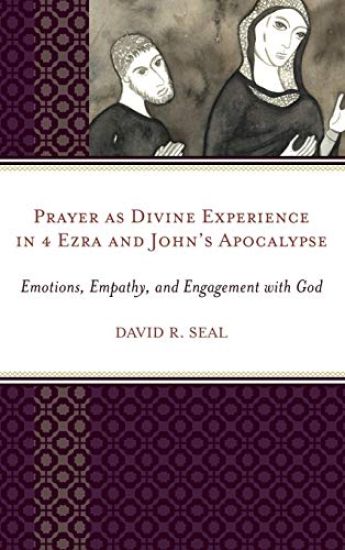
Do humans have a special capacity designed to foster experiences of God? What role do specific bodily actions or emotions play in the cultivation of a divine experience? Prayer as Divine Experience in 4 Ezra and John’s Apocalypse: Emotion, Empathy, and Engagement with God explores these questions in a systematic study of the emotions in two apocalyptic texts. The book of 4 Ezra, an ancient Jewish apocalypse, and the book of Revelation, an ancient Christian Apocalypse written by John, are examined with a focus on the emotional language of the prayers and prayer preludes contained in this literature. Both texts were composed in the first-century of the Common Era, a time when most people exposed to literature heard the content as it was recited. The emotive language in these writings could potentially arouse similar emotions in the readers or hearers of these texts, allowing the person to have access to the divine experiences, which are described by the seer in 4 Ezra and are expressed by the angelic choir in John’s Apocalypse. Prior to examining the prayers, Prayer as Divine Experience will describe the neurological processes that cause a person to mirror the emotions expressed by another individual, thereby prompting an imitation of the experience that is perceived.
Jude

Jude

David Seal

Wipf Stock Publishers
2021
sidottu
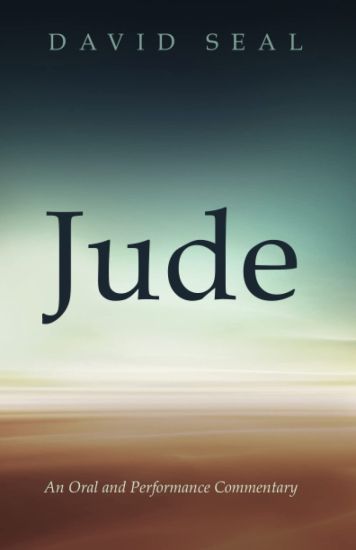
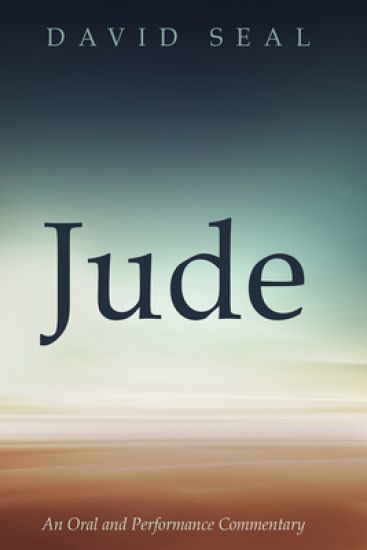
Jude is a short letter making it easy to read entirely in one sitting. Yet the letter is rarely read, and it is not a popular text for teaching and preaching. Jude is a warning to an early Christian community about a group of itinerant teachers bearing a message that Jude considers incompatible with the apostolic gospel. The teaching and practice of these people puts them into a class of individuals who, according to Scripture, incur God's wrath and judgment. Jude stresses that there is guaranteed judgment on those who live outside the normalized instruction and teach others to do the same. The importance of a lifestyle that adheres with biblical teaching is just as crucial today as it was in the early church. This commentary highlights the oral and performative nature of the first-century Mediterranean world. Jude was situated in this oral context, and it decisively shaped the form and delivery of the epistle while also enhancing its content. One cannot separate the content of a message from how a message comes to expression. This commentary aims to show the relationship between expression and content, demonstrating that there is not only value in what Jude says but in how he says it.
Jude

Jude

David Seal

Wipf Stock Publishers
2021
pokkari
Jude is a short letter making it easy to read entirely in one sitting. Yet the letter is rarely read, and it is not a popular text for teaching and preaching. Jude is a warning to an early Christian community about a group of itinerant teachers bearing a message that Jude considers incompatible with the apostolic gospel. The teaching and practice of these people puts them into a class of individuals who, according to Scripture, incur God's wrath and judgment. Jude stresses that there is guaranteed judgment on those who live outside the normalized instruction and teach others to do the same. The importance of a lifestyle that adheres with biblical teaching is just as crucial today as it was in the early church. This commentary highlights the oral and performative nature of the first-century Mediterranean world. Jude was situated in this oral context, and it decisively shaped the form and delivery of the epistle while also enhancing its content. One cannot separate the content of a message from how a message comes to expression. This commentary aims to show the relationship between expression and content, demonstrating that there is not only value in what Jude says but in how he says it.