

Kirjahaku
Etsi kirjoja tekijän nimen, kirjan nimen tai ISBN:n perusteella.
32 kirjaa tekijältä David White

From growing up in Swanley, Kent in the 1950s, through the swinging sixties, and getting into boxing and meeting Henry Cooper, to joining the family firm of chimney sweeping, David White's memoirs and recollections tell of a very different time in Britain's history, of a changing social fabric, post WWII - but at the same time, also show the continuity of community spirit and strong family bonds, with his two sons now taking on the mantle of running the family business, and grandson Harry also getting a look in.
Organizational or corporate ‘culture’ is the most overused and least understood word in business, if not society. While the topic has been an object of keen academic interest for nearly half a century, theorists and practitioners still struggle with the most basic questions: What is organizational culture? Can it be measured? Is it a dependent or independent variable? Is it causal in organizational performance, and, if so, how? Paradoxically, managers and practitioners ascribe cultural explanations for much of what constitutes organizational behavior in organizations, and, moreover, believe culture can be engineered to their own designs for positive business outcomes. What explains this divide between research and practice? While much academic research on culture is challenged by ontological, epistemic and ethical difficulties, there is little empirical evidence to show culture can be deliberately shaped beyond espoused values. The gap between research and practice can be explained by one simple reason: the science and practice of culture has yet to catch up to managerial intuition.Managers are correct in suspecting culture is a powerful normative force, but, until now, current theory and research is not able to adequately account for cultural behavior in organizations. Rethinking Culture describes and presents evidence for a new framework of organizational culture based on the cognitive science of the so-called cultural mind. It will be of relevance to academics and researchers with an interest in business and management, organizational culture, and organizational change, as well as cognitive and cultural anthropologists and sociologists interested in applications of theory in organizational and institutional settings.
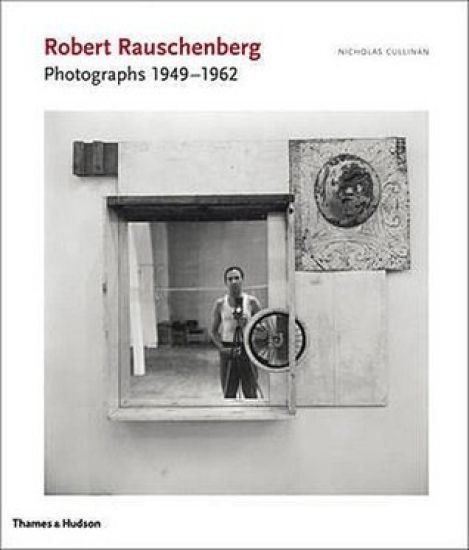
Robert Rauschenberg's engagement with photography began in the late 1940s under the tutelage of Aaron Siskind and Hazel Larsen Archer at Black Mountain College in North Carolina. This title gathers together and surveys Rauschenberg's numerous uses of photography.
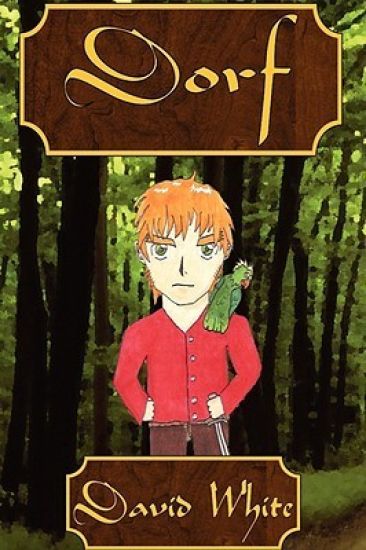
Dorf is the rather humorous story of a young dwarf. Nathaniel Dorf, a man who cannot even reach the top of most tables, will undertake a journey involving courage, wizards, magic, trolls, a talking parrot and a discovery that changes his life and the lives of many others throughout the world. And no, the parrot doesn't just beg for crackers.

Western analysts have become increasingly concerned with President Putin's centralization and control, with the term 'managed democracy' becoming a byword for the state of the Russian polity. In this important exploration, David White examines the gradual electoral decline of Russia's leading liberal party, the Yabloko Party. In doing so, he provides fascinating insights into the role of opposition, the development of the party system and, above all, the quality of democracy in Russia under President Putin. As an overtly democratic, liberal reformist party with a strong pro-Western orientation, the place and role of Yabloko in Russian politics is of concern to those interested both in the establishment of democratic norms and the relative strength of political forces promoting democratic and market reforms in Russia.
Inspire animated discussions of questions that concern kids—and all of us—with the 25th anniversary edition of this innovative, interactive book. Open your students' minds to the wonders of philosophy.Allow them to grapple with the questions philosophers have discussed since the ancient Greeks. Questions include: “Who are your friends?,” “Can computers think?,” “Can something logical not make sense?,” and “Can you think about nothing?” Young minds will find these questions to be both entertaining and informative. If you have ever wondered about questions like these, you are well on your way to becoming a philosopher!Philosophy for Kids offers young people the opportunity to become acquainted with the wonders of philosophy. Packed with exciting activities arranged around the topics of values, knowledge, reality, and critical thinking, this book can be used individually or by the whole class. Each activity allows kids to increase their understanding of philosophical concepts and issues and enjoy themselves at the same time.In addition to learning about a challenging subject, students philosophizing in a classroom setting, as well as the casual reader of Philosophy for Kids, will sharpen their ability to think critically about these and similar questions. Experiencing the enjoyment of philosophical thought enhances a young person's appreciation for the importance of reasoning throughout the traditional curriculum of subjects.The book includes activities, teaching tips, a glossary of terms, and suggestions for further reading.Grades 4-12
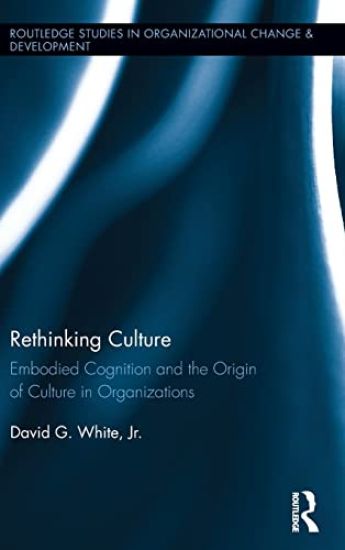
Organizational or corporate ‘culture’ is the most overused and least understood word in business, if not society. While the topic has been an object of keen academic interest for nearly half a century, theorists and practitioners still struggle with the most basic questions: What is organizational culture? Can it be measured? Is it a dependent or independent variable? Is it causal in organizational performance, and, if so, how? Paradoxically, managers and practitioners ascribe cultural explanations for much of what constitutes organizational behavior in organizations, and, moreover, believe culture can be engineered to their own designs for positive business outcomes. What explains this divide between research and practice? While much academic research on culture is challenged by ontological, epistemic and ethical difficulties, there is little empirical evidence to show culture can be deliberately shaped beyond espoused values. The gap between research and practice can be explained by one simple reason: the science and practice of culture has yet to catch up to managerial intuition.Managers are correct in suspecting culture is a powerful normative force, but, until now, current theory and research is not able to adequately account for cultural behavior in organizations. Rethinking Culture describes and presents evidence for a new framework of organizational culture based on the cognitive science of the so-called cultural mind. It will be of relevance to academics and researchers with an interest in business and management, organizational culture, and organizational change, as well as cognitive and cultural anthropologists and sociologists interested in applications of theory in organizational and institutional settings.

Western analysts have become increasingly concerned with President Putin's centralization and control, with the term 'managed democracy' becoming a byword for the state of the Russian polity. In this important exploration, David White examines the gradual electoral decline of Russia's leading liberal party, the Yabloko Party. In doing so, he provides fascinating insights into the role of opposition, the development of the party system and, above all, the quality of democracy in Russia under President Putin. As an overtly democratic, liberal reformist party with a strong pro-Western orientation, the place and role of Yabloko in Russian politics is of concern to those interested both in the establishment of democratic norms and the relative strength of political forces promoting democratic and market reforms in Russia.

Have Great Friends is a guide to growing a group of quality friends. Do you want to have more great friendships but you don't know how to go about it? Does it seem like some people have some magical ability to attract great friends, people who seem to be happy and have all the fun? Those people don't have some magical ability. You can learn how to do it. This book will teach you, step by step, how to become the sort of person that attracts friends, and what to do to keep them, and turn acquaintances into great friends.




Flora Of The Outlying Carboniferous Basins Of Southwestern Missouri (1893)
David White
KESSINGER PUBLISHING, LLC
2008
nidottu






Contortio Mundi: (Twisting Universe)
David White
Createspace Independent Publishing Platform
2014
nidottu