Kirjojen hintavertailu. Mukana 11 349 180 kirjaa ja 12 kauppaa.

Kirjahaku

Etsi kirjoja tekijän nimen, kirjan nimen tai ISBN:n perusteella.

4 kirjaa tekijältä Dennis Bailey

The Boy Who Cried Christmas

The Boy Who Cried Christmas

Dennis Bailey

Dennis Bailey
2020
nidottu
9-year-old Logan Ailshie, the only son of well-to-do parents, was used to getting his way, especially during the holidays. For him, Christmas wasn't just about making a list, but making sure it was long enough. He also had a reputation for embellishing the truth. That is until a chance meeting with an angel on the streets of Manhattan ends with a journey back in time to the birthplace of Christianity. Eventually, he makes his way home with a story that could change all their lives. He only has one problem . . . no one will believe him.
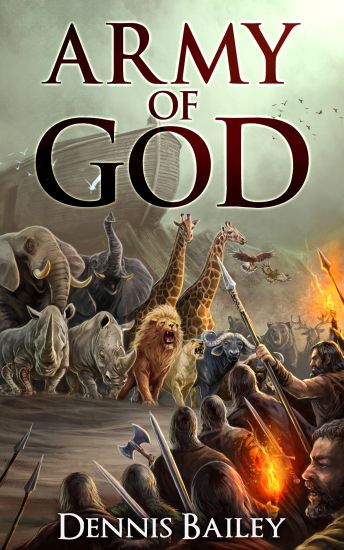
Army of God

Army of God

Dennis Bailey

Dennis Bailey
2018
nidottu
"It is Noah's Ark meets Game of Thrones, unique and surprising." - Rowena Kuo, Award winning editor and publisherOne of the most beloved and enduring stories of all time . . . One of the most recognizable characters in history . . . A plot by a rival to kill Noah and his family is thwarted by a beautiful young woman, who joins them as they flee the ancient Biblical city of Eden. A year later, the Lord reveals His plan to destroy the earth by flood and commands Noah to build an ark. Only the news is met with skepticism and opposition from members of his own family. Eventually, word of the ark reaches Eden, prompting the rival to send an army of five thousand men to destroy it. However Noah has an army of his own. Action, adventure, and suspense combine with the Biblical account of Noah's Ark to create a heart-pounding page-turner that will stay with you long after the flood waters have receded.
The Open Society Paradox

The Open Society Paradox

Dennis Bailey

Potomac Books Inc
2005
sidottu
How do we ensure security and, at the same time, safeguard civil liberties? The Open Society Paradox challenges the conventional wisdom of those on both sides of the debate—leaders who want unlimited authority and advocates who would sacrifice security for individual privacy protection. It offers a provocative alternative, suggesting that while the very openness of American society has left the United States vulnerable to today's threats, only more of this quality will make the country safer and enhance its citizens' freedom and mobility.Uniquely qualified to address these issues, Dennis Bailey argues that the solution is not to create a police state that restricts liberties but, paradoxically, to embrace greater openness. Through new technologies that engender transparency, including secure information, biometrics, surveillance, facial recognition, and data mining, society can remove the anonymity of the ill-intentioned while revitalizing the notions of trust and accountability and enhancing freedom for most Americans. He explores the impact of greater transparency on our lives, our relationships, and our liberties. The Open Society Paradox is a brave exploration of how to realign our traditional assumptions about privacy with a twenty-first-century concept of an open society.
The Open Society Paradox

The Open Society Paradox

Dennis Bailey

Potomac Books Inc
2005
nidottu
How do we ensure security and, at the same time, safeguard civil liberties? The Open Society Paradox challenges the conventional wisdom of those on both sides of the debate-leaders who want unlimited authority and advocates who would sacrifice security for individual privacy protection. It offers a provocative alternative, suggesting that while the very openness of American society has left the United States vulnerable to today's threats, only more of this quality will make the country safer and enhance its citizens' freedom and mobility.Uniquely qualified to address these issues, Dennis Bailey argues that the solution is not to create a police state that restricts liberties but, paradoxically, to embrace greater openness. Through new technologies that engender transparency, including secure information, biometrics, surveillance, facial recognition, and data mining, society can remove the anonymity of the ill-intentioned while revitalizing the notions of trust and accountability and enhancing freedom for most Americans. He explores the impact of greater transparency on our lives, our relationships, and our liberties. The Open Society Paradox is a brave exploration of how to realign our traditional assumptions about privacy with a twenty-first-century concept of an open society.