Kirjojen hintavertailu. Mukana 11 244 527 kirjaa ja 12 kauppaa.

Kirjahaku

Etsi kirjoja tekijän nimen, kirjan nimen tai ISBN:n perusteella.

2 kirjaa tekijältä Derrick Price

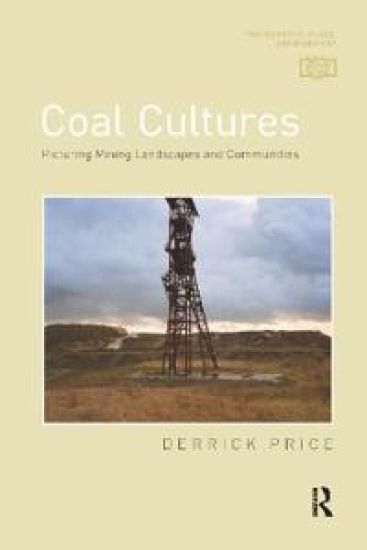
Coal Cultures

Coal Cultures

Derrick Price

Routledge
2021
nidottu
Coal is the commodity that powered the technologies that made the modern world. It also brought about unique communities marked by a high degree of social solidarity and self-help. Mining was central to working class life, drawing rural populations into industrial labour, but it often took place in picturesque landscapes, so that its black spoil heaps became a central symbol of the degradation of pastoral life by the demands of an extractive industry. Throughout Europe and the USA photographers have pictured the characteristic landscapes of the industry, and continue to do so as strip mining devastates huge areas of land. Not only landscape photography but also documentary, portraiture, photojournalism and art photography have been used in order to portray mines and miners. This book presents three interlinked strands of investigation. The first is the way in which the production of coal created paradigmatic communities grounded in particular landscapes. The second concerns the role of photography in exploring, delineating and critiquing mining communities. This in turn involves an examination of the aesthetic and social characteristics of a number of genres of photography. Lastly, it considers the growth and decline of these sites, the geographic shift of the industry to other places, and the re-presentation of traditional localities through the lens of the heritage industry and industrial tourism.
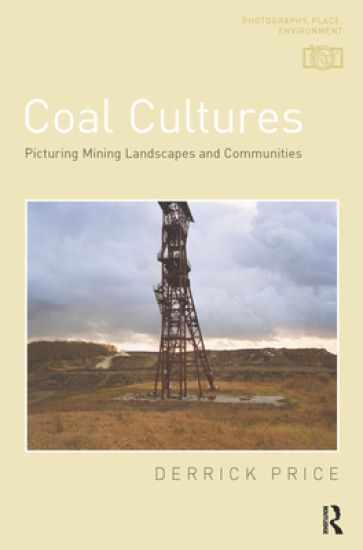
Coal Cultures

Coal Cultures

Derrick Price

Bloomsbury Visual Arts
2018
sidottu
Coal is the commodity that powered the technologies that made the modern world. It also brought about unique communities marked by a high degree of social solidarity and self-help. Mining was central to working class life, drawing rural populations into industrial labour, but it often took place in picturesque landscapes, so that its black spoil heaps became a central symbol of the degradation of pastoral life by the demands of an extractive industry. Throughout Europe and the USA photographers have pictured the characteristic landscapes of the industry, and continue to do so as strip mining devastates huge areas of land. Not only landscape photography but also documentary, portraiture, photojournalism and art photography have been used in order to portray mines and miners. This book presents three interlinked strands of investigation. The first is the way in which the production of coal created paradigmatic communities grounded in particular landscapes. The second concerns the role of photography in exploring, delineating and critiquing mining communities. This in turn involves an examination of the aesthetic and social characteristics of a number of genres of photography. Lastly, it considers the growth and decline of these sites, the geographic shift of the industry to other places, and the re-presentation of traditional localities through the lens of the heritage industry and industrial tourism.