Kirjojen hintavertailu. Mukana 12 390 323 kirjaa ja 12 kauppaa.

Kirjahaku

Etsi kirjoja tekijän nimen, kirjan nimen tai ISBN:n perusteella.

5 kirjaa tekijältä Derrick R. Brooms

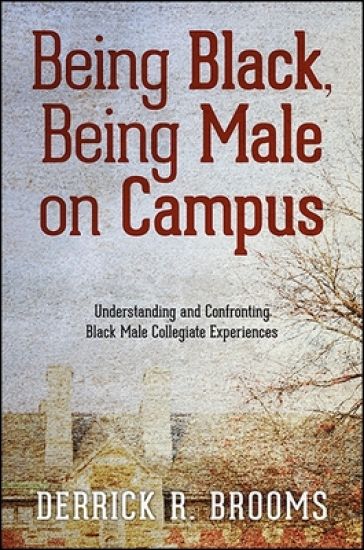
Being Black, Being Male on Campus

Being Black, Being Male on Campus

Derrick R. Brooms

State University of New York Press
2018
pokkari
Explores how race and gender matter on campus and how Black males navigate college for academic and personal success.This work marks a radical shift away from the pervasive focus on the challenges that Black male students face and the deficit rhetoric that often limits perspectives about them. Instead, Derrick R. Brooms offers reflective counter-narratives of success. Being Black, Being Male on Campus uses in-depth interviews to investigate the collegiate experiences of Black male students at historically White institutions. Framed through Critical Race Theory and Blackmaleness, the study provides new analysis on the utility and importance of Black Male Initiatives (BMIs). This work explores Black men's perceptions, identity constructions, and ambitions, while it speaks meaningfully to how race and gender intersect as they influence students' experiences.
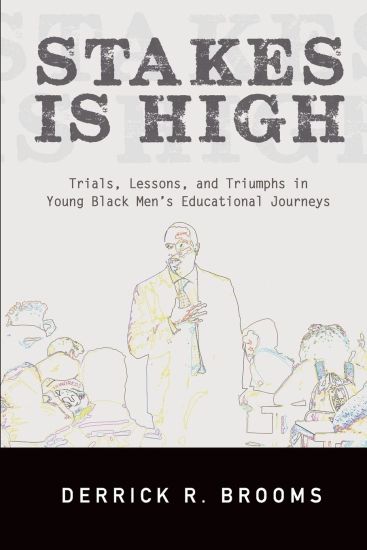
Stakes Is High

Stakes Is High

Derrick R. Brooms

State University of New York Press
2021
sidottu
A rich, authentic account of eight young Black men's experiences on their paths to and through college.Drawing on interviews that span over seven years, Derrick R. Brooms provides detailed accounts of a select group of Black young men's pathways from secondary school through college. As opposed to the same old stories about young Black men, Brooms offers new narratives that speak to Black boys' and young men's agency, aspirations, hopes, and possibilities. Even as they feel contested and constrained because they are Black and male, these young men anchor their educational desires within their families and communities. Critical to their journeys are the many challenges they face in public discourse and societal projections, in their home neighborhoods and schooling community, in educational environments, and in their health and well-being. In charting these challenges and the high stakes of the trials, lessons, and triumphs they experience, Brooms shows that we cannot understand the educational journeys of Black boys and young men without accounting for the full sociocultural contexts of their lives and how they make sense of those contexts.
Stakes Is High

Stakes Is High

Derrick R. Brooms

STATE UNIVERSITY OF NEW YORK PRESS
2022
pokkari
A rich, authentic account of eight young Black men's experiences on their paths to and through college.Drawing on interviews that span over seven years, Derrick R. Brooms provides detailed accounts of a select group of Black young men's pathways from secondary school through college. As opposed to the same old stories about young Black men, Brooms offers new narratives that speak to Black boys' and young men's agency, aspirations, hopes, and possibilities. Even as they feel contested and constrained because they are Black and male, these young men anchor their educational desires within their families and communities. Critical to their journeys are the many challenges they face in public discourse and societal projections, in their home neighborhoods and schooling community, in educational environments, and in their health and well-being. In charting these challenges and the high stakes of the trials, lessons, and triumphs they experience, Brooms shows that we cannot understand the educational journeys of Black boys and young men without accounting for the full sociocultural contexts of their lives and how they make sense of those contexts.
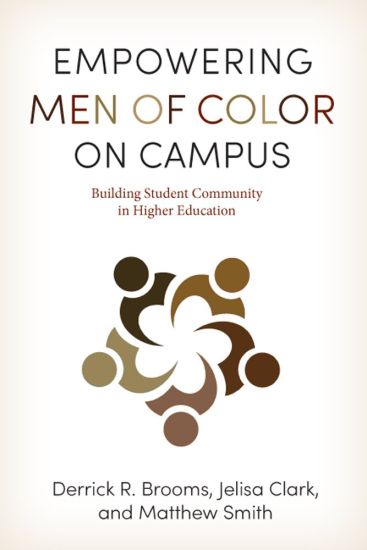
Empowering Men of Color on Campus

Empowering Men of Color on Campus

Derrick R. Brooms; Jelisa Clark; Matthew Smith

Rutgers University Press
2018
nidottu
While recruitment efforts toward men of color have increased at many colleges and universities, their retention and graduation rates still lag behind those of their white peers. Men of color, particularly black and Latino men, face a number of unique challenges in their educational careers that often impact their presence on campus and inhibit their collegiate success. Empowering Men of Color on Campus examines how men of color negotiate college through their engagement in Brothers for United Success (B4US), an institutionally-based male-centered program at a Hispanic Serving Institution. Derrick R. Brooms, Jelisa Clark, and Matthew Smith introduce the concept of educational agency, which is harbored in cultural wealth and demonstrates how ongoing B4US engagement empowers the men’s efforts and abilities to persist in college. They found that the cultural wealth(s) of the community enhanced the students’ educational agency, which bolstered their academic aspirations, academic and social engagement, and personal development. The authors demonstrate how educational agency and cultural wealth can be developed and refined given salient and meaningful immersions, experiences, engagements, and communal connections.
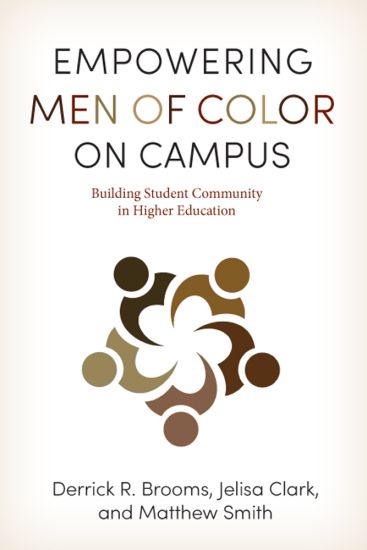
Empowering Men of Color on Campus

Empowering Men of Color on Campus

Derrick R. Brooms; Jelisa Clark; Matthew Smith

Rutgers University Press
2018
sidottu
While recruitment efforts toward men of color have increased at many colleges and universities, their retention and graduation rates still lag behind those of their white peers. Men of color, particularly black and Latino men, face a number of unique challenges in their educational careers that often impact their presence on campus and inhibit their collegiate success. Empowering Men of Color on Campus examines how men of color negotiate college through their engagement in Brothers for United Success (B4US), an institutionally-based male-centered program at a Hispanic Serving Institution. Derrick R. Brooms, Jelisa Clark, and Matthew Smith introduce the concept of educational agency, which is harbored in cultural wealth and demonstrates how ongoing B4US engagement empowers the men’s efforts and abilities to persist in college. They found that the cultural wealth(s) of the community enhanced the students’ educational agency, which bolstered their academic aspirations, academic and social engagement, and personal development. The authors demonstrate how educational agency and cultural wealth can be developed and refined given salient and meaningful immersions, experiences, engagements, and communal connections.