Kirjojen hintavertailu. Mukana 11 342 296 kirjaa ja 12 kauppaa.

Kirjahaku

Etsi kirjoja tekijän nimen, kirjan nimen tai ISBN:n perusteella.

9 kirjaa tekijältä Devapriya Sanyal

Gendered Modernity and Indian Cinema

Gendered Modernity and Indian Cinema

Devapriya Sanyal

TAYLOR FRANCIS LTD
2021
sidottu
This book analyses the role of women in the films of one of the leading filmmakers of the ‘Third World’ in the 1950s, Satyajit Ray, a national icon in filmmaking in India. The book explores the portrayal of women in the context of the creation of national culture after India became independent. Gender issues were very important to India under Jawaharlal Nehru in the 1950s – with the enactment of inheritance and divorce laws. Ray’s portrayal of women and his films anticipate much of the theorizing of later-day feminism. This book analyses cinematic texts with special reference to the women characters using feminist film theory and representation along with a study of the socio-political and economic conditions pertinent to the times – both relevant to the film’s making and its setting. The primary texts studied are films spanning over four decades from Pather Panchali (1955) to his last trilogy and are based on a categorization of the broad feminine ‘types’ represented in the films – based on the socio-political situations in which they are placed – and their relationships with the other characters present. Ray’s portrayal of women has an enormous bearing on our understanding of how modern India evolved in the Nehru era and after, and this book explore just that: the place of the woman as it is and should be in a young nation encumbered by patriarchy.Gendered Modernity and Indian Cinema will be of interest to academics in the field of World cinema, Indian and Bengali cinema, Film Studies as well as Gender Studies and South Asian culture and society.
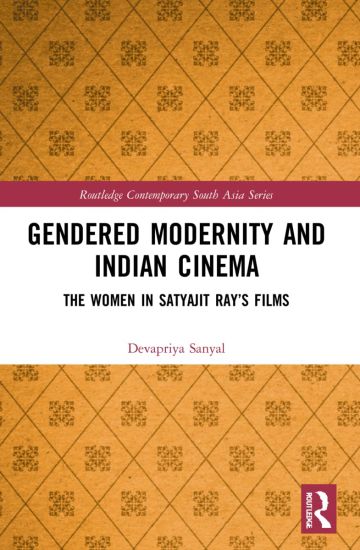
Gendered Modernity and Indian Cinema

Gendered Modernity and Indian Cinema

Devapriya Sanyal

TAYLOR FRANCIS LTD
2023
nidottu
This book analyses the role of women in the films of one of the leading filmmakers of the ‘Third World’ in the 1950s, Satyajit Ray, a national icon in filmmaking in India. The book explores the portrayal of women in the context of the creation of national culture after India became independent. Gender issues were very important to India under Jawaharlal Nehru in the 1950s – with the enactment of inheritance and divorce laws. Ray’s portrayal of women and his films anticipate much of the theorizing of later-day feminism. This book analyses cinematic texts with special reference to the women characters using feminist film theory and representation along with a study of the socio-political and economic conditions pertinent to the times – both relevant to the film’s making and its setting. The primary texts studied are films spanning over four decades from Pather Panchali (1955) to his last trilogy and are based on a categorization of the broad feminine ‘types’ represented in the films – based on the socio-political situations in which they are placed – and their relationships with the other characters present. Ray’s portrayal of women has an enormous bearing on our understanding of how modern India evolved in the Nehru era and after, and this book explore just that: the place of the woman as it is and should be in a young nation encumbered by patriarchy.Gendered Modernity and Indian Cinema will be of interest to academics in the field of World cinema, Indian and Bengali cinema, Film Studies as well as Gender Studies and South Asian culture and society.
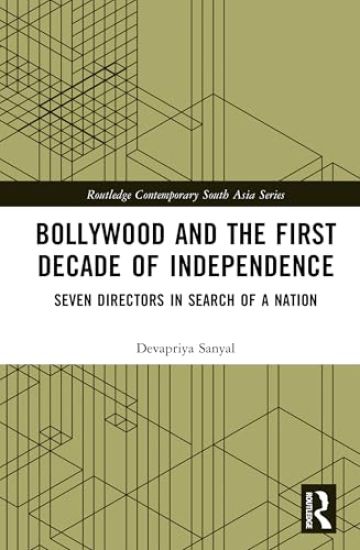
Bollywood and the First Decade of Independence

Bollywood and the First Decade of Independence

Devapriya Sanyal

TAYLOR FRANCIS LTD
2025
sidottu
This book focuses on the cinema of the 1950s in India and analyzes the work of seven filmmakers from mainstream Hindi cinema and how they responded to the independent Indian nation after 1947.The selection of key filmmakers instead of cinema in general shows individual trajectories within cinema. The book examines the change in preoccupations or representations in the work of a single filmmaker, followed by an interpretation about the meaning of those representations. The filmmakers were very prolific and their work was commercially successful. Each chapter studies five or six selected films of each filmmaker and also include some relevant biographical details. The book demonstrates that each filmmaker uses their own strategies to address independent India of the 1950s and how Hindu cinema interrogated the nation-state.A novel contribution to Indian cinema, especially Hindi cinema, during formative years of the 1950s, this book will be of interest to researchers in Film Studies, Gender Studies, Political Science, and History, as well as South Asian society and culture.
Failed Masculinities

Failed Masculinities

Devapriya Sanyal

EDINBURGH UNIVERSITY PRESS
2023
sidottu
The first comprehensive study of men and masculinity in the cinema of Satyajit Ray Links Ray's male characters with India's national trajectory in its early post-independence years Interrogates the director's standing as a national filmmaker Situates Ray within post-colonial filmmaking and realist cinema traditions Satyajit Ray belonged to a category of filmmakers and artists from newly independent countries whose work was used to define 'national culture'. Failed Masculinities: The Men in Satyajit Ray's Films argues that a study of his films will give us a purchase on the moral trajectory of India in its first few decades of independence, particularly through examination of his male characters and their narratives. Films discussed by Sanyal include the Apu Trilogy, Shakha Prasakha, Ghare Baire and Kapurush.
Failed Masculinities

Failed Masculinities

Devapriya Sanyal

EDINBURGH UNIVERSITY PRESS
2025
nidottu
Satyajit Ray belonged to a category of filmmakers and artists from newly independent countries whose work was used to define 'national culture'. Failed Masculinities: The Men in Satyajit Ray's Films argues that a study of his films will give us a purchase on the moral trajectory of India in its first few decades of independence, particularly through examination of his male characters and their narratives. Films discussed by Sanyal include the Apu Trilogy, Shakha Prasakha, Ghare Baire and Kapurush.
Failed Masculinities

Failed Masculinities

Devapriya Sanyal

Orient Blackswan Pvt Ltd
2023
nidottu
In his career as a filmmaker, Satyajit Ray consistently created characters that he adapted from literature, often novels written after 1947. One therefore recognises in his films Indians from the post-Independence era, members of the middle-class intelligentsia conscious of their worth as subjects of the Nehruvian nation. We can see them as models for the kind of educated citizenry that newly independent India was producing, as suggested by film critics such as Pauline Kael in her review of Aranyer Din Ratri (1970) in The New Yorker. Categorising these characters and relating them to the changing milieu is what Failed Masculinities sets out to do. The rationale behind the book is the argument that Ray's portrayal of men paints a picture of India's trajectory, from the colonial period to contemporary times. Ray brought in a certain kind of detachment to his study of men, an approach that differed from the one he employed for his women characters.