Kirjahaku
Etsi kirjoja tekijän nimen, kirjan nimen tai ISBN:n perusteella.
60 kirjaa tekijältä Devdutt Pattanaik
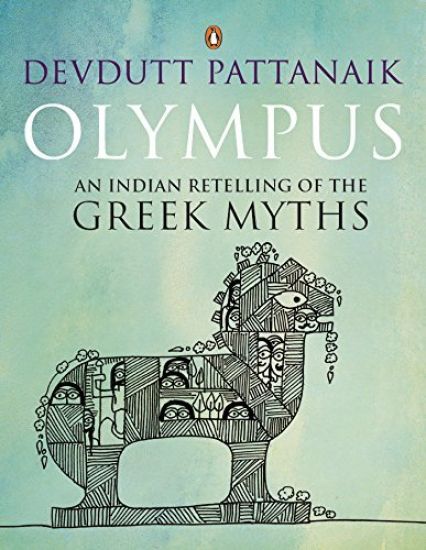
· Olympus is the home of the Greek gods, much like Amravati of the Hindu devas. · Zeus, leader of Olympians, wields a thunderbolt like Indra, and rides an eagle like Vishnu. · The feats of the Greek hero Heracles, known to Romans as Hercules, reminded many of Krishna, as did his name, 'Hari-kula-esha' or lord of the Hari clan. · The Greek epic of a husband sailing across the sea with a thousand ships to bring his wife, Helen, back from Troy seems strikingly similar to the story of Ram rescuing Sita from Lanka. Is there a connection between Greek and Hindu mythology then? Does it have something to do with a common Indo-European root? Or maybe an exchange of ideas in the centuries that followed the arrival of Alexander the Great, when Greek emissaries travelled to the kingdoms of Mathura and Magadha? In this book, mythologist Devdutt Pattanaik turns his attention to ancient Greek tales, and explores a new world of stories. Long have Europeans and Americans retold Indic mythologies. It is time for Indians to reverse the gaze.
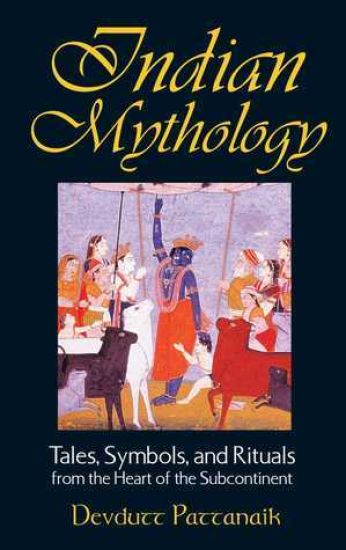
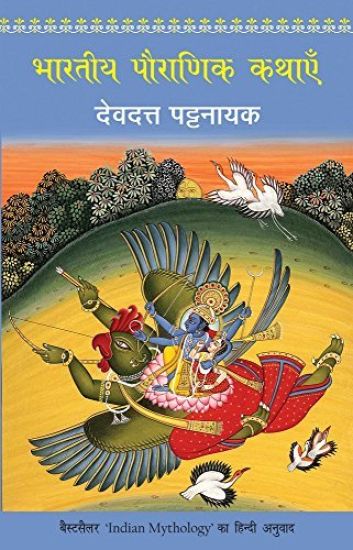
From the blood-letting Kali to the mysterious Ganesha, the Hindu spiritual landscape is populated by characters that find no parallel in the Western spiritual world. Indian Mythologyexplores the rich tapestry of these characters within 99 classic myths, showing that the mythological world of India can be best understood when we move away from a Western, monotheistic mindset and into the polytheistic world of Hindu traditions. Featuring 48 artistic renderings of important mythological figures from across India, the author unlocks the mysteries of the narratives, rituals, and artwork of ancient India to reveal the tension between world-affirming and world-rejecting ideas, between conformism and contradiction, between Shiva and Vishnu, Krishna and Rama, Gauri and Kali. This groundbreaking book opens the door to the unknown and exotic, providing a glimpse into the rich mythic tradition that has empowered millions of human beings for centuries.
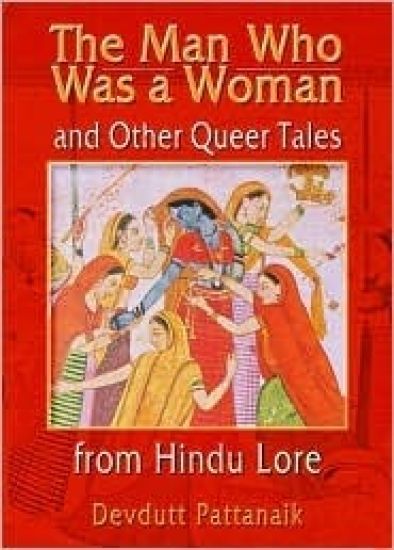
The Man Who Was a Woman and Other Queer Tales from Hindu Lore
Devdutt Pattanaik
Routledge Member of the Taylor and Francis Group
2002
sidottu
A god transforms into a nymph and enchants another god.A king becomes pregnant.A prince discovers on his wedding night that he is not a man.Another king has children who call him both father and mother. A hero turns into a eunuch and wears female apparel. A princess has to turn into a man before she can avenge her humiliation. Widows of a king make love to conceive his child. Friends of the same sex end up marrying each other after one of them metamorphoses into a woman. These are some of the tales from Hindu lore that this unique book examines. The Man Who Was a Woman and Other Queer Tales from Hindu Lore is a compilation of traditional Hindu stories with a common thread: sexual transformation and gender metamorphosis. In addition to the thought-provoking stories in The Man Who Was a Woman and Other Queer Tales from Hindu Lore, you'll also find: an examination of the universality of queer narratives with examples from Greek lore and Irish folklore a comparison of the Hindu paradigm to the biblical paradigm a look at how Hindu society and Hindu scripture responds to queer sexuality a discussion of the Hijras, popularly believed to be the “third gender” in India--their probable origin, and how they fit into Hindu societyWith the telling of each of these tales, you will also learn how the author came upon each of them and how they relate to the context of dominant Hindu attitudes toward sex, gender, pleasure, fertility, and celibacy.
The Man Who Was a Woman and Other Queer Tales from Hindu Lore
Devdutt Pattanaik
Routledge Member of the Taylor and Francis Group
2001
nidottu
A god transforms into a nymph and enchants another god.A king becomes pregnant.A prince discovers on his wedding night that he is not a man.Another king has children who call him both father and mother. A hero turns into a eunuch and wears female apparel. A princess has to turn into a man before she can avenge her humiliation. Widows of a king make love to conceive his child. Friends of the same sex end up marrying each other after one of them metamorphoses into a woman. These are some of the tales from Hindu lore that this unique book examines. The Man Who Was a Woman and Other Queer Tales from Hindu Lore is a compilation of traditional Hindu stories with a common thread: sexual transformation and gender metamorphosis. In addition to the thought-provoking stories in The Man Who Was a Woman and Other Queer Tales from Hindu Lore, you'll also find: an examination of the universality of queer narratives with examples from Greek lore and Irish folklore a comparison of the Hindu paradigm to the biblical paradigm a look at how Hindu society and Hindu scripture responds to queer sexuality a discussion of the Hijras, popularly believed to be the “third gender” in India--their probable origin, and how they fit into Hindu societyWith the telling of each of these tales, you will also learn how the author came upon each of them and how they relate to the context of dominant Hindu attitudes toward sex, gender, pleasure, fertility, and celibacy.
In Meri Gita, acclaimed mythologist Devdutt Pattanaik demystifes The Bhagavad Gita for the contemporary reader. His unique approach-thematic rather than verse-by-verse-makes the ancient treatise eminently accessible, combined as it is with his trademark illustrations and simple diagrams. In a world that seems spellbound by argument over dialogue, vi-vaad over sam-vaad, Devdutt highlights how Krishna nudges Arjuna to understand rather than judge his relationships. This becomes relevant today when we are increasingly indulging and isolating the self (self-improvement, self-actualization, self-realization-even selfes ).We forget that we live in an ecosystem of others, where we can nourish each other with food, love and meaning, even when we fght. So let My Gita inform your Gita
सकारात्मक ऊर्जा के लिए हिन्दू धर्म की सबसे लोकप्रिय प्रार्थनाओं में से एक - हनुमान चालीसा प्रशंसित पौराणिक कथाकार देवदत्त पटनायक ने समकालीन पाठक के लिए हनुमान चालीसा की गूढ़ता को अपने शब्दों में सरल बनाया है । उनका अनूठा दृष्टिकोण इस प्राचीन भजन को सुलभ बना देता है, क्योंकि यह उनके अपने ट्रेडमार्क चित्रों के साथ है। जब भी हम इस संसार में अपने आप में नकारात्मकता का अनुभव करते हैं, या ईर्ष्या, क्रोध और हताशा को अपराध और हिंसा में परिवर्तित होते हुए अनुभव करते हैं, तब हम में से ज़्यदातर लोग हनुमान चालीसा ही सुनते या पढ़ते हैं I चार सौ साल पूर्व तुलसीदास द्वारा अवधी भाषा में सरल शब्दों में लिखे गए इसके दोहे और चौपाइयाँ संगीतबद्ध रूप में हनुमानजी के बारे में पौराणिक ज्ञान, ऐसतिहासिक तथ्यों व रहस्य को उजागर करते हैं I हनुमानजी हिन्दुओं के प्रिय देवता हैं, जिनके माध्यम से वैदिक ज्ञान लोगों तक पहुँचता है I इन छंदों को पढ़ते-सुनते हुए भयभीत व विचलित मन, ज्ञान व अंतर्दृष्टि से आलोकित हो जाता है तथा मानवता में हमारा विश्वास और भी बढ़ जाता है I
पौराणिक कथा आणि दंतकथा यांचे ख्यातकीर्त अभ्यासक देवदत्त पट्टनायक यांनी 'माझी गीता' या ग्रंथात आजच्या वाचकासाठी भगवद्गीतेचे गूढ उकलून दाखवण्याचा प्रयत्न केलेला आहे. या ग्रंथाचे वैशिष्ट्य म्हणजे पट्टनायकांनी गीतेची श्लोकानुसारी मांडणी न करता विषयानुसारी मांडणी केली आहे. त्यामुळे हा आर्षकालीन ज्ञानाचा खजिना सर्वांना अगदी सहज आजच्या भाषेत उपलब्ध झालेला आहे. सखोल विवेचनासह या पुस्तकात पट्टनायक यांनी स्वतःच रेखाटलेल्या विविध आकृत्या आणि चित्रे ही पट्टनायकांची निजखूण आहे असेच म्हटले पाहिजे. संवादापेक्षा विवादालाच भुलणाऱ्या या जगात कृष्ण अर्जुनाला त्याच्या नातेसंबंधांविषयी कसलाही पूर्वग्रह मनात न ठेवता ते समजून घेण्यासाठी प्रवृत्त करतो, याकडे पट्टनायकांनी आपले लक्ष वेधलेले आहे. आज आपण अधिकाधिक आत्मरत आणि आत्मकेंद्री (स्व-सुधारणा, स्वजाणीव आत्मानुभव स्वप्रतिमादेखील ) होत असताना हे विचार - महत्त्वाचे ठरतात. आपण परस्परावलंबी जीवन जगत असतो, याचाच विसर आपल्याला पडतो; जिथे आपल्यांत विवाद असूनही अन्न, प्रेम आणि आदर यांद्वारे आपण परस्परांचे पोषण करू शकतो. तेव्हा 'माझी गीता' आणि तुमची गीता यांचा एक सुखद संगम आपण अनुभवू या
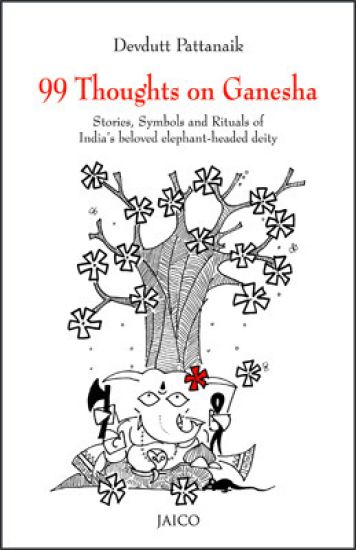
Fear and uncertainty envelope him; between him and his achievement stand hurdles, both real and imaginary: a possible spin from the bowler can overwhelm him, his own anxiety can paralyze him, cheering fans can distract him. He needs divine intervention then. He needs to focus, get rid of all hurdles, perform, get the final run, and achieve what he so longs for. In other words, he needs to think of Ganapati. This book brings together 99 meditations to better understand the stories, symbols and rituals of that ador-able elephant-headed Hindu god who removes hurdles and brings prosperity and peace. Known variously as Ganapati, Gajanana, Vinayaka or Pillayar, he can help all of us score a century in the game called life...
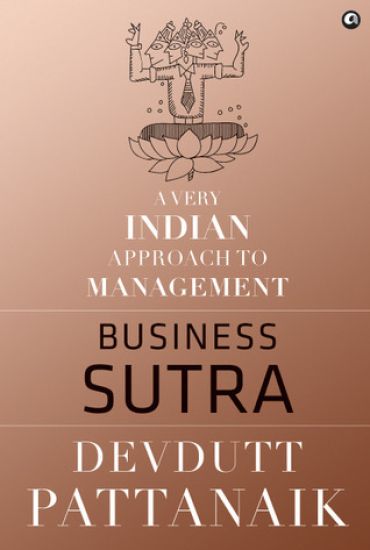
Business Sutra: A very Indian Approach to Management is a radical, nuanced approach to management, business and leadership in a progressively polarized world. In this landmark book, bestselling author, leadership coach and mythologist Devdutt Pattanaik shows how, despite its veneer of objectivity, modern management is rooted in Western beliefs and obsessed with accomplishing rigid objectives and increasing shareholder value. By contrast, the Indian way of doing business, as apparent in Indian mythology but no longer seen in practice accommodates subjectivity and diversity, and offers an inclusive, more empathetic way of achieving success. Great value is placed on darshan, that is, on how we see the world and our relationship with Lakshmi, the goddess of wealth. Business Sutra uses stories, symbols and rituals drawn from Hindu, Jain and Buddhist mythology to understand a wide variety of business situations that range from running a successful tea stall to nurturing talent in a large multinational corporation. At the heart of the book is a compelling premise: if we believe that wealth needs to be chased, the workplace becomes a rana-bhoomi - a battleground of investors, regulators, employers, employees, vendors, competitors and customers; if we believe that wealth needs to be attracted, the workplace becomes a ranga-bhoomi - a playground where everyone is happy
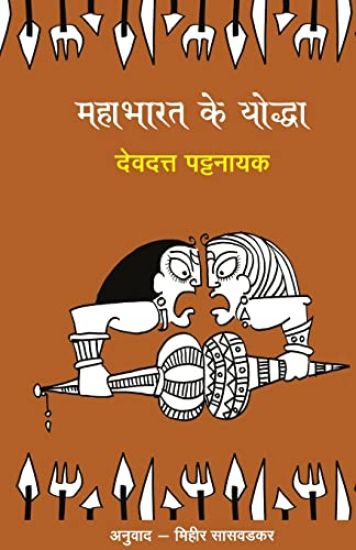
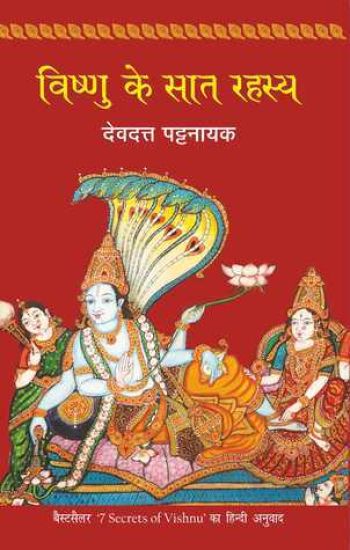
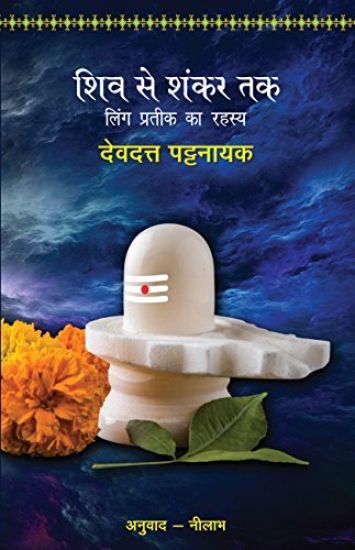
महाभारत के योद्धा में भारतीय मिथकों के सुपरिचित विशेषज्ञ देवदत्त पट्टनायक ने 'महाभारत' को एक बिल्कुल नई प्रस्तुति दी है। 'महाभारत' एक विशाल महाकाव्य है जो प्राचीन काल से हमारे देश के कोने-कोने में आज तक लोकप्रिय है। मूल कथा है पाँच पांडव और सौ कौरवों के बीच अलग-अलग समय पर हुए टकरावों की, जो आखिर में अठारह दिन के निर्णायक युद्ध से समाप्त होता है। पांडव और कौरवों के बीच यह युद्ध धर्म और अधर्म, सही और गलत, न्याय और अन्याय के मुद्दों को लेकर हुआ था। 'महाभारत' की लम्बी गाथा को लेखक ने सरल और रोचक तरीके से प्रस्तुत किया है और उनके द्वारा बनाये हुए चित्र पुस्तक के आकर्षण को बढ़ाते हैं। पौराणिक कहानियों, मिथकों, संस्कारों और रीति-रिवाज़ों का आधुनिक ज़िन्दगी में महत्त्व के विषय पर देवदत्त पट्टनायक 1996 से लगातार लिखते आ रहे हैं और अब तक उनकी 50 पुस्तकें और 1000 से अधिक स्तम्भ प्रकाशित हो चुके हैं। वे कई टीवी चैनल और कम्पनियों के लिए लीडरशिप और शासन-विधि के क्षेत्र में सलाहकार के रूप में काम करते हैं। 'देवलोक' और 'बिज़नेस सूत्र' उनके लोकप्रिय टीवी कार्यक्रम हैं। शिव के सात रहस्य, विष्णु के सात रहस्य, देवी के सात रहस्य, भारतीय पौराणिक कथाएँ, भारत में देवी, पशु, सीता के पाँच निर्णय, शिव से शंकर और ओलिम्पस उनकी अन्य बहुचर्चित पुस्तकें हैं। लेखक के बारे में पर आप और अधिक जानकारी प्राप्त कर सकते हैं।
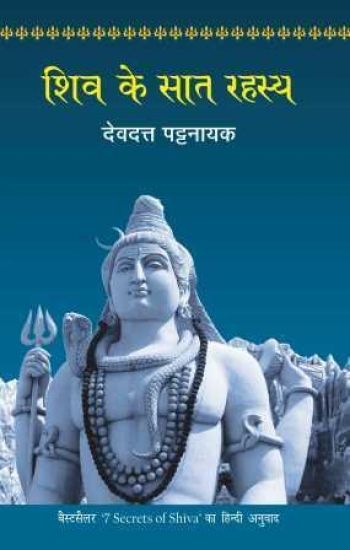
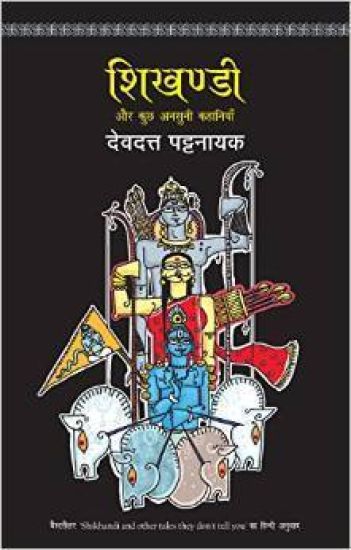
Patriarchy asserts that men are superior to women, feminism clarifies that women and men are equal, and queerness questions what constitutes male and female. One of the few people to talk frankly and sensitively about queerness and religion, celebrated Indian mythologist Devdutt Pattanaik explains that queerness isn't only modern, Western, or sexual. Rather, by looking at the vast written and oral traditions of Hinduism, he finds many overlooked tales with queerness at their center, some over two thousand years old. There's Shikhandi, who became a man to satisfy her wife; Mahadeva, who became a woman to deliver her devotee's child; Chudala, who became a man to enlighten her husband; Samavan, who became the wife of his male friend--and many, many more. In Shikhandi, and Other Tales They Don't Tell You, Pattanaik recounts these stories and explores the importance of mythologies in understanding the modern Indian mindset. Playful, touching, and sometimes disturbing, when Shikhandi's stories are compared with their Mesopotamian, Greek, Chinese, and Biblical counterparts, they reveal the unique Indian way of making sense of queerness. "Pattanaik is a master storyteller" --Bibek Debroy, translator of The Bhagavad Gita