Kirjojen hintavertailu. Mukana 12 083 983 kirjaa ja 12 kauppaa.

Kirjahaku

Etsi kirjoja tekijän nimen, kirjan nimen tai ISBN:n perusteella.

14 kirjaa tekijältä Dick Weissman

Blues: The Basics

Blues: The Basics

Dick Weissman

Routledge
2004
sidottu
Blues: The Basics offers a concise introduction to a century of the blues. Organized chronologically, it focuses on the major eras in the growth and development of this popular musical style. Material includes: a definition of the blues and the major genres within it key artists such as Ma Rainey, Bessie Smith, Robert Johnson and Blind Lemon Jefferson key recordingsComplete with timelines and suggestions for further investigation, this fascinating overview is ideal for students and interested listeners.
Blues: The Basics

Blues: The Basics

Dick Weissman

Routledge
2004
nidottu
Blues: The Basics offers a concise introduction to a century of the blues. Organized chronologically, it focuses on the major eras in the growth and development of this popular musical style. Material includes: a definition of the blues and the major genres within it key artists such as Ma Rainey, Bessie Smith, Robert Johnson and Blind Lemon Jefferson key recordingsComplete with timelines and suggestions for further investigation, this fascinating overview is ideal for students and interested listeners.
Guitar Tunings

Guitar Tunings

Dick Weissman

Routledge
2006
nidottu
For many beginning-to-intermediate level guitarists, guitar tunings are a mystery. Everyone begins with "standard" tuning and knows its basic strengths - and limitations. But, once a guitarist gets beyond basic skills, the desire to play in different styles and achieve individual sounds leads inevitably to exploring alternate tunings. Guitar Tunings: AComprehensive Guide is the first book to offer practical advice for how to use the most common special tunings for the greatest creative and musical effect. Illustrated throughout with examples in standard notation and guitar tablature, the author introduces different musical styles through the use of appropriate tunings. Including downloadable resources, this book gives clear and concise instruction for the guitarist who has mastered basic skills but wants to go beyond them. It will appeal to guitar students of all ages, and can be used for individual self-instruction or in one-on-one or group teaching situations. In short, Guitar Tunings: A Comprehensive Guide offers a comprehensive approach for all guitarists to enhance their playing skills and creative music making. Also includes 75 musical examples.
The Music Business

The Music Business

Dick Weissman

Crown Publications
2003
pokkari
The Must-Have Guide for Breaking into the Music Business Completely revised and updated for the twenty-first century, The Music Business provides essential career advice and information on how to get started and advance in all areas of the music industry--from an author who's had careers in music as an artist and professor for more than two decades. This comprehensive volume gives you guidance and information on: - Starting your music career- The ins and outs of recording contracts- Record producing and music engineering - The distribution and sale of records- The Internet and MP3s, and their effects on the music industry- The latest computer programs- Copyright law- Composing music and songwriting- Music education- The international music industry- And much more . . . The Music Business is an indispensable reference for anyone who wants to begin a career in any of the industry's facets, as well as an invaluable aid to professional and would-be professional musicians alike.
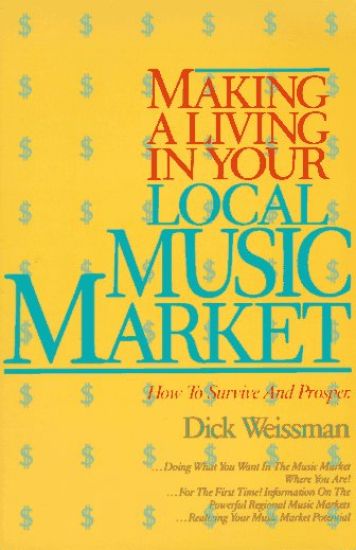
Making a Living in Your Local Music Market

Making a Living in Your Local Music Market

Dick Weissman

Hal Leonard Corporation
1999
nidottu
You can survive happily as a musician in your own local music market! The newly revised and expanded edition of this book will show you how. It includes detailed analysis of the latest regional music scenes that have developed; an extensive new section (written by Ron Sobel - vice president of ASCAP in Los Angeles) on opportunities for musicians and composers in developing and selling music in new mediums including the Internet, Greenhouse Channels, Theme Parks, and Desk Top Films; info on how music distribution and retailing is changing the meet the challenges of the 21st century; and many more essential tips. Also features a new appendix and a helpful Resources section after each chapter.
100 Books Every Folk Music Fan Should Own

100 Books Every Folk Music Fan Should Own

Dick Weissman

Rowman Littlefield Publishers
2014
sidottu
In recent years an almost overwhelming number of books have appeared covering various aspects of American folk music and its history. Before 1970, most comprised collections of songs with a sprinkling of biographical information on noted performers. Over the past decade, however, scholars, journalists, and folk artists themselves have contributed biographies and autobiographies, instructional books and historical surveys, sociological studies and ethnographic analyses of this musical genre. In 100 Books Every Folk Music Fan Should Own, performer and historian Dick Weissman offers a reliable route through the growing sea of book-length studies, establishing for future scholars a foundation for their research. Beginning with early twentieth-century collections of folk songs, the author brings readers to the present by exploring modern studies of important events, critical collections of primary sources, the most significant musical instruction guides, and in-depth portraits of traditional and contemporary American folk musicians. For each title selected, Weissman provides his own brief summary of its contents and assessment of its significance for the reader—whether fan or scholar. Folk music fans, scholars, and students of the American folk music tradition—indeed, any reader seeking guidance on the best books in the field—will want a copy of this vital work.
Guitar Tunings

Guitar Tunings

Dick Weissman

Routledge
2016
sidottu
For many beginning-to-intermediate level guitarists, guitar tunings are a mystery. Everyone begins with "standard" tuning and knows its basic strengths - and limitations. But, once a guitarist gets beyond basic skills, the desire to play in different styles and achieve individual sounds leads inevitably to exploring alternate tunings. Guitar Tunings: AComprehensive Guide is the first book to offer practical advice for how to use the most common special tunings for the greatest creative and musical effect. Illustrated throughout with examples in standard notation and guitar tablature, the author introduces different musical styles through the use of appropriate tunings. Including downloadable resources, this book gives clear and concise instruction for the guitarist who has mastered basic skills but wants to go beyond them. It will appeal to guitar students of all ages, and can be used for individual self-instruction or in one-on-one or group teaching situations. In short, Guitar Tunings: A Comprehensive Guide offers a comprehensive approach for all guitarists to enhance their playing skills and creative music making. Also includes 75 musical examples.
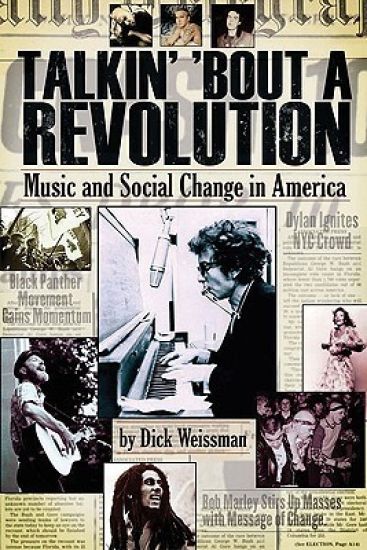
Talkin' 'Bout a Revolution

Talkin' 'Bout a Revolution

Dick Weissman

Backbeat Books
2010
nidottu
ÊTalkin' 'Bout a RevolutionÊ is a comprehensive guide to the relationship between American music and politics. Music expert Dick Weissman opens with the dawn of American history then moves to the book's key focus: 20th-century music ä songs by and about Native Americans African-Americans women Spanish-speaking groups and more. Unprecedented in its approach the book offers a multidisciplinary discussion that is broad and diverse and illuminates how social events impact music as well as how music impacts social events. Weissman delves deep covering everything from current Native American music to music of hate ä racist and neo-Nazi music ä to the music of the Gulf wars union songs patriotic and antiwar songs and beyond. A powerful tool for professors teaching classes about politics and music and a stimulating accessible read for all kinds of appreciators from casual music fans to social science lovers and devout music history buffs.
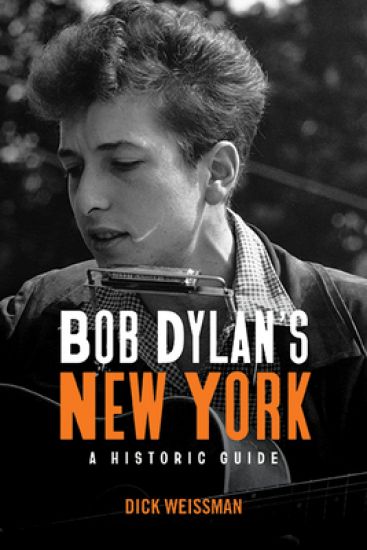
Bob Dylan's New York

Bob Dylan's New York

Dick Weissman

STATE UNIVERSITY OF NEW YORK PRESS
2022
pokkari
A walking tour and history of Bob Dylan's life and time in New York, from Greenwich Village to Woodstock.Bob Dylan's New York is a guidebook and a history of New York's key role through Dylan's lengthy career. It places Dylan's early career in the storied history of Greenwich Village, a hotbed of new developments in the arts. A contemporary of Dylan's, author Dick Weissman walked the same streets, played music in the same venues, and witnessed the growth of the folk music revival from before Dylan became popular to after the height of his impact on the music scene. The book features ten easy-to-follow walking maps and historic photographs, allowing the reader to retrace Dylan's footsteps and simultaneously experience Dylan's New York and contemporary New York. It also goes beyond the Village to include the many areas of the city where Dylan lived and worked, as well as the storied time he spent in Woodstock. Combining cultural history with personal history and anecdotes, Bob Dylan's New York illuminates the life and times of this seminal artist.
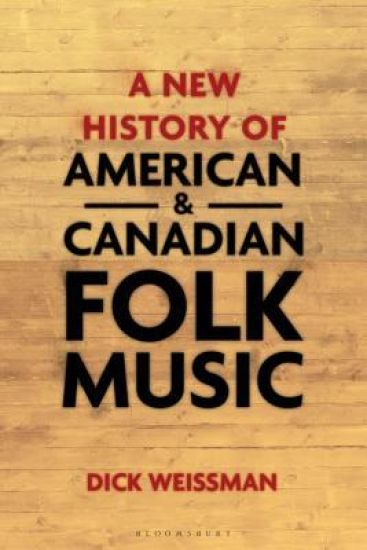
A New History of American and Canadian Folk Music

A New History of American and Canadian Folk Music

Dick Weissman

Bloomsbury Academic USA
2019
nidottu
Building on his 2006 book, Which Side Are You On?, Dick Weissman’s A New History of American and Canadian Folk Music presents a provocative discussion of the history, evolution, and current status of folk music in the United States and Canada. North American folk music achieved a high level of popular acceptance in the late 1950s. When it was replaced by various forms of rock music, it became a more specialized musical niche, fragmenting into a proliferation of musical styles. In the pop-folk revival of the 1960s, artists were celebrated or rejected for popularizing the music to a mass audience. In particular the music seemed to embrace a quest for authenticity, which has led to endless explorations of what is or is not faithful to the original concept of traditional music. This book examines the history of folk music into the 21st century and how it evolved from an agrarian style as it became increasingly urbanized. Scholar-performer Dick Weissman, himself a veteran of the popularization wars, is uniquely qualified to examine the many controversies and musical evolutions of the music, including a detailed discussion of the quest for authenticity, and how various musicians, critics, and fans have defined that pursuit.
A New History of American and Canadian Folk Music

A New History of American and Canadian Folk Music

Dick Weissman

Bloomsbury Academic USA
2019
sidottu
Building on his 2006 book, Which Side Are You On?, Dick Weissman’s A New History of American and Canadian Folk Music presents a provocative discussion of the history, evolution, and current status of folk music in the United States and Canada. North American folk music achieved a high level of popular acceptance in the late 1950s. When it was replaced by various forms of rock music, it became a more specialized musical niche, fragmenting into a proliferation of musical styles. In the pop-folk revival of the 1960s, artists were celebrated or rejected for popularizing the music to a mass audience. In particular the music seemed to embrace a quest for authenticity, which has led to endless explorations of what is or is not faithful to the original concept of traditional music. This book examines the history of folk music into the 21st century and how it evolved from an agrarian style as it became increasingly urbanized. Scholar-performer Dick Weissman, himself a veteran of the popularization wars, is uniquely qualified to examine the many controversies and musical evolutions of the music, including a detailed discussion of the quest for authenticity, and how various musicians, critics, and fans have defined that pursuit.
A History of Black Musical Influence and Appropriation in the United States
Black music has long played a dominant role in American music and has frequently been taken over and popularized by white musicians. This book presents an overview of this influence, as well as discussions of how white musicians, corporations, and entrepreneurs appropriated, adapted, and even stole this music. It addresses why and how this occurred throughout recent history and in a variety of musical idioms. Examples discussed include the convoluted history of the minstrel era, Black pop and rock artists, white blues, jazz, rhythm and blues, and hip-hop musicians. Further examination into American music then reveals how Black musicians rebelled against the white domination of swing music, and how African Americans have influenced classical music compositions and performance styles. The book highlights the prevalence and importance of Black music in virtually every American music style, the often-hidden or little-noticed interactions of Black and white musicians, and it answers questions about how the music business succeeded in monetizing Black musical styles to market this music to mass audiences.
A History of Black Musical Influence and Appropriation in the United States
Black music has long played a dominant role in American music and has frequently been taken over and popularized by white musicians. This book presents an overview of this influence, as well as discussions of how white musicians, corporations, and entrepreneurs appropriated, adapted, and even stole this music. It addresses why and how this occurred throughout recent history and in a variety of musical idioms. Examples discussed include the convoluted history of the minstrel era, Black pop and rock artists, white blues, jazz, rhythm and blues, and hip-hop musicians. Further examination into American music then reveals how Black musicians rebelled against the white domination of swing music, and how African Americans have influenced classical music compositions and performance styles. The book highlights the prevalence and importance of Black music in virtually every American music style, the often-hidden or little-noticed interactions of Black and white musicians, and it answers questions about how the music business succeeded in monetizing Black musical styles to market this music to mass audiences.