Kirjojen hintavertailu. Mukana 11 699 587 kirjaa ja 12 kauppaa.

Kirjahaku

Etsi kirjoja tekijän nimen, kirjan nimen tai ISBN:n perusteella.

14 kirjaa tekijältä Dieter Helm

Green and Prosperous Land

Green and Prosperous Land

Dieter Helm

William Collins
2020
nidottu
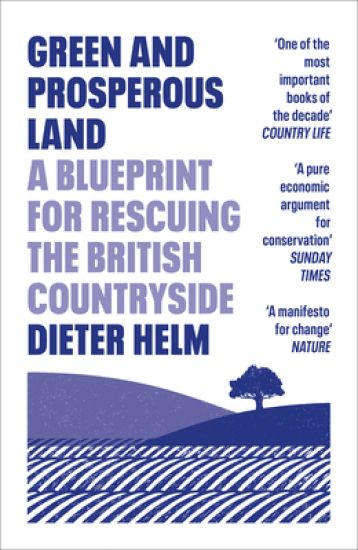
‘One of the most important books of the decade’ Country Life Finally, a practical, realistic plan to rescue, preserve and enhance nature. News about Britain’s wildlife and ecosystems tends to be grim. In Green and Prosperous Land, Oxford economist and Natural Capital Committee chair Dieter Helm shares his radical but tangible plan for positive change. This pragmatic approach to environmentalism includes a summary of Britain’s green assets, a look towards possible futures and an achievable 25-year plan for a green and prosperous country. The bold generational plan assesses the environment as a whole, explains the necessity of protecting and enhancing our green spaces and offers a clear, financially sound strategy to put Britain on a greener path. Helm’s arguments expose the economic inefficiencies in our environmental policies and thus highlight the need for change. Leaving behind the current sterile and ineffective battle between the environment and the economy, this revolutionary plan champions the integration of the economy and the environment together to deliver sustainable, eco-friendly economic growth. There is hope, and there is time, but we must act now.
Net Zero

Net Zero

Dieter Helm

William Collins
2020
sidottu
What can we really do about the climate emergency? The inconvenient truth is that we are causing the climate crisis with our carbon intensive lifestyles and that fixing – or even just slowing – it will affect all of us. But it can be done. In Net Zero, economist Dieter Helm addresses the action we all need to take to tackle the climate emergency: personal, local, national and global. Reducing our own carbon consumption is the first step. Helm argues that we, the ultimate polluters, should pay based on how much carbon the products we buy produce. We need a carbon price, and one that applies to everything and everywhere, from flights, to food and farming. The goal of net zero carbon emissions needs a rethink and this book sets out how to do it in a plan that could and would work. Do this and we make no further contribution to global warming, in a way that embraces sustainable economic growth and does not harm other aspects of the environment in the process. There is a solution and we must find it. Everything is at stake.
Net Zero

Net Zero

Dieter Helm

William Collins
2021
nidottu
What can we really do about the climate emergency? The inconvenient truth is that we are causing the climate crisis with our carbon intensive lifestyles and that fixing – or even just slowing – it will affect all of us. But it can be done. In Net Zero the economist Professor Dieter Helm addresses the action we would all need to take, whether personal, local, national or global, if we really wanted to stop causing climate change. Net Zero is Professor Dieter Helm’s measured, balanced view of how we stop causing climate change by adopting a net zero strategy of reducing carbon emissions and increasing carbon absorption. It is a rational look at why the past 30 years efforts has failed and why and how the next 30 years can succeed. It is a vital book for anyone who hears the clamour of Extinction Rebellion and other ecological activists, but wonders what they can actually do.
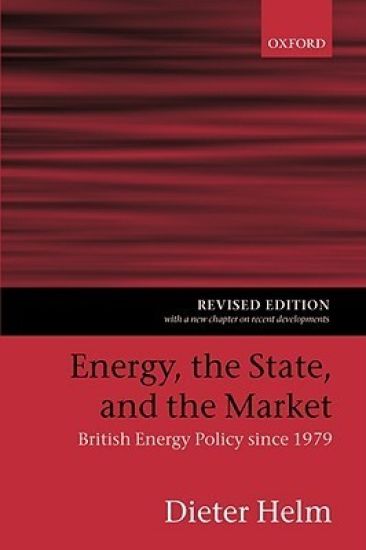
Energy, the State, and the Market

Energy, the State, and the Market

Dieter Helm

Oxford University Press
2003
sidottu
This survey of British energy policy since 1979 blends economic analysis with political and historical narrative. It traces the way in which political pressures from the proponents of nationalization and privatization, as well as environmentalists, have affected the development of an industry which forms a significant part of the national economy.
Energy, the State, and the Market

Energy, the State, and the Market

Dieter Helm

Oxford University Press
2004
nidottu
The transformation of Britain's energy policy in the last two decades has been more radical than any such change in developed economies. Since 1979 the great state energy monopolies created after the Second World War have been privatised and made subject to competition. Images of Arthur Scargill and the miners' strike of the 1980s remain vivid, but what effect has the new market philosophy had on Britain's energy industries? Since 1979 the National Coal Board, British Gas, and the Central Electricity Generating Board have all been broken up. Energy trading, electricity pools, auctions, and futures markets first developed, but they failed to solve the old energy policy problems of security of supply and network integrity, and the new ones of the environment and reliance on gas. The government introduced a new regulatory regime as a temporary necessity but regulation did not wither away, rather it grew to be more pervasive. Changing the ownership of the industries did not reduce the government's involvement, it simply changed its form. The 1980s and 1990s were years of energy surpluses and low fossil-fuel prices. There was little need to invest, and much of the investment in the so-called dash for gas was artificially stimulated. The new owners sweated the assets, and engaged in major financial engineering. Takeovers consolidated the industry into a smaller number of dominant firms. As investment priorities became more urgent, with the environmental pressures of climate change and the gradual switch to imported gas, the market philosophy was found wanting. Energy policy could not rely solely on the market. And it is the government which finds itself responsible for resolving the core issues of energy policy. Helm's book tells this story. It is a major study of the new market approach to energy policy in Britain since 1979. It describes the miners' strike, the privatisations of the gas, electricity, nuclear generation, and coal industries, and looks at events such as the dash for gas, regulatory failures in setting monopoly prices, and the takeovers and the consolidations of the late 1990s. Helm sets out the achievements of the new market philosophy, but also analyses why it has ultimately failed to turn energy industries into normal commodity businesses. The revised paperback edition includes a new chapter on the White Paper on a low-carbon economy and updated discussions on nuclear power, to incorporate the 2003 Nuclear White Paper, price reviews, and emissions trading.
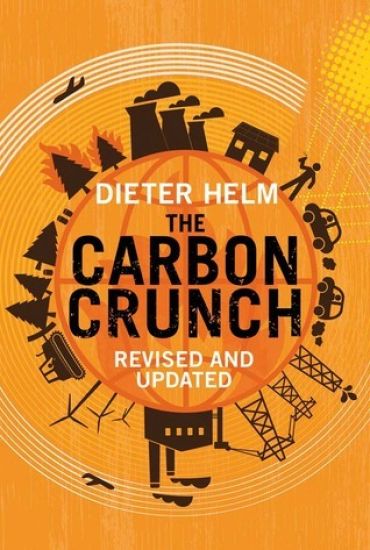
The Carbon Crunch

The Carbon Crunch

Dieter Helm

Yale University Press
2015
pokkari
In a new edition of his hard-hitting book on climate change, economist Dieter Helm looks at how and why we have failed to tackle the issue of global warming and argues for a new, pragmatic rethinking of energy policy. “An optimistically levelheaded book about actually dealing with global warming.”—Kirkus Reviews, starred review “[Dieter Helm] has turned his agile mind to one of the great problems of our age: why the world’s efforts to curb the carbon dioxide emissions behind global warming have gone so wrong, and how it can do better.”—Pilita Clark, Financial Times
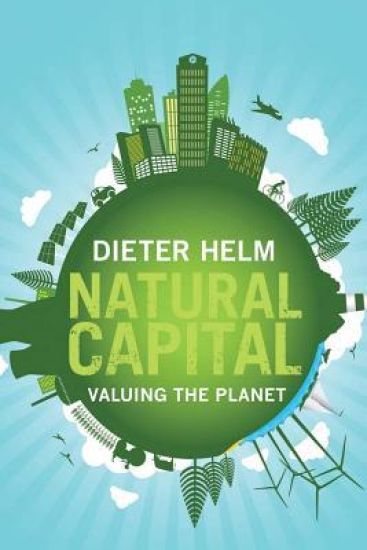
Natural Capital

Natural Capital

Dieter Helm

Yale University Press
2016
pokkari
Hard-hitting recommendations for what must be done to manage global natural capital and reverse environmental destruction Natural capital is what nature provides to us for free. Renewables—like species—keep on coming, provided we do not drive them towards extinction. Non-renewables—like oil and gas—can only be used once. Together, they are the foundation that ensures our survival and well-being, and the basis of all economic activity. In the face of the global, local, and national destruction of biodiversity and ecosystems, economist Dieter Helm here offers a crucial set of strategies for establishing natural capital policy that is balanced, economically sustainable, and politically viable. Helm shows why the commonly held view that environmental protection poses obstacles to economic progress is false, and he explains why the environment must be at the very core of economic planning. He presents the first real attempt to calibrate, measure, and value natural capital from an economic perspective and goes on to outline a stable new framework for sustainable growth. Bristling with ideas of immediate global relevance, Helm’s book shifts the parameters of current environmental debate. As inspiring as his trailblazing The Carbon Crunch, this volume will be essential reading for anyone concerned with reversing the headlong destruction of our environment.
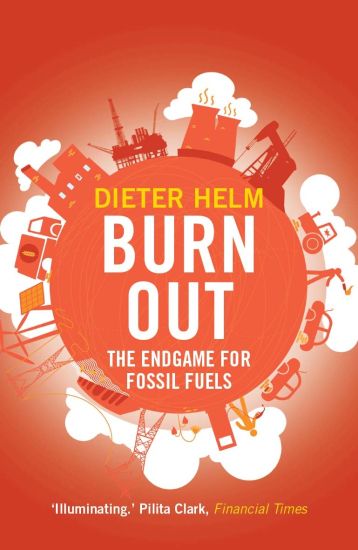
Burn Out

Burn Out

Dieter Helm

Yale University Press
2018
pokkari
An energy revolution is under way with far-reaching consequences for nations, companies, and the way we address climate change Low oil prices are sending shockwaves through the global economy, and longtime industry observer Dieter Helm explains how this and other shifts are the harbingers of a coming energy revolution and how the fossil fuel age will come to an end. Surveying recent surges in technological innovations, Helm’s provocative new book documents how the global move toward the internet-of-things will inexorably reduce the demand for oil, gas, and renewables—and prove more effective than current efforts to avert climate change. Oil companies and energy utilities must begin to adapt their existing business models or face future irrelevancy. Oil-exporting nations, particularly in the Middle East, will be negatively impacted, whereas the United States and European countries that are investing in new technologies may find themselves leaders in the geopolitical game. Timely and controversial, this book concludes by offering advice on what governments and businesses can and should do now to prepare for a radically different energy future.
Legacy

Legacy

Dieter Helm

Cambridge University Press
2023
pokkari
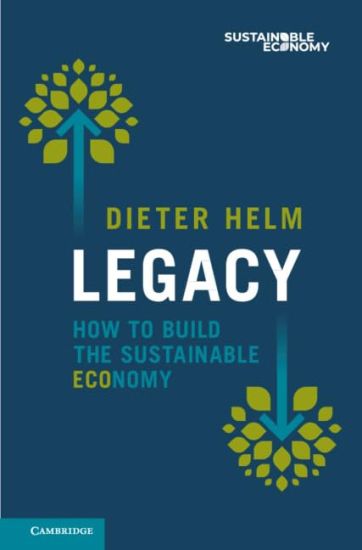
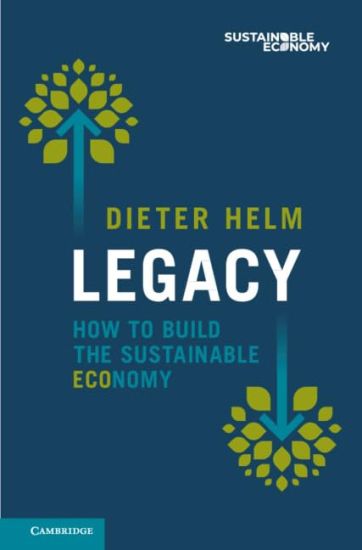
What would a sustainable economy look like? What would it take to live within our environmental means? Legacy answers these and other questions, setting out the key features of the sustainable economy. It explains what it would take to properly maintain different types of capital, why polluters would have to pay, why the current generation would have to fund the necessary maintenance of our natural assets, and why we would have to save to invest. The message is a tough one: we are way off course in terms of meeting these conditions and we cannot escape the consequences. This book explains what we would have to do to mend our ways. In doing so, it highlights the feebleness of current approaches to net zero and biodiversity loss as well as our great neglect of the core infrastructures, and why we are not meeting our duties to the next generation. This title is Open Access.
Legacy

Legacy

Dieter Helm

Cambridge University Press
2023
sidottu
What would a sustainable economy look like? What would it take to live within our environmental means? Legacy answers these and other questions, setting out the key features of the sustainable economy. It explains what it would take to properly maintain different types of capital, why polluters would have to pay, why the current generation would have to fund the necessary maintenance of our natural assets, and why we would have to save to invest. The message is a tough one: we are way off course in terms of meeting these conditions and we cannot escape the consequences. This book explains what we would have to do to mend our ways. In doing so, it highlights the feebleness of current approaches to net zero and biodiversity loss as well as our great neglect of the core infrastructures, and why we are not meeting our duties to the next generation. This title is Open Access.
Einführung in die Biologie

Einführung in die Biologie

Dieter Helm

Lulu.com
2010
pokkari
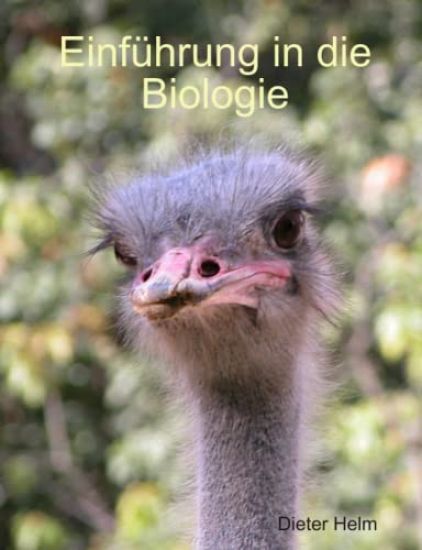
Eine kurze, leicht verst ndliche und einf hlsam geschriebene Einf hrung in die Biologie zur Vorbereitung auf das Studium f r alle interessierten Oberstufensch ler ab ca. 16-18 Jahren, auch geeignet f r die ersten Semester. Mit einem Extrakapitel "Berufskunde f r Biologen".