Kirjojen hintavertailu. Mukana 11 627 670 kirjaa ja 12 kauppaa.

Kirjahaku

Etsi kirjoja tekijän nimen, kirjan nimen tai ISBN:n perusteella.

8 kirjaa tekijältä Dirk Uffelmann

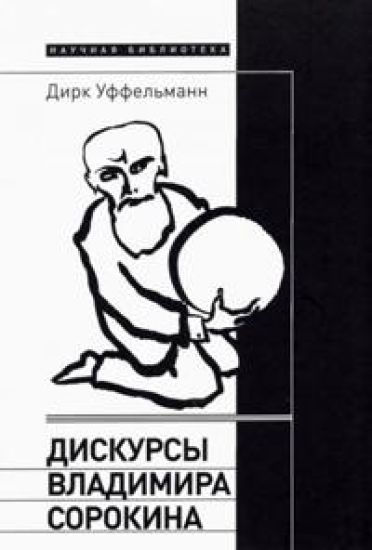
Vladimir Sorokin's Discourses

Vladimir Sorokin's Discourses

Dirk Uffelmann

Academic Studies Press
2020
sidottu
Vladimir Sorokin is the most prominent and the most controversial contemporary Russian writer. Having emerged as a prose writer in Moscow's artistic underground in the late 1970s and early 80s, he became visible to a broader Russian audience only in the mid-1990s, with texts shocking the moralistic expectations of traditionally minded readers by violating not only Soviet ideological taboos, but also injecting vulgar language, sex, and violence into plots that the postmodernist Sorokin borrowed from nineteenth-century literature and Socialist Realism. Sorokin became famous when the Putin youth organization burned his books in 2002 and he picked up neo-nationalist and neo-imperialist discourses in his dystopian novels of the 2000s and 2010s, making him one of the fiercest critics of Russia's "new middle ages," while remaining steadfast in his dismantling of foreign discourses.
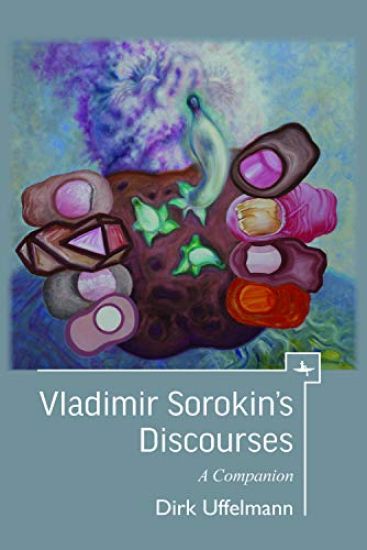
Vladimir Sorokin's Discourses

Vladimir Sorokin's Discourses

Dirk Uffelmann

Academic Studies Press
2020
pokkari
Vladimir Sorokin is the most prominent and the most controversial contemporary Russian writer. Having emerged as a prose writer in Moscow's artistic underground in the late 1970s and early 80s, he became visible to a broader Russian audience only in the mid-1990s, with texts shocking the moralistic expectations of traditionally minded readers by violating not only Soviet ideological taboos, but also injecting vulgar language, sex, and violence into plots that the postmodernist Sorokin borrowed from nineteenth-century literature and Socialist Realism. Sorokin became famous when the Putin youth organization burned his books in 2002 and he picked up neo-nationalist and neo-imperialist discourses in his dystopian novels of the 2000s and 2010s, making him one of the fiercest critics of Russia's "new middle ages," while remaining steadfast in his dismantling of foreign discourses.
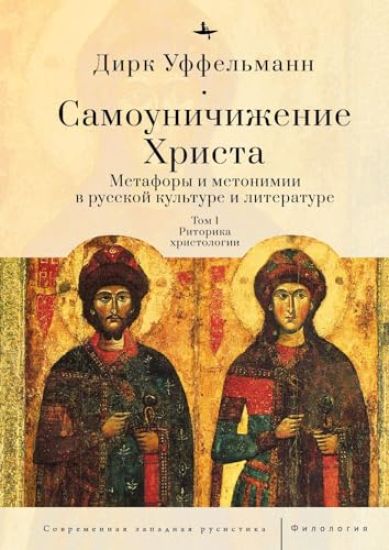
Der erniedrigte Christus

Der erniedrigte Christus

Dirk Uffelmann

Academic Studies Press
2022
sidottu
This three-volume book investigates the Russian transformations of one of the central concepts of Greek Christology, the self-humiliation or kenosis of Christ. The author applies rhetoric (paradox, metaphor, metonymy) as a means to elucidate mechanisms of theological persuasion and to trace the representations of the humiliated Christ and his imitations in various media from liturgy and iconology to everyday practice and literary fiction. The exploration of post-Christian literature of the 19th and 20th century (N. Chernyshevskii, M. Gor’kii, N. Ostrovskii, Ven. Erofeev, Vl. Sorokin) demonstrates the existence of a kenotic Christology after Christianity.
Diskursy Vladimira Sorokina

Diskursy Vladimira Sorokina

Dirk Uffelmann

Novoe literaturnoe obozrenie
2022
sidottu
Vladimir Sorokin - odin iz samykh jarkikh predstavitelej russkogo postmodernizma, teksty kotorogo chasto vyzyvajut burnuju chitatelskuju i kriticheskuju reaktsiju iz-za obilija obstsennoj leksiki, stsen seksa i nasilija. V svoej monografii nemetskij rusist Dirk Uffelmann vpervye analiziruet vse osnovnye proizvedenija Vladimira Sorokina - ot "Ocheredi" i "Romana" do "Meteli" i "Tellurii". Avtor pokazyvaet, kak, cherpaja sjuzhety iz russkoj klassiki XIX veka i sotsrealizma, obraschajas k populjarnoj kulture i natsionalisticheskoj ritorike, Sorokin ostaetsja veren ustanovke na rasscheplenie chuzhikh diskursov. Avtor kompleksno podkhodit k evoljutsii pisma Sorokina - nekogda "sderzhannogo molodogo cheloveka", porazivshego krug kontseptualistov "neslykhannym nadrugatelstvom nad sovetskimi esteticheskimi normami", vposledstvii - skandalnogo avtora, chi knigi brosala v penoplastovyj unitaz prokremljovskaja molodezh, a nyne - zhivogo klassika, kotorogo postojanno nazyvajut providtsem. Dirk Uffelmann - professor Instituta slavistiki Gisenskogo universiteta im. Justusa Libikha.Perevodchik: Pirusskaja T.Vypusk 227
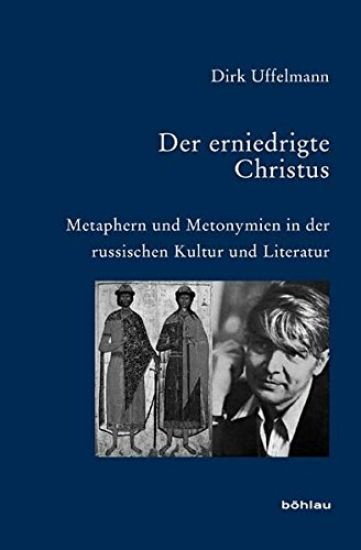
Der erniedrigte Christus

Der erniedrigte Christus

Dirk Uffelmann

Bohlau Verlag
2010
sidottu
Die Selbsterniedrigung Christi, wie sie Paulus beschreibt, gehort zu den zentralen Konzepten der Christologie. Sie wurde von den Kirchenvatern und den Okumenischen Konzilien in einer Rhetorik des Paradoxes ausgearbeitet. Daran knupften die christlichen Kulturen sprachliche, bildliche und andere mediale Ausgestaltungen an, die sich als Christus-Metaphern und -Metonymien beschreiben lassen. Mit einer Analyse unterschiedlicher Medien von Liturgie bis Alltagspraxis wird in diesem Band gezeigt, dass das Selbsterniedrigungsmodell fur breite Bereiche des russischen Kirchenlebens, der russischen Kultur und Literatur wichtig geworden ist. Besonderes Augenmerk gilt den Ubertragungen des Modells in nicht christliche Bereiche. So kreist der zweite Teil des Bandes um literarische Texte aus dem sozialistischen und sowjetischen Umfeld - von Nikolaj Eernyevskij uber Maksim Gor'kij und Nikolaj Ostrovskij zu Venedikt Erofeev und Vladimir Sorokin - und belegt daran die ungebrochene Produktivitat der Rhetorik und Ethik der Selbsterniedrigung.
Die Russische Kulturosophie

Die Russische Kulturosophie

Dirk Uffelmann

Peter Lang AG
1999
nidottu
In russischen Debatten des 19. Jahrhunderts spielt der Gegensatz von Russland und Europa eine eminente Rolle. Anders als in herkommlichen Untersuchungen zur sogenannten Westler-Slavophilen-Debatte wird hier vorgeschlagen, den kulturphilosophischen Mischdiskurs nicht auf die kulturraumliche Opposition zu reduzieren, sondern die Gesamtheit der bei Karamzin und Siskov, Caadaev und Kireevskij, Gercen und Danilevskij sowie Solov'ev und Leont'ev behandelten Themen zur Konzeptualisierung heranzuziehen. Dazu wird eine Methode entwickelt, mit der untersucht wird, wie in der Argumentation die logischen Verfahren des Verbindens und Trennens selbst axiologisiert werden. Aufgrund ihrer zweiwertigen Denkmuster und Wertzuweisungen wird die russische Kulturphilosophie des 19. Jahrhunderts als -Kulturosophie- gekennzeichnet."