Kirjojen hintavertailu. Mukana 11 717 486 kirjaa ja 12 kauppaa.

Kirjahaku

Etsi kirjoja tekijän nimen, kirjan nimen tai ISBN:n perusteella.

74 kirjaa tekijältä Dmitry Vostokov

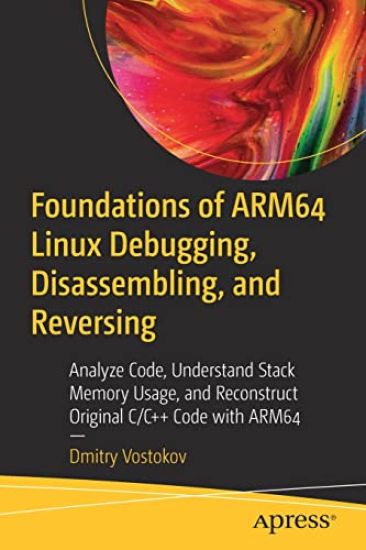
Foundations of ARM64 Linux Debugging, Disassembling, and Reversing
Gain a solid understanding of how Linux C and C++ compilers generate binary code. This book explains the reversing and binary analysis of ARM64 architecture now used by major Linux cloud providers and covers topics ranging from writing programs in assembly language, live debugging, and static binary analysis of compiled C and C++ code. It is ideal for those working with embedded devices, including mobile phones and tablets. Using the latest version of Red Hat, you'll look closely at the foundations of diagnostics of core memory dumps, live and postmortem debugging of Linux applications, services, and systems. You'll also work with the GDB debugger and use it for disassembly and reversing. This book uses practical step-by-step exercises of increasing complexity with explanations and many diagrams, including some necessary background topics. In addition, you will be able to analyze such code confidently, understand stack memory usage, and reconstruct original C/C++ code. And as you'll see, memory forensics, malware, and vulnerability analysis, require an understanding of ARM64 assembly language and how C and C++ compilers generate code, including memory layout and pointers. This book provides the background knowledge and practical foundations you’ll need to understand internal Linux program structure and behavior. Foundations of ARM64 Linux Debugging, Disassembling, and Reversing is the perfect companion to Foundations of Linux Debugging, Disassembling, and Reversing for readers interested in the cloud or cybersecurity. What You'll LearnReview the basics of ARM64 assembly languageExamine the essential GDB debugger commands for debugging and binary analysis Study C and C++ compiler code generation with and without compiler optimizations Look at binary code disassembly and reversing patternsSee how pointers in C and C++ are implemented and usedWho This Book Is ForSoftware support and escalation engineers, cloud security engineers, site reliability engineers, DevSecOps, platform engineers, software testers, Linux C/C++ software engineers and security researchers without ARM64 assembly language background, and beginners learning Linux software reverse engineering techniques.
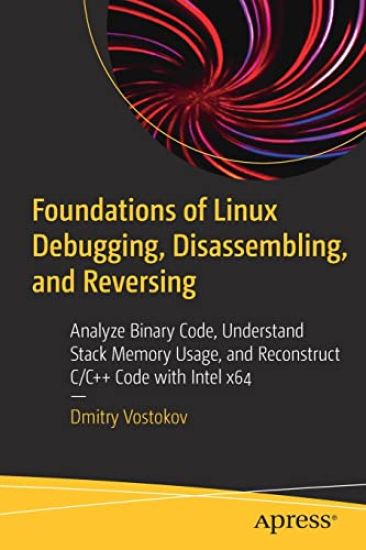
Foundations of Linux Debugging, Disassembling, and Reversing
Review topics ranging from Intel x64 assembly language instructions and writing programs in assembly language, to pointers, live debugging, and static binary analysis of compiled C and C++ code. This book is ideal for Linux desktop and cloud developers. Using the latest version of Debian, you’ll focus on the foundations of the diagnostics of core memory dumps, live and postmortem debugging of Linux applications, services, and systems, memory forensics, malware, and vulnerability analysis. This requires an understanding of x64 Intel assembly language and how C and C++ compilers generate code, including memory layout and pointers. This book provides the back­ground knowledge and practical foundations you’ll need in order to master internal Linux program structure and behavior. It consists of practical step-by-step exercises of increasing complexity with explanations and ample diagrams. You’ll also work with the GDB debugger and use it for disassembly and reversing. By the end of the book, you will have a solid understanding of how Linux C and C++ compilers generate binary code. In addition, you will be able to analyze such code confidently, understand stack memory usage, and reconstruct original C/C++ code. Foundations of Linux Debugging, Disassembling, and Reversing is the perfect companion to Foundations of ARM64 Linux Debugging, Disassembling, and Reversing for readers interested in the cloud or cybersecurity.What You'll LearnReview the basics of x64 assembly languageExamine the essential GDB debugger commands for debugging and binary analysis Study C and C++ compiler code generation with and without compiler optimizations Look at binary code disassembly and reversing patternsSee how pointers in C and C++ are implemented and usedWho This Book Is ForSoftware support and escalation engineers, cloud security engineers, site reliability engineers, DevSecOps, platform engineers, software testers, Linux C/C++ software engineers and security researchers without Intel x64 assembly language background, beginners learning Linux software reverse engineering techniques, and engineers coming from non-Linux environments.
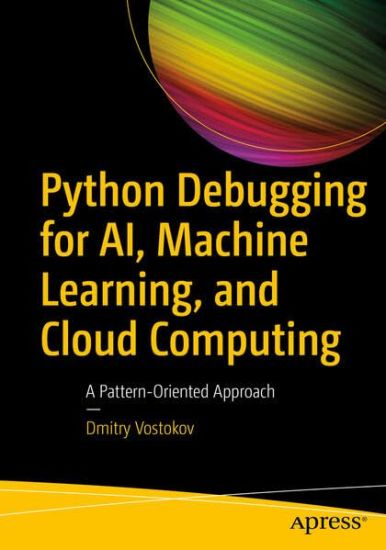
Python Debugging for AI, Machine Learning, and Cloud Computing
This book is for those who wish to understand how Python debugging is and can be used to develop robust and reliable AI, machine learning, and cloud computing software. It will teach you a novel pattern-oriented approach to diagnose and debug abnormal software structure and behavior. The book begins with an introduction to the pattern-oriented software diagnostics and debugging process that, before performing Python debugging, diagnoses problems in various software artifacts such as memory dumps, traces, and logs. Next, you’ll learn to use various debugging patterns through Python case studies that model abnormal software behavior. You’ll also be exposed to Python debugging techniques specific to cloud native and machine learning environments and explore how recent advances in AI/ML can help in Python debugging. Over the course of the book, case studies will show you how to resolve issues around environmental problems, crashes, hangs, resource spikes, leaks, and performancedegradation. This includes tracing, logging, and analyzing memory dumps using native WinDbg and GDB debuggers. Upon completing this book, you will have the knowledge and tools needed to employ Python debugging in the development of AI, machine learning, and cloud computing applications. What You Will Learn Employ a pattern-oriented approach to Python debugging that starts with diagnostics of common software problemsUse tips and tricks to get the most out of popular IDEs, notebooks, and command-line Python debuggingUnderstand Python internals for interfacing with operating systems and external modulesPerform Python memory dump analysis, tracing, and logging Who This Book Is For Software developers, AI/ML engineers, researchers, data engineers, as well as MLOps and DevOps professionals.
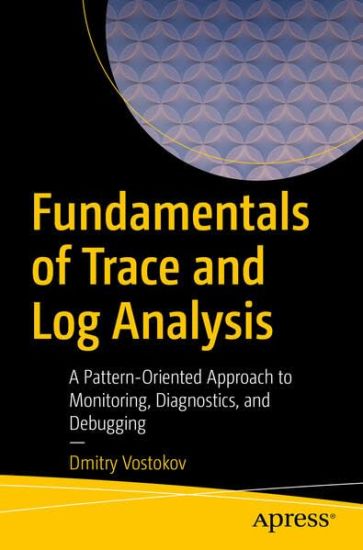
Fundamentals of Trace and Log Analysis
This book will help you analyze traces and logs from different software environments and communicate analysis results using a pattern language that covers everything from a small debugging log to a distributed trace with billions of messages from hundreds of computers, thousands of software components, threads, and processes. The book begins with the basic terminology of operating systems and programming, the foundation for understanding trace and log analysis. It then talks about patterns that help describe problems from a user’s view and patterns for errors and failures. Then, the book covers a range of trace patterns that group messages, and explores how logs depict software activities. It even examines specific message patterns and how they connect in a single trace. Moving forward, you’ll review patterns for multiple traces and logs and how to evaluate them. In this way, you can use similar methods to find problems across a wide variety of software. The book also provides guidance for analyzing issues on systems such as Windows, macOS, Linux, Android, iOS, and other types of computers, including those in networks and the Internet of Things, regardless of their system differences. Upon completing this book, you will be able to navigate the complexities of trace and log analysis and apply uniform diagnostics and anomaly detection pattern language across diverse software environments to help you troubleshoot, debug, and fix issues. What You Will Learn Understand pattern language for trace and log analysisGain a pattern-oriented methodology for trace and log analysis applicable to various domains, including cybersecurityMaster the fundamentals of operating systems and programming related to trace and log analysisUnderstand observed behavior in traces and logs, which aids incident response, diagnostics, root cause analysis, troubleshooting, and debugging Who This Book Is For Software technical support engineers, system and network administrators, software developers, testers, DevOps and DevSecOps, digital forensics and malware analysts, security incident response engineers, data analysts, and data mining practitioners.
Memory Dump Analysis Anthology, Volume 1, Revised Edition
This reference volume consists of revised, edited, cross-referenced, and thematically organized articles from Software Diagnostics Institute and Software Diagnostics Library (former Crash Dump Analysis blog) written in August 2006 - December 2007. This major revision updates tool information and links with ones relevant for Windows 10 and removes obsolete references. Some articles are preserved for historical reasons, and some are updated to reflect the debugger engine changes. Most of the content, especially memory analysis pattern language, is still relevant today and for the foreseeable future. Crash dump analysis pattern names are also corrected to reflect the continued expansion of the catalog. The primary audience for Memory Dump Analysis Anthology reference volumes is: software engineers developing and maintaining products on Windows platforms, technical support, escalation, and site reliability engineers dealing with complex software issues, quality assurance engineers testing software on Windows platforms, security and vulnerability researchers, reverse engineers, malware and memory forensics analysts.
Memory Dump Analysis Anthology, Volume 2, Revised Edition
This reference volume consists of revised, edited, cross-referenced, and thematically organized articles from Software Diagnostics Institute and Software Diagnostics Library (former Crash Dump Analysis blog) written in January - September 2008. In addition to various corrections, this major revision updates relevant links and removes obsolete references. Some articles are preserved for historical reasons. Most of the content, especially memory analysis pattern language, is still relevant today and for the foreseeable future. Crash dump analysis pattern names are also corrected to reflect the continued expansion of the catalog. Compared to the first revised volume, the second revised volume features: - 44 more crash dump analysis patterns; - Pattern interaction and case studies; - Fully cross-referenced with Volume 1; - New appendixes. The primary audience for Memory Dump Analysis Anthology reference volumes is: software engineers developing and maintaining products on Windows platforms, technical support, escalation, and site reliability engineers dealing with complex software issues, quality assurance engineers testing software on Windows platforms, security and vulnerability researchers, reverse engineers, malware and memory forensics analysts.
Memory Dump Analysis Anthology, Volume 4, Revised Edition
This reference volume consists of revised, edited, cross-referenced, and thematically organized articles from Software Diagnostics Institute and Software Diagnostics Library (former Crash Dump Analysis blog) written in July 2009 - January 2010. In addition to various corrections, this major revision updates relevant links and removes obsolete references. Some articles are preserved for historical reasons. Most of the content, especially memory analysis and trace and log analysis pattern languages, is still relevant today and for the foreseeable future. Crash dump analysis pattern names are also corrected to reflect the continued expansion of the catalog. The fourth volume features: - 15 new crash dump analysis patterns; - 13 new pattern interaction case studies; - 10 new trace analysis patterns; - 6 new Debugware patterns and case study; - Workaround patterns; - Updated checklist; - Fully cross-referenced with Volumes 1-3; - Memory visualization tutorials; - Memory space art.The primary audience for Memory Dump Analysis Anthology reference volumes is: software engineers developing and maintaining products on Windows platforms, technical support, escalation, and site reliability engineers dealing with complex software issues, quality assurance engineers testing software on Windows platforms, security and vulnerability researchers, reverse engineers, malware and memory forensics analysts. Trace and log analysis articles may be of interest to users of other platforms.