Kirjojen hintavertailu. Mukana 12 016 292 kirjaa ja 12 kauppaa.

Kirjahaku

Etsi kirjoja tekijän nimen, kirjan nimen tai ISBN:n perusteella.

3 kirjaa tekijältä Dominique Cardon

The Dyer's Handbook

The Dyer's Handbook

Dominique Cardon

Oxbow Books
2020
nidottu
Persian blue, pomegranate flower, spiny lobster, wine soup, pale flesh, dove breast, golden wax, grass green, green sand, rotten olive, modest plum, agate, rich French gray, gunpowder of the English...these are just some of the colour names of old fabric to fire the imagination. The Dyer's Handbook concerns a unique manuscript from the eighteenth century; a dyers memoirs from Languedoc, containing recipes for dyes with corresponding colour samples. It is an exceptional document, hugely rare and of great significance not only to textile historians but dyers and colourists today, as thanks to the information in the manuscript the colours can be reproduced exactly, with the same ingredients, or reproduced using modern techniques by matching the colour samples. To the English translation of the text, together with facsimile pages reproduced in colour from the original manuscript, are added essays meant to situate it in its historical, economic and technological contexts. For those historians who have long been fascinated by the change in scale and the amount of innovation that occurred in woollen cloth production in Europe during the 17th and 18th centuries, The Dyer's Handbook brings first-hand insight into the daily preoccupations and tasks of a key actor in the success story of the Languedocian broadcloth production specially devised for export to the Levant. Even non-specialists may be interested in understanding the clever management and technical organisation that made it possible for the author to produce, dye, finish, pack and export up to 1,375 pieces of superfine broadcloth per year, representing nearly 51 km of cloth.
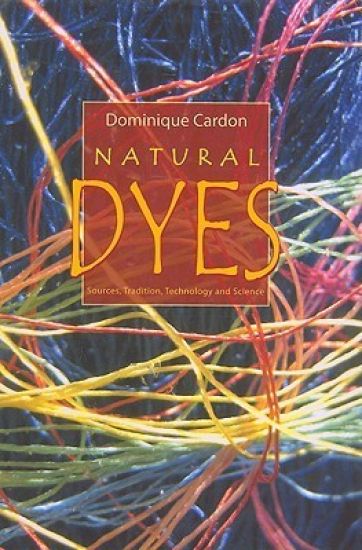
Natural Dyes

Natural Dyes

Dominique Cardon

Archetype Publications Ltd
2007
sidottu
At a time when more and more plants and animals are threatened with extinction by humanity's ever-increasing pressure on the land and oceans of the planet, this book sets out to record sources of colorants discovered and used on all the continents from antiquity until the present day. Some 300 plants and 30 animals (marine molluscs and scale insects) are illustrated and discussed by the author, whose passion for natural dyes, with their colors of unequalled richness and subtlety, has taken her across the globe in search of dye sources and dyers. Botanical and zoological details are given for each source and chemical structures for each dye. Dyes employed by different civilizations are illustrated and relevant historical recipes and detailed descriptions of dyeing-processes by traditional dyers are quoted and explained in the light of modern science. Other current uses of such colorants, such as in medicine, and as colorants for food and cosmetics, are also noted. Although natural dyes have been largely replaced by synthetic dyes, increasing worldwide awareness of the harmful consequences of the pollution resulting from the production and use of some synthetic colorants has led to a significant revival and renewed interest in natural colorants. As potential renewable resources, natural dyes are an integral part of the major issue of our time: sustainable development. The aim of this book is to provide a scientific background for this important debate.