Kirjojen hintavertailu. Mukana 11 711 561 kirjaa ja 12 kauppaa.

Kirjahaku

Etsi kirjoja tekijän nimen, kirjan nimen tai ISBN:n perusteella.

6 kirjaa tekijältä Donald B. Redford

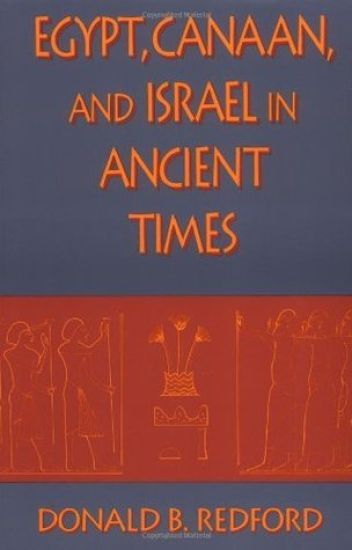
Egypt, Canaan, and Israel in Ancient Times

Egypt, Canaan, and Israel in Ancient Times

Donald B. Redford

Princeton University Press
1993
pokkari
Covering the time span from the Paleolithic period to the destruction of Jerusalem in 586 B.C., the eminent Egyptologist Donald Redford explores three thousand years of uninterrupted contact between Egypt and Western Asia across the Sinai land-bridge. In the vivid and lucid style that we expect from the author of the popular Akhenaten, Redford presents a sweeping narrative of the love-hate relationship between the peoples of ancient Israel/Palestine and Egypt.
City of the Ram-Man

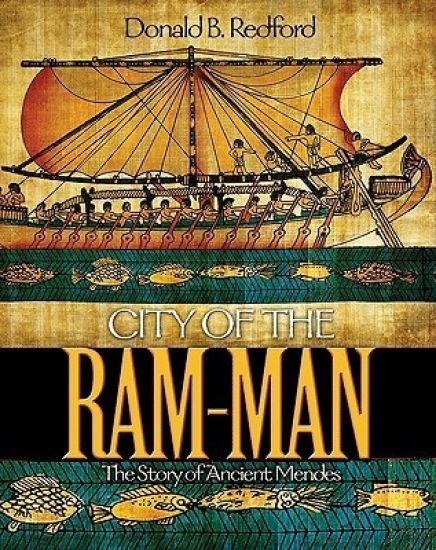
City of the Ram-Man

Donald B. Redford

Princeton University Press
2010
sidottu
In this richly illustrated book, renowned archaeologist Donald Redford draws on the latest discoveries--including many of his own--to tell the story of the ancient Egyptian city of Mendes, home of the mysterious cult of the "fornicating ram who mounts the beauties." Excavation by Redford and his colleagues over the past two decades has cast a flood of light on this strange center of worship and political power located in the Nile Delta. A sweeping chronological account filled with photographs, drawings, and informative sidebars, City of the Ram-Man is the first history of Mendes written for general readers. Founded in the remote prehistoric past, inhabited continuously for 5,000 years, and abandoned only in the first-century BC, Mendes is a microcosm of ancient Egyptian history. City of the Ram-Man tells the city's full story--from its founding, through its development of a great society and its brief period as the capital of Egypt, up to its final decline. Central to the story is millennia of worship dedicated to the lascivious ram-god. The book describes the discoveries of the great temple of the ram and the "Mansion of the Rams," where the embalmed bodies of the avatars of the god were buried. It also discusses ancient Greek reports that these ram-gods occasionally ritually fornicated with women. Vividly written and informed throughout by Redford's intimate knowledge of the remains of Mendes, City of the Ram-Man is a unique account of a long-lost monument of Egyptian history, religion, and culture.
From Slave to Pharaoh

From Slave to Pharaoh

Donald B. Redford

Johns Hopkins University Press
2004
sidottu
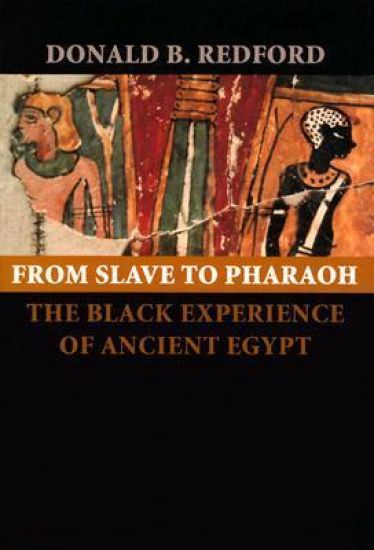
In From Slave to Pharaoh, noted Egyptologist Donald B. Redford examines over two millennia of complex social and cultural interactions between Egypt and the Nubian and Sudanese civilizations that lay to the south of Egypt. These interactions resulted in the expulsion of the black Kushite pharaohs of the Twenty-fifth Dynasty in 671 B.C. by an invading Assyrian army. Redford traces the development of Egyptian perceptions of race as their dominance over the darker-skinned peoples of Nubia and the Sudan grew, exploring the cultural construction of spatial and spiritual boundaries between Egypt and other African peoples. Redford focuses on the role of racial identity in the formulation of imperial power in Egypt and the legitimization of its sphere of influence, and he highlights the dichotomy between the Egyptians' treatment of the black Africans it deemed enemies and of those living within Egyptian society. He also describes the range of responses-from resistance to assimilation-of subjugated Nubians and Sudanese to their loss of self-determination. Indeed, by the time of the Twenty-fifth Dynasty, the culture of the Kushite kings who conquered Egypt in the late eighth century B.C. was thoroughly Egyptian itself. Moving beyond recent debates between Afrocentrists and their critics over the racial characteristics of Egyptian civilization, From Slave to Pharaoh reveals the true complexity of race, identity, and power in Egypt as documented through surviving texts and artifacts, while at the same time providing a compelling account of war, conquest, and culture in the ancient world.
From Slave to Pharaoh

From Slave to Pharaoh

Donald B. Redford

Johns Hopkins University Press
2006
pokkari
In From Slave to Pharaoh, noted Egyptologist Donald B. Redford examines over two millennia of complex social and cultural interactions between Egypt and the Nubian and Sudanese civilizations that lay to the south of Egypt. These interactions resulted in the expulsion of the black Kushite pharaohs of the Twenty-fifth Dynasty in 671 B.C. by an invading Assyrian army. Redford traces the development of Egyptian perceptions of race as their dominance over the darker-skinned peoples of Nubia and the Sudan grew, exploring the cultural construction of spatial and spiritual boundaries between Egypt and other African peoples. Redford focuses on the role of racial identity in the formulation of imperial power in Egypt and the legitimization of its sphere of influence, and he highlights the dichotomy between the Egyptians' treatment of the black Africans it deemed enemies and of those living within Egyptian society. He also describes the range of responses-from resistance to assimilation-of subjugated Nubians and Sudanese to their loss of self-determination. Indeed, by the time of the Twenty-fifth Dynasty, the culture of the Kushite kings who conquered Egypt in the late eighth century B.C. was thoroughly Egyptian itself. Moving beyond recent debates between Afrocentrists and their critics over the racial characteristics of Egyptian civilization, From Slave to Pharaoh reveals the true complexity of race, identity, and power in Egypt as documented through surviving texts and artifacts, while at the same time providing a compelling account of war, conquest, and culture in the ancient world.