Kirjojen hintavertailu. Mukana 11 699 587 kirjaa ja 12 kauppaa.

Kirjahaku

Etsi kirjoja tekijän nimen, kirjan nimen tai ISBN:n perusteella.

7 kirjaa tekijältä Dorothy H. Crawford

Viruses

Viruses

Dorothy H. Crawford

Oxford University Press
2021
nidottu
For all our hubris, humans can be felled rapidly by an invisible enemy - viruses. All around us are minute entities that can damage and kill: the millions of viruses that pervade the natural world. Our bodies harbour many that we have long tolerated, but a new one, that jumps into humans from another species, can be lethal - as we have seen most recently with the virus responsible for COVID-19. But what are viruses, how do they cause disease, and how can we fight them? In Viruses: The Invisible Enemy, a brand new edition of her classic work, virologist Dorothy Crawford explores these questions. She takes the reader on a journey through the past to show how, as the human race evolved from hunter gatherer to farmer to our present urban, industrialised society, viruses have taken advantage of each lifestyle change to promote their own survival. We have acquired many new viruses along the way, some spreading globally and causing killer diseases. But now, in the 21st century, as humans increasingly encroach into and exploit the natural world, the rate of emergence of novel viruses is accelerating. Already we've had a flu pandemic, large epidemics from SARS, Ebola and Zika viruses, and most devastating of all, SARS-CoV-2, which swept around the world in 2020-21, causing the COVID-19 pandemic. The response of scientists has been rapid, producing vaccines in record time. But we can expect more such challenges in the future. This book discusses why and how SARS-CoV-2 and other killer viruses emerged, and how we can win the battle against such an enemy.
Viruses

Viruses

Dorothy H. Crawford

Oxford University Press
2022
nidottu
Very Short Introductions: Brilliant, Sharp, Inspiring Viruses are everywhere, and as the COVID-19 pandemic has shown, cannot be ignored. From their discovery to the unravelling of their intricate structures, this Very Short Introduction provides a rounded and concise account of the nature of viruses, how they attack their hosts, and the efforts to control them. In this new edition, Dorothy H. Crawford examines the recent rise in emerging virus infections, especially coronaviruses, including the viruses behind SARS and MERS, and SARS CoV-2 responsible for COVID-19. Crawford explores why the SARS-CoV-2 was able to spread rapidly to form a pandemic while others have produced more localized epidemics, as well as looking at the revolution in vaccine production that this has caused. Looking to the future, this Very Short Introduction considers the preventative measures and management of future dangerous viruses that are expected to emerge. ABOUT THE SERIES: The Very Short Introductions series from Oxford University Press contains hundreds of titles in almost every subject area. These pocket-sized books are the perfect way to get ahead in a new subject quickly. Our expert authors combine facts, analysis, perspective, new ideas, and enthusiasm to make interesting and challenging topics highly readable.
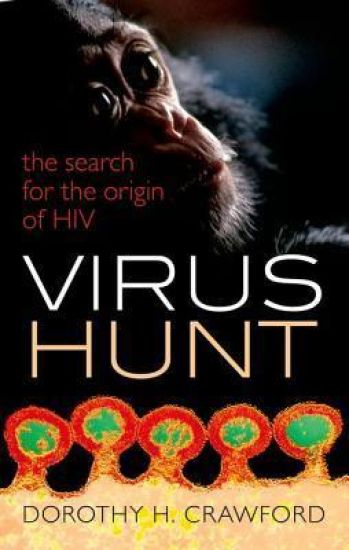
Virus Hunt

Virus Hunt

Dorothy H. Crawford

Oxford University Press
2015
nidottu
The hunt for the origin of the AIDS virus began over twenty years ago. It was a journey that went around the world and involved painstaking research to unravel how, when, and where the virus first infected humans. Dorothy H. Crawford traces the story back to the remote rain forests of Africa - home to the primates that carry the ancestral virus - and reveals how HIV-1 first jumped from chimpanzees to humans in rural south east Cameroon. Examining how this happened, and how it then travelled back to Colonial west central Africa where it eventually exploded as a pandemic, she asks why and how it was able to spread so widely. From hospital intensive care wards to research laboratories and the African rain forests, this is the wide-ranging story of a killer virus and a tale of scientific endeavour.
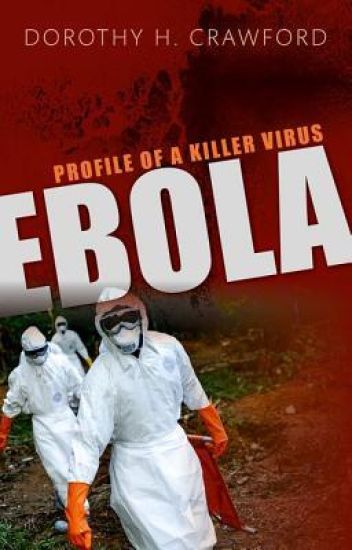
Ebola

Ebola

Dorothy H. Crawford

Oxford University Press
2016
sidottu
First discovered in 1976, and long regarded as an easily manageable virus affecting isolated rural communities, Ebola rocketed to world prominence in 2014 as a deadly epidemic swept through Guinea, Sierra Leone, and Liberia in West Africa. Thousands of people died as the extraordinarily contagious disease spread rapidly from villages to urban centres. Initial quarantine responses proved often too little and too late, and the medical infrastructure of the affected countries struggled to cope. By August 2014, several months after the start of the outbreak, the WHO declared the epidemic a public health emergency and international aid teams and volunteers began to pour in. But halting the epidemic proved to be hugely challenging, not only in terms of the practicalities of dealing with the sheer numbers of patients carrying the highly infectious virus, but in dealing with social and cultural barriers. The author, Dorothy Crawford, visited Sierra Leone while the epidemic was ongoing and met with those on the frontline in the fight against the virus. In Ebola Crawford combines personal accounts from these brave medical workers with the latest scientific reports to tell the story of the epidemic as it unfolded, and how it has changed our understanding of the virus. She looks at its origin and spread, the international response, and its devastating legacy to the health of those living in the three worst affected countries. She describes the efforts to prevent international spread, the treatment options for Ebola, including the drug and vaccine trials that eventually got underway in 2015, and the sensitive issue of running trials of experimental therapies during a lethal epidemic. Our understanding of the Ebola virus continues to develop as long-term health problems and complications following recovery from the disease are being identified. Epidemics of Ebola or other dangerous microbes will continue to threaten the world regularly. Already concerns have been raised by the possible impact of the Zika virus. What lessons have been learnt from Ebola? How, asks Crawford, might we prevent a repeat of the awful suffering seen in 2014-16?
Deadly Companions

Deadly Companions

Dorothy H. Crawford

Oxford University Press
2018
nidottu
Ever since we started huddling together in communities, the story of human history has been inextricably entwined with the story of microbes. They have evolved and spread amongst us, shaping our culture through infection, disease, and pandemic. At the same time, our changing human culture has itself influenced the evolutionary path of microbes. Dorothy H. Crawford here shows that one cannot be truly understood without the other. Beginning with a dramatic account of the SARS pandemic at the start of the 21st century, she takes us back in time to follow the interlinked history of microbes and man, taking an up-to-date look at ancient plagues and epidemics, and identifying key changes in the way humans have lived - such as our move from hunter-gatherer to farmer to city-dweller -- which made us vulnerable to microbe attack. Showing how we live our lives today -- with increasing crowding and air travel -- puts us once again at risk, Crawford asks whether we might ever conquer microbes completely, or whether we need to take a more microbe-centric view of the world. Among the possible answers, one thing becomes clear: that for generations to come, our deadly companions will continue to shape human history. Oxford Landmark Science books are 'must-read' classics of modern science writing which have crystallized big ideas, and shaped the way we think.
Virus Hunt

Virus Hunt

Dorothy H. Crawford

Oxford University Press
2013
sidottu
The hunt for the origin of the AIDS virus began over twenty years ago. It was a journey that went around the world and involved painstaking research to unravel how, when, and where the virus first infected humans. Dorothy H. Crawford traces the story back to the remote rain forests of Africa - home to the primates that carry the ancestral virus - and reveals how HIV-1 first jumped from chimpanzees to humans in rural south east Cameroon. Examining how this happened, and how it then travelled back to Colonial west central Africa where it eventually exploded as a pandemic, she asks why and how it was able to spread so widely. From hospital intensive care wards to research laboratories and the African rain forests, this is the wide-ranging story of a killer virus and a tale of scientific endeavour.