Kirjojen hintavertailu. Mukana 11 699 587 kirjaa ja 12 kauppaa.

Kirjahaku

Etsi kirjoja tekijän nimen, kirjan nimen tai ISBN:n perusteella.

5 kirjaa tekijältä Drew D. Gray

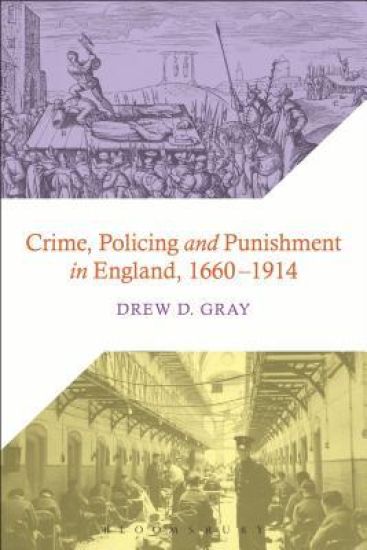
Crime, Policing and Punishment in England, 1660-1914

Crime, Policing and Punishment in England, 1660-1914

Drew D. Gray

Bloomsbury Academic USA
2016
sidottu
Crime, Policing and Punishment in England, 1660-1914 offers an overview of the changing nature of crime and its punishment from the Restoration to World War 1. It charts how prosecution and punishment have changed from the early modern to the modern period and reflects on how the changing nature of English society has affected these processes. By combining extensive primary material alongside a thorough analysis of historiography this text offers an invaluable resource to students and academics alike.The book is arranged in two sections: the first looks at the evolution and development of the criminal justice system and the emergence of the legal profession, and examines the media's relationship with crime. Section two examines key themes in the history of crime, covering the emergence of professional policing, the move from physical punishment to incarceration and the importance of gender and youth. Finally, the book draws together these themes and considers how the Criminal Justice System has developed to suit the changing nature of the British state.
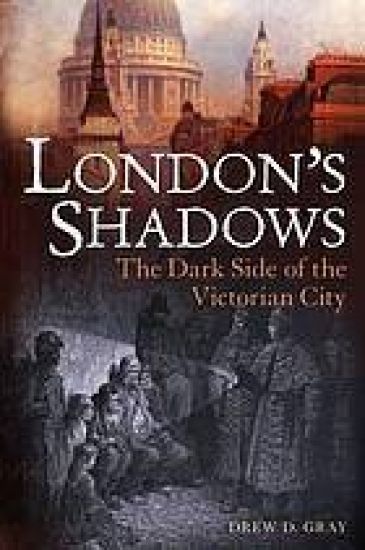
London's Shadows

London's Shadows

Drew D. Gray

Bloomsbury Academic USA
2013
nidottu
In 1888 London was the capital of the most powerful empire the world had ever known, and the largest city in Europe. In the west a new city was growing, populated by the middle classes, the epitome of 'Victorian values'. Across the city the situation was very different. The East End of London had long been considered a nether world, a dark and dangerous region outside the symbolic 'walls' of the original City.Using the Whitechapel murders of Jack the Ripper as a focal point, this book explores prostitution, poverty, revolutionary politics, immigration, the creation of a criminal underclass and the development of policing. It also considers how the sensationalist 'new journalism' took the news of the Ripper murders to all corners of the Empire and to the United States. This is an important book for those interested in the history of Victorian Britain.
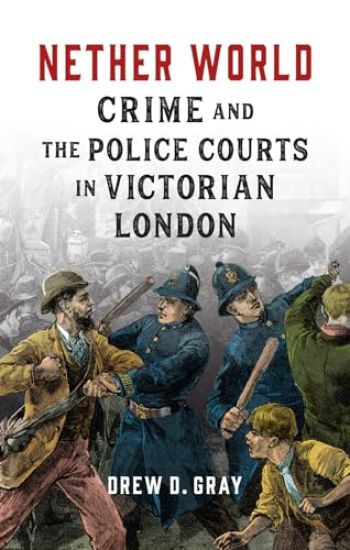
Nether World

Nether World

Drew D. Gray

REAKTION BOOKS
2024
sidottu
Nether World is a fascinating exploration of the everyday lives of Victorian Londoners through the city’s police courts, where people of all classes came to complain about those who had hurt, abused or stolen from them. To these courts were brought the capital’s drunks, pickpockets, wife-beaters and fraudsters, and they were judged by magistrates who wielded wide-ranging, summary powers. Drew D. Gray provides a rich, sometimes moving, often humorous glimpse into everyday life in Victorian London, told through the underexamined court records and the pages of a fast-developing newspaper industry. Nether World is a vivid picture of a vibrant, ever-changing metropolis and its people, and illuminates issues that still blight our modern city, such as poverty and homelessness, violence, substance abuse, prostitution and crime.
Crime, Policing and Punishment in England, 1660-1914

Crime, Policing and Punishment in England, 1660-1914

Drew D. Gray

Bloomsbury Academic USA
2016
nidottu
Crime, Policing and Punishment in England, 1660-1914 offers an overview of the changing nature of crime and its punishment from the Restoration to World War 1. It charts how prosecution and punishment have changed from the early modern to the modern period and reflects on how the changing nature of English society has affected these processes. By combining extensive primary material alongside a thorough analysis of historiography this text offers an invaluable resource to students and academics alike. The book is arranged in two sections: the first looks at the evolution and development of the criminal justice system and the emergence of the legal profession, and examines the media's relationship with crime. Section two examines key themes in the history of crime, covering the emergence of professional policing, the move from physical punishment to incarceration and the importance of gender and youth. Finally, the book draws together these themes and considers how the Criminal Justice System has developed to suit the changing nature of the British state.