Kirjojen hintavertailu. Mukana 12 595 353 kirjaa ja 12 kauppaa.

Kirjahaku

Etsi kirjoja tekijän nimen, kirjan nimen tai ISBN:n perusteella.

4 kirjaa tekijältä Drew M. Dalton

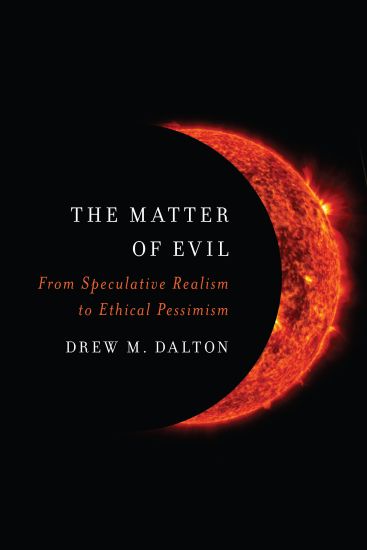
The Matter of Evil

The Matter of Evil

Drew M. Dalton

NORTHWESTERN UNIVERSITY PRESS
2023
nidottu
A provocative and entirely new account of ethical reasoning that reconceives the traditional understanding of ethical action negatively In this radical reconsideration of ethical reasoning in contemporary European philosophy, Drew M. Dalton makes the case for an absolutely grounded account of ethical normativity developed from a scientifically informed and purely materialistic metaphysics. Expanding on speculative realist arguments, Dalton argues that the limits placed on the nature of ethical judgments by Kant’s critique can be overcome through a moral evaluation of the laws of nature--specifically, the entropic principle that undergirds the laws of physics, chemistry, and biology. In order to extract a moral meaning from this simple material fact, Dalton scrutinizes the presumptions of classical accounts and traditional understandings of good and evil within the history of Western philosophy and ultimately asserts that ethical normativity can be reestablished absolutely without reverting to dogmatism. By overturning our assumptions about the nature and value of reality, The Matter of Evil: From Speculative Realism to Ethical Pessimism presents a provocative new model of ethical responsibility that is both logically justifiable and scientifically sound. Dalton argues for “ethical pessimism,” a position previously marginalized in the West, as a means to cultivate an account of ethical responsibility and political activism that takes seriously the unbecoming of being and the moral horror of existence.
The Matter of Evil

The Matter of Evil

Drew M. Dalton

NORTHWESTERN UNIVERSITY PRESS
2023
sidottu
A provocative and entirely new account of ethical reasoning that reconceives the traditional understanding of ethical action negatively In this radical reconsideration of ethical reasoning in contemporary European philosophy, Drew M. Dalton makes the case for an absolutely grounded account of ethical normativity developed from a scientifically informed and purely materialistic metaphysics. Expanding on speculative realist arguments, Dalton argues that the limits placed on the nature of ethical judgments by Kant’s critique can be overcome through a moral evaluation of the laws of nature--specifically, the entropic principle that undergirds the laws of physics, chemistry, and biology. In order to extract a moral meaning from this simple material fact, Dalton scrutinizes the presumptions of classical accounts and traditional understandings of good and evil within the history of Western philosophy and ultimately asserts that ethical normativity can be reestablished absolutely without reverting to dogmatism. By overturning our assumptions about the nature and value of reality, The Matter of Evil: From Speculative Realism to Ethical Pessimism presents a provocative new model of ethical responsibility that is both logically justifiable and scientifically sound. Dalton argues for “ethical pessimism,” a position previously marginalized in the West, as a means to cultivate an account of ethical responsibility and political activism that takes seriously the unbecoming of being and the moral horror of existence.
The Ethics of Resistance

The Ethics of Resistance

Drew M. Dalton

Bloomsbury Academic
2018
sidottu
Opening a new debate on ethical reasoning after Kant, Drew Dalton addresses the problem of the absolute in ethical and political thought. Attacking the foundation of European philosophical morality, he critiques the idea that in order for ethical judgement to have any real power, it must attempt to discover and affirm some conception of the absolute good. Without rejecting the essential role the absolute plays within ethical reasoning, Dalton interrogates the assumed value of the absolute. Dalton brings some of the most influential contemporary philosophical traditions into dialogue with each other: speculative realists like Badiou and Meillassoux; phenomenologists, including Husserl, Heidegger, and Levinas; German Idealists, especially Kant and Schelling; psychoanalysts Freud and Lacan; and finally, post-structuralists, specifically Foucault, Deleuze, and Ranciere. The relevance of these thinkers to concrete socio-political problems is shown through reflections on the Holocaust, suicide bombings, the rise of neo-liberalism and neo-nationalism, as well as rampant consumerism and racism. This book re-defines ethical reasoning as that which refuses absolutes and resists what Milton's devil in Paradise Lost called the “tyranny of heaven.” Against traditional ethical reasoning, Dalton sees evil not as a moral failure, but as the result of an all too easy assent to the absolute; an assent which can only be countered through active resistance. For Dalton, resistance to the absolute is the sole channel through which the good can be defined.
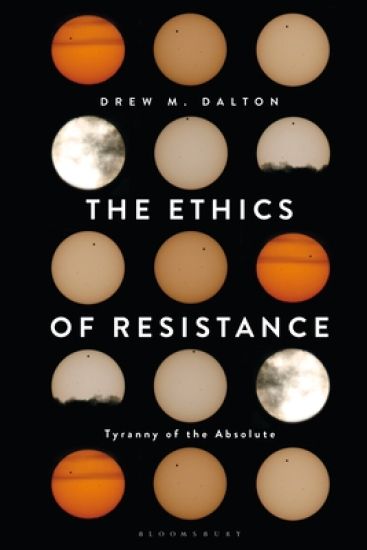
The Ethics of Resistance

The Ethics of Resistance

Drew M. Dalton

Bloomsbury Academic
2020
nidottu
Opening a new debate on ethical reasoning after Kant, Drew Dalton addresses the problem of the absolute in ethical and political thought. Attacking the foundation of European philosophical morality, he critiques the idea that in order for ethical judgement to have any real power, it must attempt to discover and affirm some conception of the absolute good. Without rejecting the essential role the absolute plays within ethical reasoning, Dalton interrogates the assumed value of the absolute. Dalton brings some of the most influential contemporary philosophical traditions into dialogue with each other: speculative realists like Badiou and Meillassoux; phenomenologists, including Husserl, Heidegger, and Levinas; German Idealists, especially Kant and Schelling; psychoanalysts Freud and Lacan; and finally, post-structuralists, specifically Foucault, Deleuze, and Ranciere. The relevance of these thinkers to concrete socio-political problems is shown through reflections on the Holocaust, suicide bombings, the rise of neo-liberalism and neo-nationalism, as well as rampant consumerism and racism. This book re-defines ethical reasoning as that which refuses absolutes and resists what Milton's devil in Paradise Lost called the “tyranny of heaven.” Against traditional ethical reasoning, Dalton sees evil not as a moral failure, but as the result of an all too easy assent to the absolute; an assent which can only be countered through active resistance. For Dalton, resistance to the absolute is the sole channel through which the good can be defined.