Kirjojen hintavertailu. Mukana 12 390 323 kirjaa ja 12 kauppaa.

Kirjahaku

Etsi kirjoja tekijän nimen, kirjan nimen tai ISBN:n perusteella.

4 kirjaa tekijältä Duncan L. Clarke

American Defense and Foreign Policy Institutions

American Defense and Foreign Policy Institutions

Duncan L. Clarke

University Press of America
1992
nidottu
This is the first significant, broad-scope study of institutional and organizational factors affecting U.S. national security policy since the Murphy Commission Report in 1975. Organizational, institutional and managerial considerations bear critically on the quality of American defense policy, foreign policy and intelligence. This book analyzes these considerations and offers suggestions for change. Originally published in 1989 by Harper and Row.

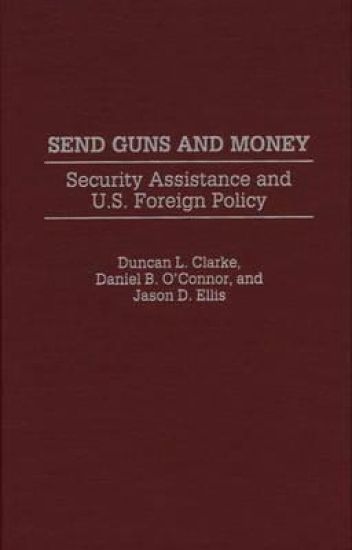
Send Guns and Money

Send Guns and Money

Duncan L. Clarke; Jason D. Ellis; Daniel OConnor

Praeger Publishers Inc
1997
sidottu
American foreign policy since 1947 cannot be understood apart from the U.S. security assistance program. Beginning with Truman, every president has considered security assistance programs important means for furthering U.S. national interests. Security assistance has been used to support a wide variety of policies, including the Truman Doctrine and containment, the underwriting of the Camp David Accords, and the channeling of aid to the newly democratic countries of Central and Eastern Europe.American foreign policy since 1947 cannot be understood apart from the U.S. security assistance program. Beginning with Truman, every president has considered security assistance programs important means for furthering U.S. national interests. Security assistance has been used to support a wide variety of policies, including the Truman Doctrine and containment, the underwriting of the Camp David Accords, and the channeling of aid to the newly democratic countries of Central and Eastern Europe.This book provides a comprehensive treatment of the program from 1947 through fiscal year 1996. After discussing the legal foundations and components of the program, the authors provide an historical survey from 1947 through the first Clinton administration. They then detail the role of Congress, public opinion, and interest groups. Separate treatment is given to countries such as Israel, Egypt, Greece, and Turkey. The authors also suggest ideas on how the programs can be changed to mesh with American objectives and resources in the 21st century. This is a major study of interest to students, scholars, researchers, and policymakers.
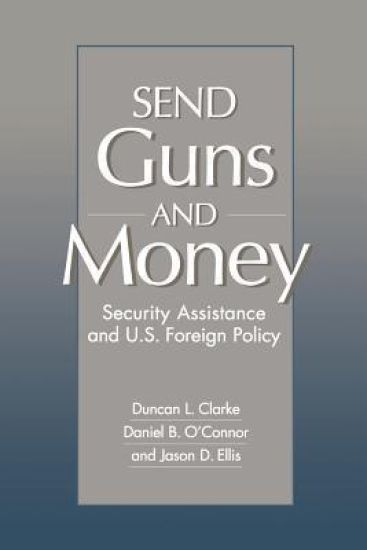
Send Guns and Money

Send Guns and Money

Duncan L. Clarke; Jason D. Ellis; Daniel OConnor

Praeger Publishers Inc
1997
nidottu
American foreign policy since 1947 cannot be understood apart from the U.S. security assistance program. Beginning with Truman, every president has considered security assistance programs important means for furthering U.S. national interests. Security assistance has been used to support a wide variety of policies, including the Truman Doctrine and containment, the underwriting of the Camp David Accords, and the channeling of aid to the newly democratic countries of Central and Eastern Europe.American foreign policy since 1947 cannot be understood apart from the U.S. security assistance program. Beginning with Truman, every president has considered security assistance programs important means for furthering U.S. national interests. Security assistance has been used to support a wide variety of policies, including the Truman Doctrine and containment, the underwriting of the Camp David Accords, and the channeling of aid to the newly democratic countries of Central and Eastern Europe.This book provides a comprehensive treatment of the program from 1947 through fiscal year 1996. After discussing the legal foundations and components of the program, the authors provide an historical survey from 1947 through the first Clinton administration. They then detail the role of Congress, public opinion, and interest groups. Separate treatment is given to countries such as Israel, Egypt, Greece, and Turkey. The authors also suggest ideas on how the programs can be changed to mesh with American objectives and resources in the 21st century. This is a major study of interest to students, scholars, researchers, and policymakers.