Kirjojen hintavertailu. Mukana 11 699 587 kirjaa ja 12 kauppaa.

Kirjahaku

Etsi kirjoja tekijän nimen, kirjan nimen tai ISBN:n perusteella.

4 kirjaa tekijältä Dylan Baun

Beirut Radical

Beirut Radical

Dylan Baun

BLOOMSBURY PUBLISHING PLC
2025
sidottu
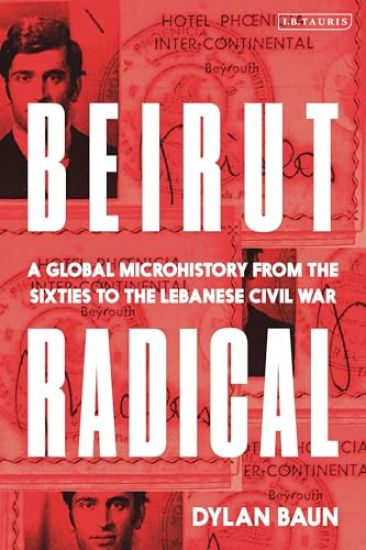
Imad Yusuf Nuwayhid was born in 1944 in the Lebanese village of Ras al-Matn. He came of age in the 1960s, splitting time between Beirut and Europe. And he died in 1975, the start of the Lebanese Civil War. But who was Imad Nuwayhid? Was he a leftist intellectual? A self-interested hotel worker? A fighter dedicated to Palestinian liberation? A tragic symbol of what happened to those caught in the crosshairs during the war? Through archival and oral history, Beirut Radical finds that Imad was none of these things alone, but all of them together. Beirut Radical takes up Imad Nuwayhid as a global microhistory—a window into the global sixties, the war, and its aftermath. Baun argues that Imad’s beliefs and actions, crystalized during two tumultuous decades of the Cold War, signal a young generation of what he terms “practical radicals.” While much more is known about their politics and support for left-wing ideologies, Imad’s life highlights how they pursued them, equally, alongside their career aspirations. Imad’s death in the war, then, shows the twisting path by which some young leftists ceded their autonomy to liberation struggles. Lastly, Beirut Radical follows Imad’s afterlife, examining how multiple actors to Lebanon’s war, some in concert (party and family members), some in resistance (some family), claim individuals and their memory, during and beyond wartime. More than anything perhaps, Beirut Radical is a meditation on the intimate, the personal, the ethics, and the micro-level of history.
Beirut Radical

Beirut Radical

Dylan Baun

BLOOMSBURY PUBLISHING PLC
2025
nidottu
Imad Yusuf Nuwayhid was born in 1944 in the Lebanese village of Ras al-Matn. He came of age in the 1960s, splitting time between Beirut and Europe. And he died in 1975, the start of the Lebanese Civil War. But who was Imad Nuwayhid? Was he a leftist intellectual? A self-interested hotel worker? A fighter dedicated to Palestinian liberation? A tragic symbol of what happened to those caught in the crosshairs during the war? Through archival and oral history, Beirut Radical finds that Imad was none of these things alone, but all of them together. Beirut Radical takes up Imad Nuwayhid as a global microhistory—a window into the global sixties, the war, and its aftermath. Baun argues that Imad’s beliefs and actions, crystalized during two tumultuous decades of the Cold War, signal a young generation of what he terms “practical radicals.” While much more is known about their politics and support for left-wing ideologies, Imad’s life highlights how they pursued them, equally, alongside their career aspirations. Imad’s death in the war, then, shows the twisting path by which some young leftists ceded their autonomy to liberation struggles. Lastly, Beirut Radical follows Imad’s afterlife, examining how multiple actors to Lebanon’s war, some in concert (party and family members), some in resistance (some family), claim individuals and their memory, during and beyond wartime. More than anything perhaps, Beirut Radical is a meditation on the intimate, the personal, the ethics, and the micro-level of history.
Winning Lebanon

Winning Lebanon

Dylan Baun

Cambridge University Press
2020
sidottu
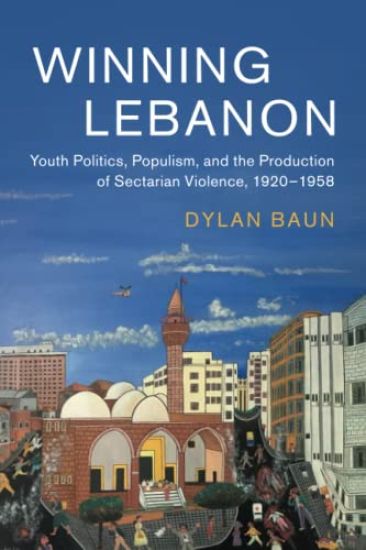
By the mid-twentieth century, youth movements around the globe ruled the streets. In Lebanon, young people in these groups attended lectures, sang songs, and participated in sporting events; their music tastes, clothing choices and routine activities shaped their identities. Yet scholars of modern Lebanon often focus exclusively on the sectarian makeup and violent behaviors of these socio-political groupings, obscuring the youth cultures that they forged. Using unique sources to highlight the daily lives of the young men and women of Lebanon's youth politics, Dylan Baun traces the political and cultural history of a diverse set of youth-centric organizations from the 1920s to 1950s to reveal how these youth movements played significant roles in the making of the modern Middle East. Outlining how youth movements established a distinct type of politics and populism, Winning Lebanon reveals that these groups both encouraged the political socialization of different types of youth, and, through their attempts to 'win' Lebanon - physically and metaphorically - around the 1958 War, helped produce sectarian violence.
Winning Lebanon

Winning Lebanon

Dylan Baun

Cambridge University Press
2022
pokkari
By the mid-twentieth century, youth movements around the globe ruled the streets. In Lebanon, young people in these groups attended lectures, sang songs, and participated in sporting events; their music tastes, clothing choices and routine activities shaped their identities. Yet scholars of modern Lebanon often focus exclusively on the sectarian makeup and violent behaviors of these socio-political groupings, obscuring the youth cultures that they forged. Using unique sources to highlight the daily lives of the young men and women of Lebanon's youth politics, Dylan Baun traces the political and cultural history of a diverse set of youth-centric organizations from the 1920s to 1950s to reveal how these youth movements played significant roles in the making of the modern Middle East. Outlining how youth movements established a distinct type of politics and populism, Winning Lebanon reveals that these groups both encouraged the political socialization of different types of youth, and, through their attempts to 'win' Lebanon - physically and metaphorically - around the 1958 War, helped produce sectarian violence.