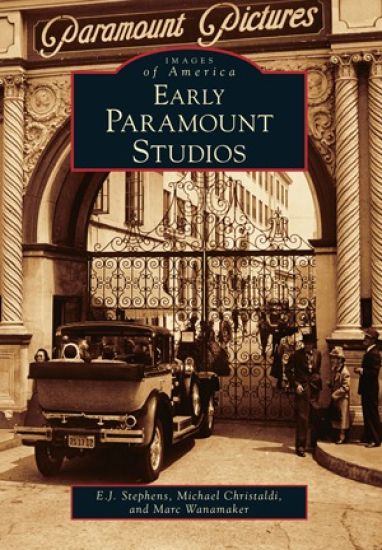
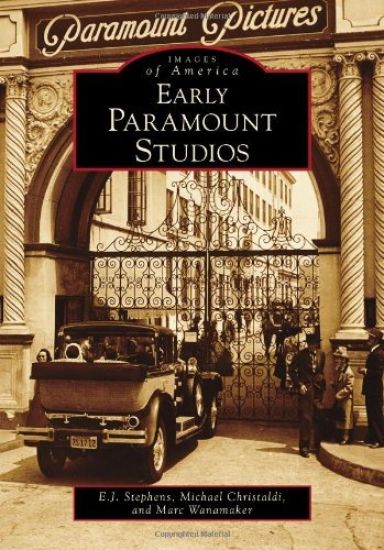
The fascinating tale of Hollywood powerhouse Paramount Pictures--beginning with its birth in the 1910s through the turbulent decade of the 1930s--was told in Early Paramount Studios by Marc Wanamaker, Michael Christaldi, and E.J. Stephens. Now the same authors are back to tell the next 60 years of the studio saga in Paramount Studios: 1940-2000, with a foreword by former Paramount head of production Robert Evans. This book picks up the story during the time of World War II--a successful era for the studio--which was followed by a decade of decline due to the upstart medium of television. By the 1960s, the studio teetered on the brink of bankruptcy before rebounding, thanks to several 1970s blockbusters, such as Love Story, The Godfather, and Chinatown. The tale continues through the final decades of the 20th century when Paramount showcased some of the greatest hits in its history.
The fascinating tale of Hollywood powerhouse Paramount Pictures beginning with its birth in the 1910s through the turbulent decade of the 1930s was told in Early Paramount Studios by Marc Wanamaker, Michael Christaldi, and E.J. Stephens. Now the same authors are back to tell the next 60 years of the studio saga in Paramount Studios: 1940 2000, with a foreword by former Paramount head of production Robert Evans. This book picks up the story during the time of World War II a successful era for the studio which was followed by a decade of decline due to the upstart medium of television. By the 1960s, the studio teetered on the brink of bankruptcy before rebounding, thanks to several 1970s blockbusters, such as Love Story, The Godfather, and Chinatown. The tale continues through the final decades of the 20th century when Paramount showcased some of the greatest hits in its history."
For over 100 years, Paramount Pictures has been captivating movie and television audiences worldwide with its alluring imagery and compelling stories. Arising from the collective genius of Adolph Zukor, Jesse L. Lasky, and Cecil B. DeMille during the 1910s, Paramount Pictures is home to such enduring classics as Wings, Sunset Boulevard, The Ten Commandments, Love Story, The Godfather, the Indiana Jones series, Chinatown, Forrest Gump, Braveheart, Titanic, and Star Trek. Early Paramount Studios chronicles Paramount's origins, culminating in the creation and expansion of the lot at 5555 Melrose Avenue, the last major motion picture studio still in Hollywood.
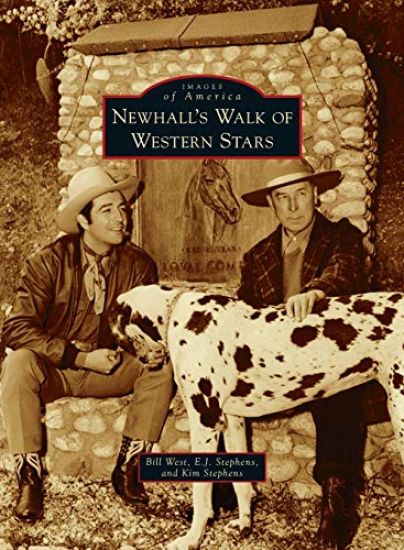
Since 1981, the Walk of Western Stars in Newhall, California, has commemorated beloved performers from Western film, television, radio, and music. Over the years, nearly 100 honorees have been memorialized in the sidewalks of Old Town Newhall with bronze saddles and terrazzo tiles. Each April, new inductees are added to the walk during the Santa Clarita Cowboy Festival. Santa Clarita, which includes Newhall, has a century-long history of Western film and television production that continues to this day. Newhall is the site of William S. Hart Park, where silent cowboy superstar William S. Two Gun Bill Hart, the first Walk of Western Stars inductee, had his retirement home. It is also the home of such Western gems as Melody Ranch, a film ranch once owned by Gene Autry that is still in operation. Melody is where Matt Dillon first stared down the bad guys in Gunsmoke, where Al Swearengen ruled over Deadwood, and where the hosts first became sentient in television's Westworld.
Nickelodeon cowboy star William S. Hart thrilled millions of fans in over 70 shoot-'em-ups in the early days of silent cinema. After completing his film career in 1925, Hart retired to Horseshoe Ranch in Newhall, California, where he lived until his death in 1946. Hart willed the property to the County of Los Angeles, requesting that it become a park and museum, stating: When I was making pictures, the people gave me their nickels, dimes, and quarters. When I am gone, I want them to have my home. William S. Hart Park stands as a fitting testament to Hart's life and generosity. On its 265 acres, visitors can tour his 22-room retirement mansion and ranch house, picnic on the park's spacious tree-shaded lawns, wander miles of trails, feed animals at the barnyard, and admire the herd of American bison, descendants of those gifted to the park by Walt Disney. The park is also home to Heritage Junction, which houses many of Santa Clarita's most historic buildings and serves as headquarters for the Santa Clarita Valley Historical Society.
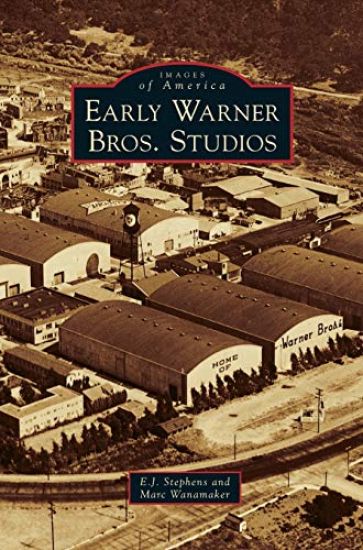
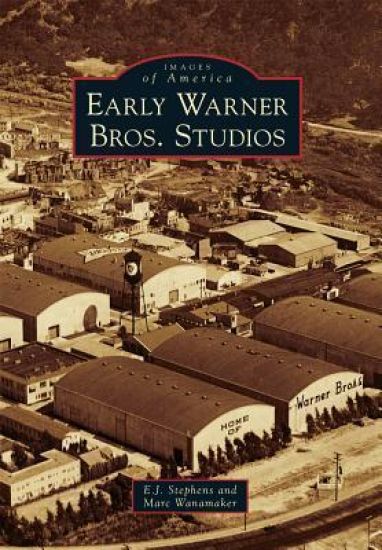
Since 1928, Warner Bros. has produced thousands of beloved films and television shows at the studio's magical 110-acre film factory in Burbank. This collection of evocative images concentrates on the Warner Bros. legacy from the 1920s to the 1950s, when timeless classics such as Casablanca, The Maltese Falcon, and East of Eden came to life. It also looks at WB's earlier homes along Hollywood's "Poverty Row," the birthplace of Looney Tunes, and the site of WB's pioneering marriage between film and sound in the 1920s. Early Warner Bros. Studios also tells the tale of four brothers--Harry, Albert, Sam, and Jack Warner--scions of a Polish Jewish immigrant family who rose from the humblest of origins to become Hollywood moguls of enormous and lasting influence.
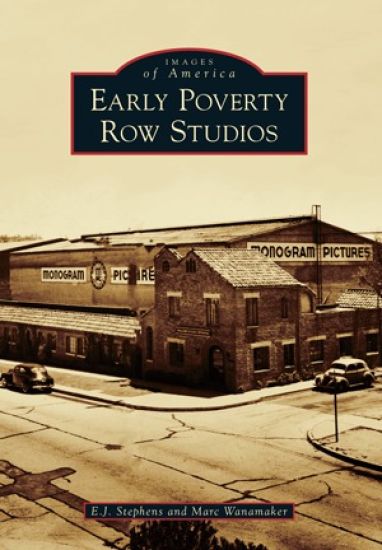
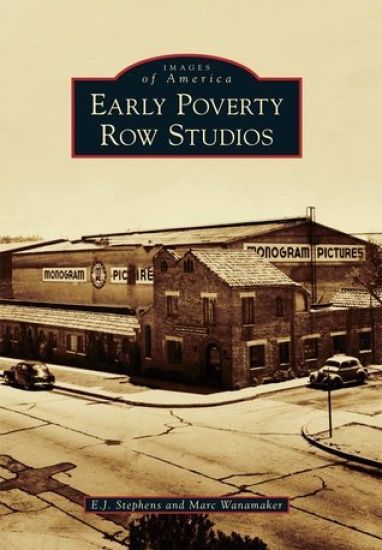
The history of Hollywood is often seen only through the lens of the major studios, forgetting that many of Tinseltown s early creations came from micro-studios stretched along Sunset Boulevard in an area disparagingly known as Poverty Row. Here, the first
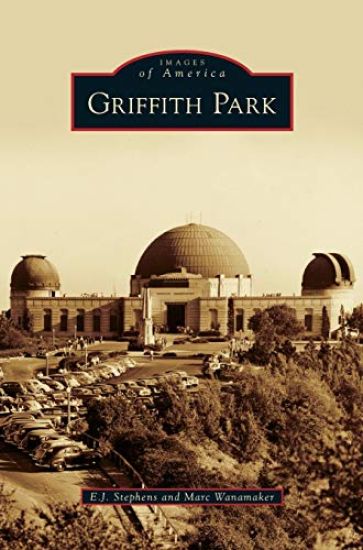
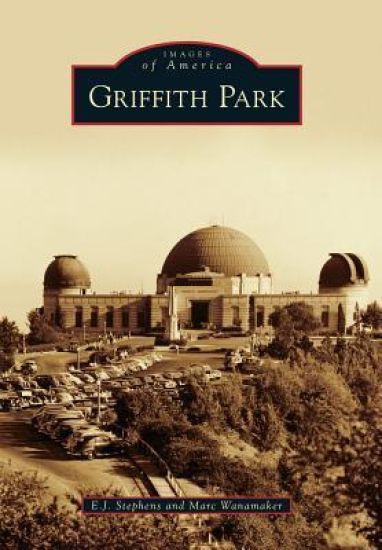
Carved from the former Spanish land grant known as Rancho Los Feliz, Griffith Park, a rugged, 4,300-acre wilderness located in the heart of Los Angeles, has been the principal playground for Angelenos for over a century. Since 1896, when the land was donated to the city by controversial philanthropist Col. Griffith J. Griffith, generations of weekenders have picnicked, camped, golfed, ridden horses, hiked, bicycled, and played ball in the park. To this day, visitors still climb aboard its mini-train and merry-go-round and explore its zoo, museums, amphitheater, and world-famous observatory. The park, which lies in the shadow of the Hollywood sign, has been a frequent filming site for legendary movies like Back to the Future, Birth of a Nation, and Rebel Without a Cause.