Kirjojen hintavertailu. Mukana 11 342 296 kirjaa ja 12 kauppaa.

Kirjahaku

Etsi kirjoja tekijän nimen, kirjan nimen tai ISBN:n perusteella.

7 kirjaa tekijältä Ed Conway

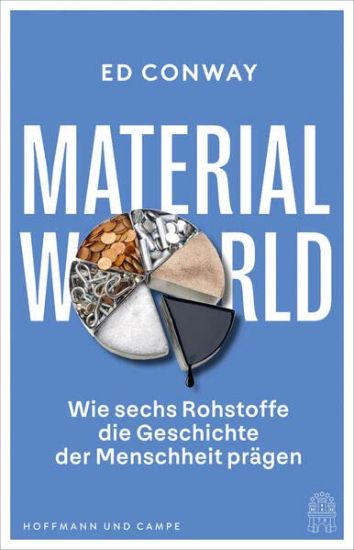
Material World: The Six Raw Materials That Shape Modern Civilization
THE NEW YORK TIMES BOOK REVIEW EDITORS' CHOICE - AN ECONOMIST BEST BOOK OF THE YEAR - Finalist for the Financial Times and Schroders Business Book of the Year Award Sand, salt, iron, copper, oil, and lithium. These fundamental materials have created empires, razed civilizations and fed our ingenuity and our greed for thousands of years. Without them, our modern world would not exist, and the battle to control them will determine our future. The fiber-optic cables that weave the World Wide Web, the copper veins of our electric grid, the silicon chips and lithium batteries that power our phones and cars: though it can feel like we now live in a weightless world of information--what Ed Conway calls "the ethereal world"--our twenty-first-century lives are still very much rooted in the material. In fact, we dug more stuff out of the earth in 2017 than in all of human history before 1950. For every ton of fossil fuels, we extract six tons of other materials, from sand to stone to wood tometal. And in Material World, Conway embarks on an epic journey across continents, cultures and epochs to reveal the underpinnings of modern life on Earth--traveling from the sweltering depths ofthe deepest mine in Europe to spotless silicon chip factories in Taiwan to the eerie green pools where lithium originates. Material World is a celebration of the humans and the human networks, the miraculous processes and the little-known companies, that combine to turn raw materials into things of wonder. This is the story of human civilization from an entirely new perspective: the ground up.
Material World: The Six Raw Materials That Shape Modern Civilization
THE NEW YORK TIMES BOOK REVIEW EDITORS' CHOICE - AN ECONOMIST BEST BOOK OF THE YEAR - Sand, salt, iron, copper, oil, and lithium. These fundamental materials have created empires, razed civilizations, and fed our ingenuity and greed for thousands of years. Without them, our modern world would not exist, and the battle to control them will determine our future. - Finalist for the Financial Times and Schroders Business Book of the Year Award The fiber-optic cables that weave the World Wide Web, the copper veins of our electric grids, the silicon chips and lithium batteries that power our phones and cars: though it can feel like we now live in a weightless world of information--what Ed Conway calls "the ethereal world"--our twenty-first-century lives are still very much rooted in the material. In fact, we dug more stuff out of the earth in 2017 than in all of human history before 1950. For every ton of fossil fuels, we extract six tons of other materials, from sand to stone to wood to metal. And in Material World, Conway embarks on an epic journey across continents, cultures, and epochs to reveal the underpinnings of modern life on Earth--traveling from the sweltering depths of the deepest mine in Europe to spotless silicon chip factories in Taiwan to the eerie green pools where lithium originates. Material World is a celebration of the humans and the human networks, the miraculous processes and the little-known companies, that combine to turn raw materials into things of wonder. This is the story of human civilization from an entirely new perspective: the ground up.
Trade World

Trade World

Ed Conway

Ebury Publishing
2026
sidottu
The story of trade is the story of humanity. From the copper in Mesopotamian ploughs to the silicon atoms within the chip inside your smartphone, intricate global trading networks have evolved over millennia to fulfil the distinctly human desire to buy and sell. Today, the volume of trade bestriding the planet is unprecedented. Yet, as fractures in the global order emerge – from an era of globalisation and untrammelled flows of goods and money to a new world of restrictions, intervention and, possibly, war – understanding this fundamental shift to the dominant economic consensus is more important than ever. In TRADE WORLD, bestselling, award-winning author Ed Conway tells this extraordinary story through these three commonplace products – bread, cloth and cars. With a compelling blend of economic history and first-hand access to key figures and institutions, he takes us from policy treaties to ground level to show us the people who make, ship and sometimes smuggle the products we buy on a daily basis. Discover the hidden, shifting trade world behind everything you see around you.
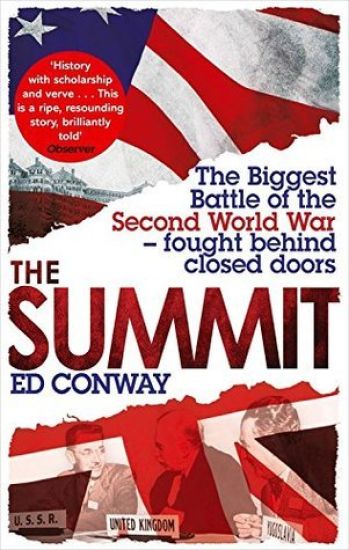
The Summit: Bretton Woods, 1944: J. M. Keynes and the Reshaping of the Global Economy
The idea of world leaders gathering in the midst of economic crisis is now familiar. But 1944's meeting at Bretton Woods was different. It was the only time countries agreed to overhaul the structure of the international monetary system. Their resulting system presided over the longest period of growth in history. Its demise decades later was at least partly responsible for the financial collapse of the 2000s.But what everyone has assumed to be a dry economic conference was in fact replete with drama. The delegates spent half the time at each other's throats and the other half drinking in the bar. All the while, war in Europe raged on.The heart of the conference was the love-hate relationship between John Maynard Keynes -- the greatest economist of his day, who suffered a heart attack at the conference -- and his American counterpart Harry Dexter White (later revealed to be passing information to Russian spies). Both were intent on creating a settlement which would prevent another war while at the same time defending their countries' interests.Drawing on unpublished accounts, diaries, and oral histories, The Summit describes the conference in stunning color and clarity. Written with exceptional verve and narrative pace, this is an extraordinary debut from a talented new historian.