
Kirjahaku
Etsi kirjoja tekijän nimen, kirjan nimen tai ISBN:n perusteella.
4 kirjaa tekijältä Edith Balas
The Mother Goddess in Italian Renaissance Art
Edith Balas
Carnegie-Mellon University Press
2002
sidottu
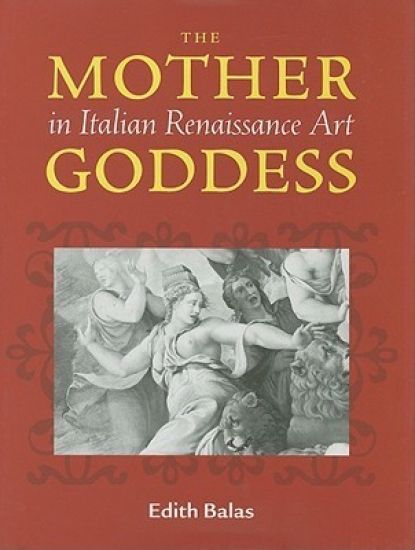
Although much has been written over the years about the ancient mystery religions and their influence on the intellectual life of the Renaissance, scholars have neglected their role in art. This is a serious omission in the case of one of the most popular cultic deities, the Mother Goddess, whose colorful myths and exotic rites, described in fascinating detail by classical authors, became a rich source of imagery for Renaissance writers, antiquarians, and artists. She was especially important to the Neoplatonist philosophers of the period, for whom she embodied the idea of love as the great universal bond and conveyor of divine influences to the mortal realm. In this ground-breaking study, Edith Balas draws upon a wide range of humanistic learning to examine the significance of the Mother Goddess and her cult in the works of such major figures as Botticelli, Mantegna, Michelangelo, Titian, and Raphael, as well in those of a host of lesser artists, including Neroccio de' Landi, Baltasare Peruzzi, Giorgio Vasari, and Pirro Ligorio. Dr. Balas not only provides additional keys to solving the often dauntingly complex riddles posed by many Quattrocento and Cinquecento images--images originally intended to be understood only by a learned elite--but also furnishes scholars with a valuable methodological model for analyzing the presence and meaning of other ancient religious cults in Renaissance art.
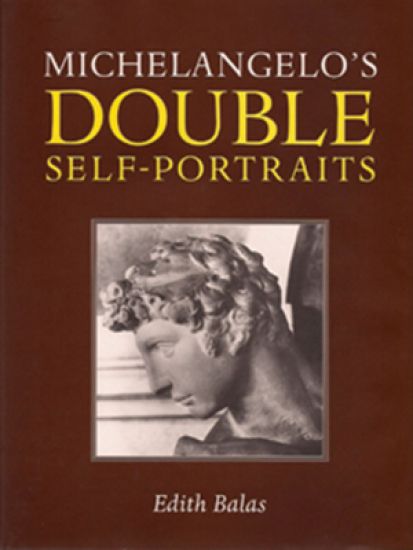
For many years scholars have been aware that Michelangelo included his own image in his art. In this study, Edith Balas discusses two previously unrecognized double self-portraits. The earliest of these, a statue known as the Victory, was a private project in which an aging Michelangelo of depicted himself surmounted by an idealized alter ego, a figure associated with his younger self, his beloved friend Tommaso Cavalieri, and the David and Goliath theme that preoccupied him through much of his career. In the second of these double self-portraits, The Conversion of Paul in the Pauline Chapel of the Vatican, the artist, again portraying himself in youth and old age, used a central event in sacred history to make a statement about his own spiritual transformation from Neoplatonist "paganism" to a more orthodox form of Christian piety. Dr. Balas carefully explores the meaning of both works with reference to Michelangelo's life, art and poetry, and reveals them to be among the profoundest autobiographical statements in the history of Western art.