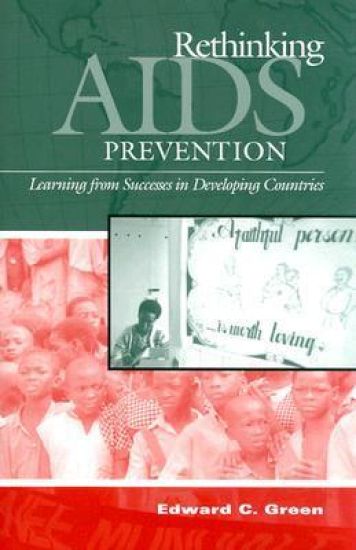
This is not another book about how AIDS is out of control in Africa and Third World nations, or one complaining about the inadequacy of secured funds to fight the pandemic. The author looks objectively at countries that have succeeded in reducing HIV infection rates...along with a worrisome flip side to the progress. The largely medical solutions funded by major donors have had little impact in Africa, the continent hardest hit by AIDS. Instead, relatively simple, low-cost behavioral change programs—stressing increased monogamy and delayed sexual activity for young people—have made the greatest headway in fighting or preventing the disease's spread. Ugandans pioneered these simple, sustainable interventions and achieved significant results. As National Review journalist Rod Dreher put it, Rather than pay for clinics, gadgets and medical procedures—especially in the important earlier years of its response to the epidemic—Uganda mobilized human resources. In a New York Times interview, Green cited evidence that partner reduction, promoted as mutual faithfulness, is the single most effective way of reducing the spread of AIDS.That deceptively simple solution is not merely about medical advances or condom use. It is about the ABC model: Abstain, Be faithful, and use Condoms if A and B are impossible. Yet deeply rooted Western biases have obstructed the effectiveness of AIDS prevention. Many Western scientists have attacked the ABC approach as impossible and moralistic. Some Western activists and HIV carriers have been outraged, thinking the approach passes moral judgment on their behaviors. But there is also a troubling suspicion among a growing number of scientists who support the ABC model that certain opponents may simply be AIDS profiteers, more interested in protecting their incomes than battling the disease. This book is a bellwether in the escalating controversy, offering persuasive evidence in support of the ABC approach and exposing the fallacies and motivations of its opponents.