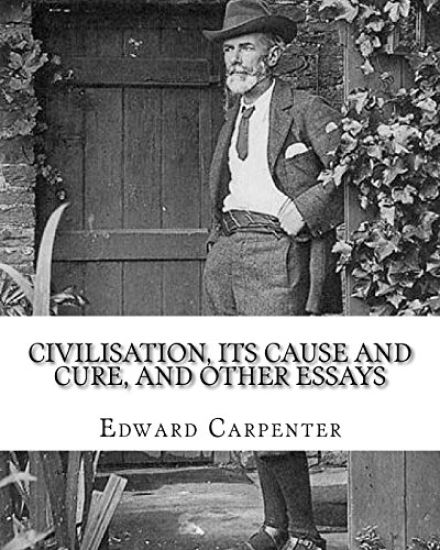
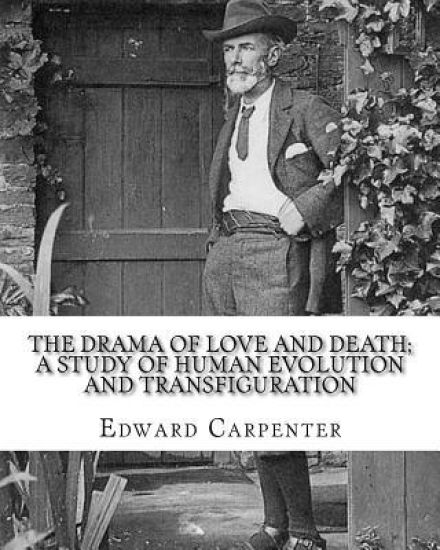
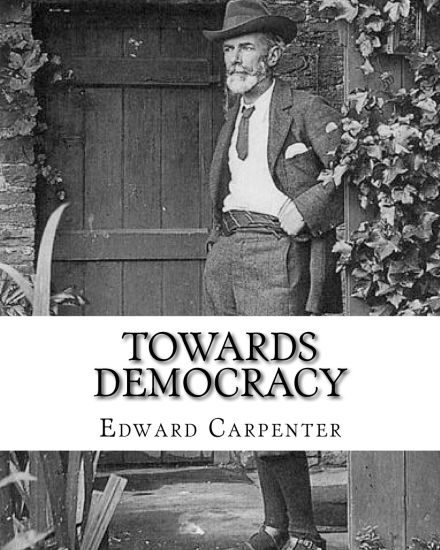
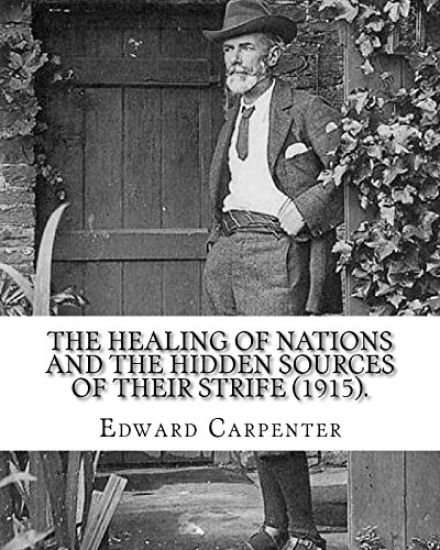
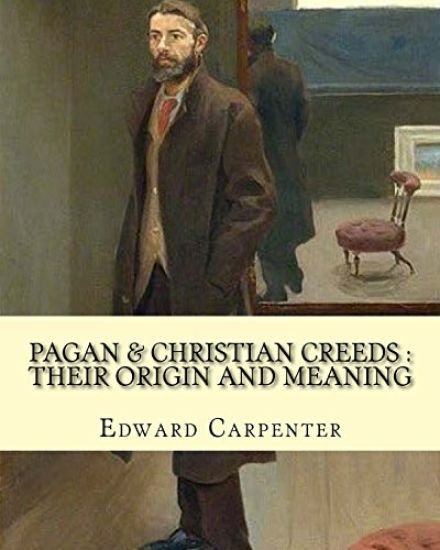
This collection of Edward Carpenter’s works provides an in-depth insight to his most important studies throughout the late nineteenth and early twentieth centuries including Civilisation: It’s Cause and Cure, The Light from the East and The Drama of Love and Death. The ten titles included in this set expand on the well-known poet and philosopher’s socialist views, his studies of Hinduism and his ideas of ‘intermediate types’ which was a particularly important theory in the history of LGBT activism.
Edward Carpenter (29 August 1844 - 28 June 1929) was an English socialist poet, philosopher, anthologist, and early LGBT activist. A poet and writer, he was a close friend of Rabindranath Tagore, and a friend of Walt Whitman. He corresponded with many famous figures such as Annie Besant, Isadora Duncan, Havelock Ellis, Roger Fry, Mahatma Gandhi, James Keir Hardie, J. K. Kinney, Jack London, George Merrill, E D Morel, William Morris, E R Pease, John Ruskin, and Olive Schreiner. As a philosopher he is particularly known for his publication of Civilisation, Its Cause and Cure in which he proposes that civilisation is a form of disease that human societies pass through. An early advocate of sexual freedoms, he had an influence on both D. H. Lawrence and Aurobindo, and inspired E. M. Forster's novel Maurice Born in Hove in Sussex, Carpenter was educated at nearby Brighton College where his father was a governor. His brothers Charles, George and Alfred also went to school there. When he was ten, he displayed a flair for the piano. His academic ability appeared relatively late in his youth, but was sufficient enough to earn him a place at Trinity Hall, Cambridge. Whilst there he began to explore his feelings for men. One of the most notable examples of this is his close friendship with Edward Anthony Beck (later Master of Trinity Hall), which, according to Carpenter, had "a touch of romance". Beck eventually ended their friendship, causing Carpenter great emotional heartache. Carpenter graduated as 10th Wrangler in 1868. After university he joined the Church of England as a curate, "as a convention rather than out of deep Conviction". In 1871 he was invited to become tutor to the royal princes George Frederick (late King George V) and his elder brother, Prince Albert Victor, Duke of Clarence, but declined the position. The job instead went to his lifelong friend and fellow Cambridge student John Neale Dalton. Carpenter continued to visit Dalton while he was tutor, and was presented with photographs of themselves by the princes. In the following years he experienced an increasing sense of dissatisfaction with his life in the church and university, and became weary of what he saw as the hypocrisy of Victorian society. 6] He found great solace in reading poetry, later remarking that his discovery of the work of Walt Whitman caused "a profound change" in him. (My Days and Dreams p. 64
Edward Carpenter (29 August 1844 - 28 June 1929) was an English socialist poet, philosopher, anthologist, and early LGBT activist. A poet and writer, he was a close friend of Rabindranath Tagore, and a friend of Walt Whitman. He corresponded with many famous figures such as Annie Besant, Isadora Duncan, Havelock Ellis, Roger Fry, Mahatma Gandhi, James Keir Hardie, J. K. Kinney, Jack London, George Merrill, E D Morel, William Morris, E R Pease, John Ruskin, and Olive Schreiner. As a philosopher he is particularly known for his publication of Civilisation, Its Cause and Cure in which he proposes that civilisation is a form of disease that human societies pass through. An early advocate of sexual freedoms, he had an influence on both D. H. Lawrence and Aurobindo, and inspired E. M. Forster's novel Maurice Born in Hove in Sussex, Carpenter was educated at nearby Brighton College where his father was a governor. His brothers Charles, George and Alfred also went to school there. When he was ten, he displayed a flair for the piano. His academic ability appeared relatively late in his youth, but was sufficient enough to earn him a place at Trinity Hall, Cambridge. Whilst there he began to explore his feelings for men. One of the most notable examples of this is his close friendship with Edward Anthony Beck (later Master of Trinity Hall), which, according to Carpenter, had "a touch of romance". Beck eventually ended their friendship, causing Carpenter great emotional heartache. Carpenter graduated as 10th Wrangler in 1868. After university he joined the Church of England as a curate, "as a convention rather than out of deep Conviction". In 1871 he was invited to become tutor to the royal princes George Frederick (late King George V) and his elder brother, Prince Albert Victor, Duke of Clarence, but declined the position. The job instead went to his lifelong friend and fellow Cambridge student John Neale Dalton. Carpenter continued to visit Dalton while he was tutor, and was presented with photographs of themselves by the princes. In the following years he experienced an increasing sense of dissatisfaction with his life in the church and university, and became weary of what he saw as the hypocrisy of Victorian society. 6] He found great solace in reading poetry, later remarking that his discovery of the work of Walt Whitman caused "a profound change" in him. (My Days and Dreams p. 64
Edward Carpenter (29 August 1844 - 28 June 1929) was an English socialist poet, philosopher, anthologist, and early LGBT activist. A poet and writer, he was a close friend of Rabindranath Tagore, and a friend of Walt Whitman. He corresponded with many famous figures such as Annie Besant, Isadora Duncan, Havelock Ellis, Roger Fry, Mahatma Gandhi, Keir Hardie, J. K. Kinney, Jack London, George Merrill, E. D. Morel, William Morris, Edward R. Pease, John Ruskin, and Olive Schreiner. As a philosopher he is particularly known for his publication of Civilisation, Its Cause and Cure in which he proposes that civilisation is a form of disease that human societies pass through. An early advocate of sexual freedoms, he had an influence on both D. H. Lawrence and Aurobindo, and inspired E. M. Forster's novel Maurice Born in Hove in Sussex, Carpenter was educated at nearby Brighton College where his father was a governor. His brothers Charles, George and Alfred also went to school there. When he was ten, he displayed a flair for the piano. His academic ability appeared relatively late in his youth, but was sufficient enough to earn him a place at Trinity Hall, Cambridge. Whilst there he began to explore his feelings for men. One of the most notable examples of this is his close friendship with Edward Anthony Beck (later Master of Trinity Hall), which, according to Carpenter, had "a touch of romance". Beck eventually ended their friendship, causing Carpenter great emotional heartache. Carpenter graduated as 10th Wrangler in 1868. After university he joined the Church of England as a curate, "as a convention rather than out of deep Conviction". In 1871 he was invited to become tutor to the royal princes George Frederick (late King George V) and his elder brother, Prince Albert Victor, Duke of Clarence, but declined the position. The job instead went to his lifelong friend and fellow Cambridge student John Neale Dalton. Carpenter continued to visit Dalton while he was tutor, and was presented with photographs of themselves by the princes.
Edward Carpenter (29 August 1844 - 28 June 1929) was an English socialist poet, philosopher, anthologist, and early LGBT activist. A poet and writer, he was a close friend of Rabindranath Tagore, and a friend of Walt Whitman. He corresponded with many famous figures such as Annie Besant, Isadora Duncan, Havelock Ellis, Roger Fry, Mahatma Gandhi, Keir Hardie, J. K. Kinney, Jack London, George Merrill, E. D. Morel, William Morris, Edward R. Pease, John Ruskin, and Olive Schreiner. As a philosopher he is particularly known for his publication of Civilisation, Its Cause and Cure in which he proposes that civilisation is a form of disease that human societies pass through. An early advocate of sexual freedoms, he had an influence on both D. H. Lawrence and Aurobindo, and inspired E. M. Forster's novel Maurice Born in Hove in Sussex, Carpenter was educated at nearby Brighton College where his father was a governor. His brothers Charles, George and Alfred also went to school there. When he was ten, he displayed a flair for the piano. His academic ability appeared relatively late in his youth, but was sufficient enough to earn him a place at Trinity Hall, Cambridge. Whilst there he began to explore his feelings for men. One of the most notable examples of this is his close friendship with Edward Anthony Beck (later Master of Trinity Hall), which, according to Carpenter, had "a touch of romance". Beck eventually ended their friendship, causing Carpenter great emotional heartache. Carpenter graduated as 10th Wrangler in 1868. After university he joined the Church of England as a curate, "as a convention rather than out of deep Conviction". In 1871 he was invited to become tutor to the royal princes George Frederick (late King George V) and his elder brother, Prince Albert Victor, Duke of Clarence, but declined the position. The job instead went to his lifelong friend and fellow Cambridge student John Neale Dalton. Carpenter continued to visit Dalton while he was tutor, and was presented with photographs of themselves by the princes.
Edward Carpenter (29 August 1844 - 28 June 1929) was an English socialist poet, philosopher, anthologist, and early LGBT activist. A poet and writer, he was a close friend of Rabindranath Tagore, and a friend of Walt Whitman.He corresponded with many famous figures such as Annie Besant, Isadora Duncan, Havelock Ellis, Roger Fry, Mahatma Gandhi, Keir Hardie, J. K. Kinney, Jack London, George Merrill, E. D. Morel, William Morris, Edward R. Pease, John Ruskin, and Olive Schreiner. As a philosopher he is particularly known for his publication of Civilisation, Its Cause and Cure in which he proposes that civilisation is a form of disease that human societies pass through. An early advocate of sexual freedoms, he had an influence on both D. H. Lawrence and Aurobindo, and inspired E. M. Forster's novel Maurice.Born in Hove in Sussex, Carpenter was educated at nearby Brighton College where his father was a governor. His brothers Charles, George and Alfred also went to school there. When he was ten, he displayed a flair for the piano. His academic ability appeared relatively late in his youth, but was sufficient enough to earn him a place at Trinity Hall, Cambridge.Whilst there he began to explore his feelings for men. One of the most notable examples of this is his close friendship with Edward Anthony Beck (later Master of Trinity Hall), which, according to Carpenter, had "a touch of romance".Beck eventually ended their friendship, causing Carpenter great emotional heartache. Carpenter graduated as 10th Wrangler in 1868.After university he joined the Church of England as a curate, "as a convention rather than out of deep Conviction". In 1871 he was invited to become tutor to the royal princes George Frederick (late King George V) and his elder brother, Prince Albert Victor, Duke of Clarence, but declined the position. The job instead went to his lifelong friend and fellow Cambridge student John Neale Dalton.Carpenter continued to visit Dalton while he was tutor, and was presented with photographs of themselves by the princes. In the following years he experienced an increasing sense of dissatisfaction with his life in the church and university, and became weary of what he saw as the hypocrisy of Victorian society. He found great solace in reading poetry, later remarking that his discovery of the work of Walt Whitman caused "a profound change" in him..........
CONTENTS Introductory Solar Myths and Christian Festivals The Symbolism of the Zodiac Totem-Sacraments and Eucharists Food and Vegetation Magic Magicians, Kings and Gods Rites of Expiation and Redemption Pagan Initiations and the Second Birth Myth of the Golden Age The Saviour-God and the Virgin-Mother Ritual Dancing The Sex-Taboo The Genesis of Christianity The Meaning of it All The Ancient Mysteries The Exodus of Christianity Conclusion Appendix on the Teachings of the Upanishads I Rest II. The Nature of the Self Index. Edward Carpenter (29 August 1844 - 28 June 1929) was an English socialist poet, philosopher, anthologist, and early LGBT activist. A poet and writer, he was a close friend of Rabindranath Tagore, and a friend of Walt Whitman.He corresponded with many famous figures such as Annie Besant, Isadora Duncan, Havelock Ellis, Roger Fry, Mahatma Gandhi, Keir Hardie, J. K. Kinney, Jack London, George Merrill, E. D. Morel, William Morris, Edward R. Pease, John Ruskin, and Olive Schreiner. As a philosopher he is particularly known for his publication of Civilisation, Its Cause and Cure in which he proposes that civilisation is a form of disease that human societies pass through. An early advocate of sexual freedoms, he had an influence on both D. H. Lawrence and Aurobindo, and inspired E. M. Forster's novel Maurice.Born in Hove in Sussex, Carpenter was educated at nearby Brighton College where his father was a governor. His brothers Charles, George and Alfred also went to school there. When he was ten, he displayed a flair for the piano. His academic ability appeared relatively late in his youth, but was sufficient enough to earn him a place at Trinity Hall, Cambridge.Whilst there he began to explore his feelings for men. One of the most notable examples of this is his close friendship with Edward Anthony Beck (later Master of Trinity Hall), which, according to Carpenter, had "a touch of romance".Beck eventually ended their friendship, causing Carpenter great emotional heartache. Carpenter graduated as 10th Wrangler in 1868.After university he joined the Church of England as a curate, "as a convention rather than out of deep Conviction". In 1871 he was invited to become tutor to the royal princes George Frederick (late King George V) and his elder brother, Prince Albert Victor, Duke of Clarence, but declined the position. The job instead went to his lifelong friend and fellow Cambridge student John Neale Dalton.Carpenter continued to visit Dalton while he was tutor, and was presented with photographs of themselves by the princes. In the following years he experienced an increasing sense of dissatisfaction with his life in the church and university, and became weary of what he saw as the hypocrisy of Victorian society.He found great solace in reading poetry, later remarking that his discovery of the work of Walt Whitman caused "a profound change" in him......
Edward Carpenter (29 August 1844 - 28 June 1929) was an English socialist poet, philosopher, anthologist, and early activist for rights for homosexuals. A poet and writer, he was a close friend of Rabindranath Tagore, and a friend of Walt Whitman. He corresponded with many famous figures such as Annie Besant, Isadora Duncan, Havelock Ellis, Roger Fry, Mahatma Gandhi, Keir Hardie, J. K. Kinney, Jack London, George Merrill, E. D. Morel, William Morris, Edward R. Pease, John Ruskin, and Olive Schreiner. As a philosopher he was particularly known for his publication of Civilisation, Its Cause and Cure in which he proposes that civilisation is a form of disease that human societies pass through. An early advocate of sexual freedoms, he had an influence on both D. H. Lawrence and Sri Aurobindo, and inspired E. M. Forster's novel Maurice. Early life: Born in Hove in Sussex, Carpenter was educated at nearby Brighton College where his father was a governor. His brothers Charles, George and Alfred also went to school there. When he was ten, he displayed a flair for the piano. His academic ability appeared relatively late in his youth, but was sufficient to earn him a place at Trinity Hall, Cambridge. Whilst there he began to explore his feelings for men. One of the most notable examples of this is his close friendship with Edward Anthony Beck (later Master of Trinity Hall), which, according to Carpenter, had "a touch of romance". Beck eventually ended their friendship, causing Carpenter great emotional heartache. Carpenter graduated as 10th Wrangler in 1868.After university he joined the Church of England as a curate, "as a convention rather than out of deep Conviction". In 1871 he was invited to become tutor to the royal princes George Frederick (late King George V) and his elder brother, Prince Albert Victor, Duke of Clarence, but declined the position. The job instead went to his lifelong friend and fellow Cambridge student John Neale Dalton.Carpenter continued to visit Dalton while he was tutor, and was presented with photographs of themselves by the princes. In the following years he experienced an increasing sense of dissatisfaction with his life in the church and university, and became weary of what he saw as the hypocrisy of Victorian society. He found great solace in reading poetry, later remarking that his discovery of the work of Walt Whitman caused "a profound change" in him. (My Days and Dreams p. 64).................
Edward Carpenter (29 August 1844 - 28 June 1929) was an English socialist poet, philosopher, anthologist, and early activist for rights for homosexuals. A poet and writer, he was a close friend of Rabindranath Tagore, and a friend of Walt Whitman. He corresponded with many famous figures such as Annie Besant, Isadora Duncan, Havelock Ellis, Roger Fry, Mahatma Gandhi, Keir Hardie, J. K. Kinney, Jack London, George Merrill, E. D. Morel, William Morris, Edward R. Pease, John Ruskin, and Olive Schreiner. As a philosopher he was particularly known for his publication of Civilisation, Its Cause and Cure in which he proposes that civilisation is a form of disease that human societies pass through. An early advocate of sexual freedoms, he had an influence on both D. H. Lawrence and Sri Aurobindo, and inspired E. M. Forster's novel Maurice. Early life: Born in Hove in Sussex, Carpenter was educated at nearby Brighton College where his father was a governor. His brothers Charles, George and Alfred also went to school there. When he was ten, he displayed a flair for the piano. His academic ability appeared relatively late in his youth, but was sufficient to earn him a place at Trinity Hall, Cambridge. Whilst there he began to explore his feelings for men. One of the most notable examples of this is his close friendship with Edward Anthony Beck (later Master of Trinity Hall), which, according to Carpenter, had "a touch of romance". Beck eventually ended their friendship, causing Carpenter great emotional heartache. Carpenter graduated as 10th Wrangler in 1868.After university he joined the Church of England as a curate, "as a convention rather than out of deep Conviction". In 1871 he was invited to become tutor to the royal princes George Frederick (late King George V) and his elder brother, Prince Albert Victor, Duke of Clarence, but declined the position. The job instead went to his lifelong friend and fellow Cambridge student John Neale Dalton.Carpenter continued to visit Dalton while he was tutor, and was presented with photographs of themselves by the princes. In the following years he experienced an increasing sense of dissatisfaction with his life in the church and university, and became weary of what he saw as the hypocrisy of Victorian society. He found great solace in reading poetry, later remarking that his discovery of the work of Walt Whitman caused "a profound change" in him. (My Days and Dreams p. 64)
Edward Carpenter (29 August 1844 - 28 June 1929) was an English socialist poet, philosopher, anthologist, and early activist for rights for homosexuals. A poet and writer, he was a close friend of Rabindranath Tagore, and a friend of Walt Whitman. He corresponded with many famous figures such as Annie Besant, Isadora Duncan, Havelock Ellis, Roger Fry, Mahatma Gandhi, Keir Hardie, J. K. Kinney, Jack London, George Merrill, E. D. Morel, William Morris, Edward R. Pease, John Ruskin, and Olive Schreiner. As a philosopher he was particularly known for his publication of Civilisation, Its Cause and Cure in which he proposes that civilisation is a form of disease that human societies pass through. An early advocate of sexual freedoms, he had an influence on both D. H. Lawrence and Sri Aurobindo, and inspired E. M. Forster's novel Maurice. Early life: Born in Hove in Sussex, Carpenter was educated at nearby Brighton College where his father was a governor. His brothers Charles, George and Alfred also went to school there. When he was ten, he displayed a flair for the piano. His academic ability appeared relatively late in his youth, but was sufficient to earn him a place at Trinity Hall, Cambridge. Whilst there he began to explore his feelings for men. One of the most notable examples of this is his close friendship with Edward Anthony Beck (later Master of Trinity Hall), which, according to Carpenter, had "a touch of romance". Beck eventually ended their friendship, causing Carpenter great emotional heartache. Carpenter graduated as 10th Wrangler in 1868.After university he joined the Church of England as a curate, "as a convention rather than out of deep Conviction". In 1871 he was invited to become tutor to the royal princes George Frederick (late King George V) and his elder brother, Prince Albert Victor, Duke of Clarence, but declined the position. The job instead went to his lifelong friend and fellow Cambridge student John Neale Dalton.Carpenter continued to visit Dalton while he was tutor, and was presented with photographs of themselves by the princes. In the following years he experienced an increasing sense of dissatisfaction with his life in the church and university, and became weary of what he saw as the hypocrisy of Victorian society. He found great solace in reading poetry, later remarking that his discovery of the work of Walt Whitman caused "a profound change" in him. (My Days and Dreams p. 64).....................
Edward Carpenter (29 August 1844 - 28 June 1929) was an English socialist poet, philosopher, anthologist, and early activist for rights for homosexuals. A poet and writer, he was a close friend of Rabindranath Tagore, and a friend of Walt Whitman. He corresponded with many famous figures such as Annie Besant, Isadora Duncan, Havelock Ellis, Roger Fry, Mahatma Gandhi, Keir Hardie, J. K. Kinney, Jack London, George Merrill, E. D. Morel, William Morris, Edward R. Pease, John Ruskin, and Olive Schreiner. As a philosopher he was particularly known for his publication of Civilisation, Its Cause and Cure in which he proposes that civilisation is a form of disease that human societies pass through. An early advocate of sexual freedoms, he had an influence on both D. H. Lawrence and Sri Aurobindo, and inspired E. M. Forster's novel Maurice. Early life: Born in Hove in Sussex, Carpenter was educated at nearby Brighton College where his father was a governor. His brothers Charles, George and Alfred also went to school there. When he was ten, he displayed a flair for the piano. His academic ability appeared relatively late in his youth, but was sufficient to earn him a place at Trinity Hall, Cambridge. Whilst there he began to explore his feelings for men. One of the most notable examples of this is his close friendship with Edward Anthony Beck (later Master of Trinity Hall), which, according to Carpenter, had "a touch of romance". Beck eventually ended their friendship, causing Carpenter great emotional heartache. Carpenter graduated as 10th Wrangler in 1868.After university he joined the Church of England as a curate, "as a convention rather than out of deep Conviction". In 1871 he was invited to become tutor to the royal princes George Frederick (late King George V) and his elder brother, Prince Albert Victor, Duke of Clarence, but declined the position. The job instead went to his lifelong friend and fellow Cambridge student John Neale Dalton.Carpenter continued to visit Dalton while he was tutor, and was presented with photographs of themselves by the princes. In the following years he experienced an increasing sense of dissatisfaction with his life in the church and university, and became weary of what he saw as the hypocrisy of Victorian society. He found great solace in reading poetry, later remarking that his discovery of the work of Walt Whitman caused "a profound change" in him. (My Days and Dreams p. 64)............
Edward Carpenter (29 August 1844 - 28 June 1929) was an English socialist poet, philosopher, anthologist, and early activist for rights for homosexuals. A poet and writer, he was a close friend of Rabindranath Tagore, and a friend of Walt Whitman. He corresponded with many famous figures such as Annie Besant, Isadora Duncan, Havelock Ellis, Roger Fry, Mahatma Gandhi, Keir Hardie, J. K. Kinney, Jack London, George Merrill, E. D. Morel, William Morris, Edward R. Pease, John Ruskin, and Olive Schreiner. As a philosopher he was particularly known for his publication of Civilisation, Its Cause and Cure in which he proposes that civilisation is a form of disease that human societies pass through. An early advocate of sexual freedoms, he had an influence on both D. H. Lawrence and Sri Aurobindo, and inspired E. M. Forster's novel Maurice. Early life: Born in Hove in Sussex, Carpenter was educated at nearby Brighton College where his father was a governor. His brothers Charles, George and Alfred also went to school there. When he was ten, he displayed a flair for the piano. His academic ability appeared relatively late in his youth, but was sufficient to earn him a place at Trinity Hall, Cambridge. Whilst there he began to explore his feelings for men. One of the most notable examples of this is his close friendship with Edward Anthony Beck (later Master of Trinity Hall), which, according to Carpenter, had "a touch of romance". Beck eventually ended their friendship, causing Carpenter great emotional heartache. Carpenter graduated as 10th Wrangler in 1868.After university he joined the Church of England as a curate, "as a convention rather than out of deep Conviction". In 1871 he was invited to become tutor to the royal princes George Frederick (late King George V) and his elder brother, Prince Albert Victor, Duke of Clarence, but declined the position. The job instead went to his lifelong friend and fellow Cambridge student John Neale Dalton.Carpenter continued to visit Dalton while he was tutor, and was presented with photographs of themselves by the princes. In the following years he experienced an increasing sense of dissatisfaction with his life in the church and university, and became weary of what he saw as the hypocrisy of Victorian society. He found great solace in reading poetry, later remarking that his discovery of the work of Walt Whitman caused "a profound change" in him. (My Days and Dreams p. 64)............
Edward Carpenter (29 August 1844 - 28 June 1929) was an English socialist poet, philosopher, anthologist, and early activist for rights for homosexuals. A poet and writer, he was a close friend of Rabindranath Tagore, and a friend of Walt Whitman. He corresponded with many famous figures such as Annie Besant, Isadora Duncan, Havelock Ellis, Roger Fry, Mahatma Gandhi, Keir Hardie, J. K. Kinney, Jack London, George Merrill, E. D. Morel, William Morris, Edward R. Pease, John Ruskin, and Olive Schreiner. As a philosopher he was particularly known for his publication of Civilisation, Its Cause and Cure in which he proposes that civilisation is a form of disease that human societies pass through. An early advocate of sexual freedoms, he had an influence on both D. H. Lawrence and Sri Aurobindo, and inspired E. M. Forster's novel Maurice. Early life: Born in Hove in Sussex, Carpenter was educated at nearby Brighton College where his father was a governor. His brothers Charles, George and Alfred also went to school there. When he was ten, he displayed a flair for the piano. His academic ability appeared relatively late in his youth, but was sufficient to earn him a place at Trinity Hall, Cambridge. Whilst there he began to explore his feelings for men. One of the most notable examples of this is his close friendship with Edward Anthony Beck (later Master of Trinity Hall), which, according to Carpenter, had "a touch of romance". Beck eventually ended their friendship, causing Carpenter great emotional heartache. Carpenter graduated as 10th Wrangler in 1868.After university he joined the Church of England as a curate, "as a convention rather than out of deep Conviction". In 1871 he was invited to become tutor to the royal princes George Frederick (late King George V) and his elder brother, Prince Albert Victor, Duke of Clarence, but declined the position. The job instead went to his lifelong friend and fellow Cambridge student John Neale Dalton.Carpenter continued to visit Dalton while he was tutor, and was presented with photographs of themselves by the princes. In the following years he experienced an increasing sense of dissatisfaction with his life in the church and university, and became weary of what he saw as the hypocrisy of Victorian society. He found great solace in reading poetry, later remarking that his discovery of the work of Walt Whitman caused "a profound change" in him. (My Days and Dreams p. 64)............
Edward Carpenter (29 August 1844 - 28 June 1929) was an English socialist poet, philosopher, anthologist, and early activist for rights for homosexuals. A poet and writer, he was a close friend of Rabindranath Tagore, and a friend of Walt Whitman. He corresponded with many famous figures such as Annie Besant, Isadora Duncan, Havelock Ellis, Roger Fry, Mahatma Gandhi, Keir Hardie, J. K. Kinney, Jack London, George Merrill, E. D. Morel, William Morris, Edward R. Pease, John Ruskin, and Olive Schreiner. As a philosopher he was particularly known for his publication of Civilisation, Its Cause and Cure in which he proposes that civilisation is a form of disease that human societies pass through. An early advocate of sexual freedoms, he had an influence on both D. H. Lawrence and Sri Aurobindo, and inspired E. M. Forster's novel Maurice. Early life: Born in Hove in Sussex, Carpenter was educated at nearby Brighton College where his father was a governor. His brothers Charles, George and Alfred also went to school there. When he was ten, he displayed a flair for the piano. His academic ability appeared relatively late in his youth, but was sufficient to earn him a place at Trinity Hall, Cambridge. Whilst there he began to explore his feelings for men. One of the most notable examples of this is his close friendship with Edward Anthony Beck (later Master of Trinity Hall), which, according to Carpenter, had "a touch of romance". Beck eventually ended their friendship, causing Carpenter great emotional heartache. Carpenter graduated as 10th Wrangler in 1868.After university he joined the Church of England as a curate, "as a convention rather than out of deep Conviction". In 1871 he was invited to become tutor to the royal princes George Frederick (late King George V) and his elder brother, Prince Albert Victor, Duke of Clarence, but declined the position. The job instead went to his lifelong friend and fellow Cambridge student John Neale Dalton.Carpenter continued to visit Dalton while he was tutor, and was presented with photographs of themselves by the princes. In the following years he experienced an increasing sense of dissatisfaction with his life in the church and university, and became weary of what he saw as the hypocrisy of Victorian society. He found great solace in reading poetry, later remarking that his discovery of the work of Walt Whitman caused "a profound change" in him. (My Days and Dreams p. 64)............