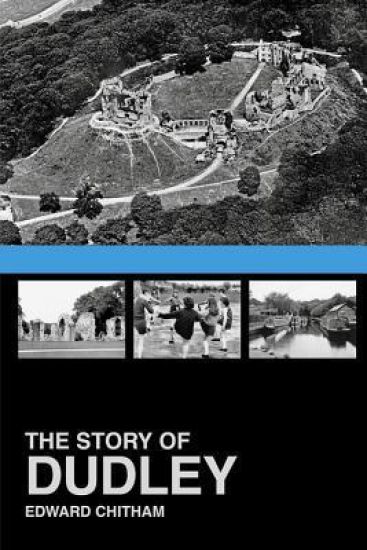
This book provides a rounded account of the history of Dudley, starting before the Norman Conquest. It traces the development of industry in the town, and shows how the lack of utilities, including water, hampered the nineteenth-century town and forced a section of the population into desperate poverty. Major historical treasures remain from this era, however, giving the opportunity for the growth of tourism in the present. The Story of Dudley, compiled by an expert in the area’s history, weaves these events together into an accessible, interesting and in-depth history of the town that is sure to delight residents and visitors alike.
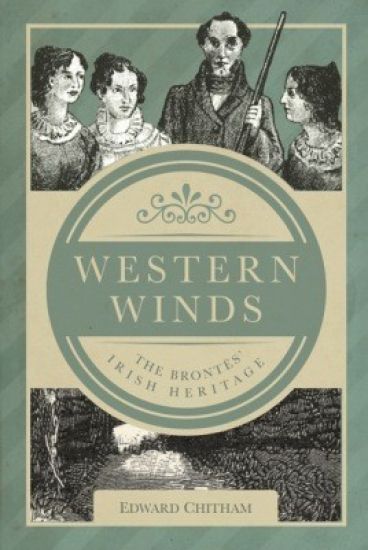
The Irish heritage of the Brontë family has long been overlooked, partly because both Charlotte and her father Patrick did their very best to ensure that this was the case and partly because there was a strong understanding at the end of the nineteenth century that the Brontës were Yorkshire regional novelists. Yet their ideas and attitudes, and perhaps even their storylines, can be traced to Ireland. This book, which develops ideas originally published in The Brontës’ Irish Heritage in 1986, sets the record straight. By re-evaluating the sources available, it traces Patrick’s Irish ancestry and shows how it prevented him from achieving his ambitions; it shows how that heritage influenced his children’s writings, particularly Emily; and it sheds further light on the genesis of Wuthering Heights.
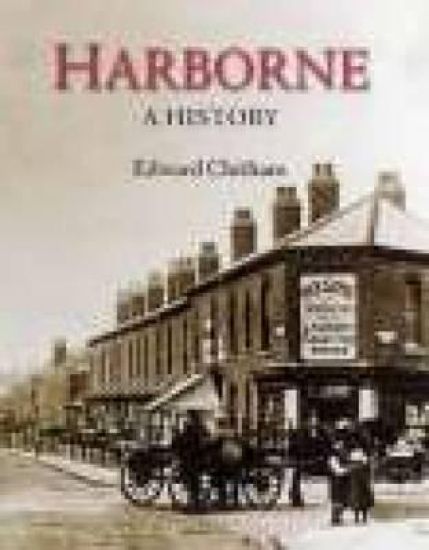
Harborne today is a west Birmingham suburb - yet older residents still talk of 'going down the village' to the shops. Everywhere there are visible reminders of its rural heritage, from the wide, open sweep of the golf courses to the 'old village' conservation area, with its ancient hall, stately 18th-century house, cottages and village pub. Though the High Street may be clogged with traffic, the parish church retains a rural air, with its 14th-century tower, its memorials to worthies of past centuries and its old charity boards.Harborne is one of three Staffordshire suburbs of Birmingham, the other two being Handsworth and Perry Barr. This first comprehensive history of Harborne begins well before its entries in Domesday Book and traces early relations between Harborne and its exuberant daughter Smethwick. It reveals how the early dominance of Lichfield was gradually replaced by the increasing wealth of Birmingham, so that by the early 19th century city manufacturers and bankers were making their home here.The author's entertaining and informative text is based on original research much of which has never previously appeared in print. Similarly his splendid selection of illustrations is drawn from a wealth of sources, many unpublished, and adds great visual impact to the narrative. The book will be warmly welcomed throughout the area and it makes a significant contribution to the literature of the West Midlands conurbation.
Rowley Regis, part of the Metropolitan Borough of Sandwell, was for a long time a separate entity, being in succession a chapelry, a parish, an Urban District, and a borough. This book explores the rural history of the area, describing how it became part of the West Midlands industrial conurbation.
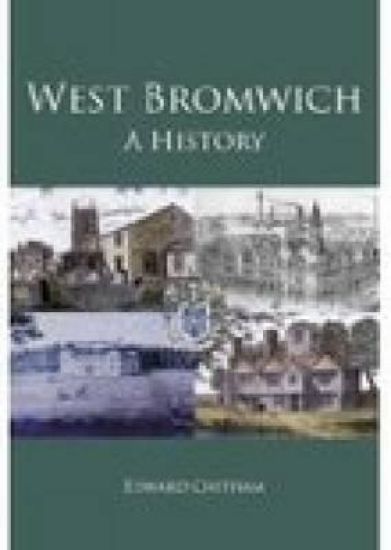
West Bromwich was the largest and most distinguished of the towns amalgamated into the Metropolitan Borough of Sandwell and, despite its modern appearance, has roots in the distant past. There is evidence of prehistoric and Roman occupation in the Sandwell Valley, and there were two monastic institutions in West Bromwich during the Middle Ages. The area was home to the earls of Dartmouth, who played a significant part on the national stage as well as fostering the industrial and civic growth of west Bromwich. They were entrepreneurs who developed coal mines under Sandwell and in Smethwick to the south of the Birmingham Road. The River Tame, which forms the boundary of the old parish for many miles, had provided water power for the mills that sprang up beside it; these now switched from grinding corn to industrial production. This new history draws on primary sources in local record offices as well as secondary material to investigate the pre-industrial as well as the more recent story of West Bromwich.Nineteenth-century histories have been re-examined, the significance of some old place-names explored, and use made of Latin documents from the Reformation and earlier. Census returns and manuscript records of landholdings have contributed information about the growth of the town in the last two centuries.A wide range of illustrations, many from the author's own collection, show aspects of the old parish and town that have rarely been seen before in published form. The town retains many signs of its ancient heritage, both in rural survivals such as the Oak House, the Manor House and All Saints church and in the many flourishing industries, some of which are still situated near the banks of the Tame or beside the canals of the early industrial revolution. This story of West Bromwich will intrigue past and present residents and make an important contribution to the historic profile of the whole of the West Midlands conurbation.
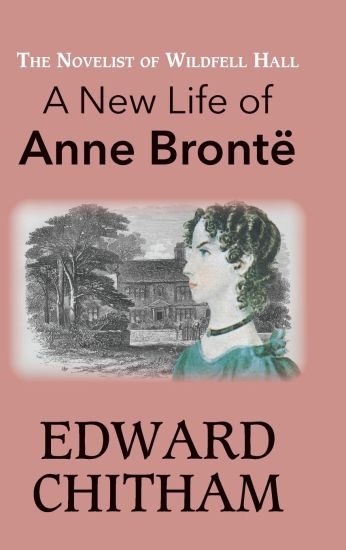
In this landmark new biography, the leading critic Edward Chitham offers a contemporary account of the life and work of the English novelist and poet Anne Bront (1820-49), the youngest member of the Bront literary family. / She published her two world-famed novels, initially under the pen name Acton Bell: Agnes Grey (1847), and The Tenant of Wildfell Hall (1848), one of the first feminist novels. There she tackled fundamental problems, notably the role and place of women in Victorian society. / Anne was the daughter of Patrick Bront , a poor Irish clergyman in the Church of England. She lived most of her life with her family at Haworth on the Yorkshire moors. In 1846 she published a book of poems with her sisters. She had five siblings. Edward Chitham shows that she was in several ways very different. Her writing style was her own, and her novels stand out as unique literary achievements. Anne was close to her Wesleyan aunt, who encouraged her religious feeing as well as her right to be a woman, equal in status to men, but not a pseudo-male. She wanted to be loved and married, with her own children. / Edward Chitham - who has also recently edited Anne's complete poems - shows that her five years as a governess resulted in a remarkable friendship with her pupils. Anne was highly musical, keeping her own manuscript music book and writing resonant and questioning poetry. In April 1839 she started work as a governess for the Ingham family at Blake Hall, near Mirfield. Her time there was so traumatic that she reproduced it in detail in Agnes Grey. / The sisters paid for publication of a collection of poems, 21 from Anne and 21 from Emily and 19 from Charlotte, under pen names which retained their initials but concealed their sex. Anne's pseudonym was Acton Bell. Poems by Currer, Ellis, and Acton Bell was issued in May 1846. / Anne's second novel, The Tenant of Wildfell Hall, was published in the last week of June 1848. She stated her intentions in the second edition, published in August 1848. She wished to tell the truth, and so "When we have to do with vice and vicious characters, I maintain it is better to depict them as they really are than as they would wish to appear. To represent a bad thing in its least offensive light is doubtless the most agreeable course for a writer of fiction to pursue; but is it the most honest, or the safest? Is it better to reveal the snares and pitfalls of life to the young and thoughtless traveller, or to cover them with branches and flowers? O Reader if there were less of this delicate concealment of facts - this whispering 'Peace, peace', when there is no peace, there would be less of sin and misery to the young of both sexes who are left to wring their bitter knowledge from experience." And: "I am at a loss to conceive how a man should permit himself to write anything that would be really disgraceful to a woman, or why a woman should be censured for writing anything that would be proper and becoming for a man." / This new biography makes use of recent research including a return to the issues of her twinship with Emily (a critical twin , as Wildfell Hall shows). The work also examines the family events of the autumn of 1837, when her life hung by a thread. Where possible primary sources are emphasised, avoiding Charlotte s stage-managing of Bront family history.