
Kirjahaku
Etsi kirjoja tekijän nimen, kirjan nimen tai ISBN:n perusteella.
3 kirjaa tekijältä Edward G Longacre
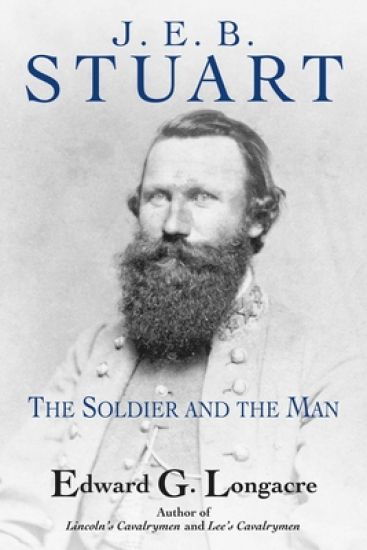
Fifteen years have passed since the publication of the last biography of Jeb Stuart. Several appeared during the last century lauding his contributions to Confederate fortunes in the Eastern Theater. Each follows a familiar tradition established by hero-worshipping subordinates portraying its subject as a model of chivalric conduct with a romantic’s outlook on life and a sense of fair dealing and goodwill, even toward his enemy. J. E. B. Stuart: The Soldier and the Man, by award-winning author Edward Longacre, is the first balanced, detailed, and thoroughly scrutinized study of the life and service of the Civil War’s most famous cavalryman. Long known to scholars and history buffs alike as “The Beau Sabreur of the Confederacy,” James Ewell Brown Stuart of Virginia was possessed of many gifts, personally and professionally, and led the Army of Northern Virginia’s cavalry to the all-but-complete satisfaction of his superiors. Stuart, insisted Robert E. Lee, “never brought me a piece of false information.” Being human, Stuart also under-performed. On occasion, he underestimated his opponents, took unnecessary risks with his habitually understrength command, failed to properly discipline and motivate his troopers, and was prone to errors both strategic and tactical. These flaws were evident during the Gettysburg Campaign, when his wayward route to the battlefield deprived Lee of the ability to safely negotiate his path toward a climactic confrontation with the Union Army of the Potomac. Because of his outsized wartime reputation—one embellished in the century-and-a-half since—most of Stuart’s errors have passed virtually unnoticed or, when addressed, have been excused or explained away in some fashion. Longacre’s study is based on hundreds of published works, archival sources, and newspapers. He probes not only Stuart’s military career but elements of his character and personality that invite investigation. Even the man’s fiercest partisans admitted that he was vain and inordinately sensitive to criticism, with a curious streak of immaturity—at times the hard-edged veteran, at other times a devotee of the pageantry of war, given to affectations such as ostrich-plumed hats, golden spurs, and the headquarters musicians who accompanied him on the march. Ever motivated by appeals to vanity, he curried the patronage of powerful men and responded readily to the attentions of attractive women even though by 1861, he was a long-married man. Personal flaws and limitations aside, Stuart was popular with his officers and men, beloved by members of his staff, and considered by the people of his state and region the beau ideal of Confederate soldiery. The distinction endures today. Longacre’s J. E. B. Stuart is an attempt to determine its validity.
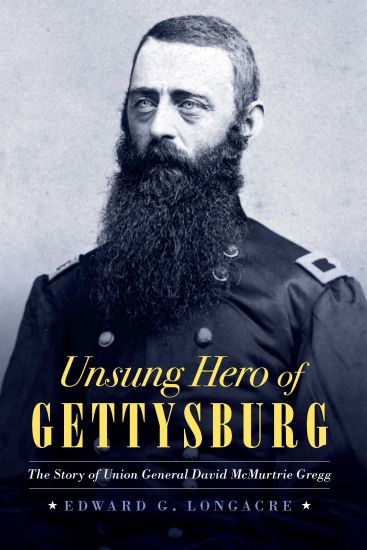
Unsung Hero of Gettysburg: The Story of Union General David McMurtrie Gregg explores the honorable but neglected thirtyface="MS UI Gothic">-three-year old Commander of the Potomac Army David McMurtrie Gregg during Gettysburg, the pivotal battle of the Civil War. On July 3, 1863, Gregg and his troops engaged and held at bay General James Ewell Brown Stuart's cavalry force and prevented the Confederate chieftain from striking General George Gordon Meade's Potomac Army at nearly the same time that Rebel infantry slammed into the Union center, an attack forever afterward known as Pickett's Charge.Gregg's achievements encompassed much more than that critical three day struggle midway through the war. Not long after the Civil War broke out, Captain Gregg joined hundreds of Regular Army officers in accepting higher rank in the nation's volunteer force, being commissioned colonel of the 8th Pennsylvania Cavalry. By imposing and enforcing a rigid drill program and weeding out incompetent subordinates, in a matter of weeks he transformed the underachieving outfit into one of the most proficient mounted units in the Potomac Army. Almost thirteen months after Gettysburg, Gregg rose to lead every horse soldier involved in the siege of Petersburg.David McMurtrie Gregg stands today as the beau ideal of a Civil War cavalryman. Dignified, self composed, and unflappable under pressure, he was unhesitatingly relied upon by his superiors, respected by his peers, and admired by his subordinates. Like all worthy officers, he was conscious of the image he projected to his men and his war torn nation. Rejecting the behavior of publicity seeking colleagues so many of whom seemed to gravitate naturally to the cavalry Gregg held at arm's length the newspaper correspondents who tried to attach themselves to his command, restricting their access to his headquarters and refusing their requests to interview him.Undoubtedly Gregg's modesty and disdain for self promotion factored into his being overlooked by those who furthered the careers of Civil War commanders. But in Unsung Hero of Gettysburg, Edward G. Longacre defends Gregg's value and, for many reasons, not merely his contributions to victory on the most critical day in American history, argues that he does not deserve further neglect.