Kirjojen hintavertailu. Mukana 11 627 373 kirjaa ja 12 kauppaa.

Kirjahaku

Etsi kirjoja tekijän nimen, kirjan nimen tai ISBN:n perusteella.

3 kirjaa tekijältä Elina Gertsman

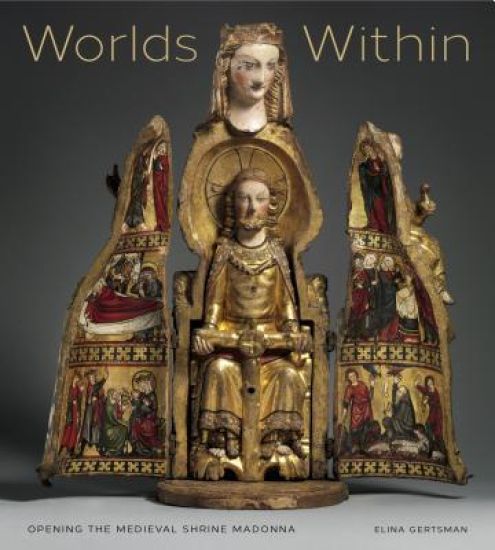
Worlds Within

Worlds Within

Elina Gertsman

Pennsylvania State University Press
2015
sidottu
In Worlds Within, Elina Gertsman investigates the Shrine Madonnas, or Vierges ouvrantes—sculptures that conceal within their bodies complex carved and/or painted iconographies. The Shrine Madonna emerged in Europe at the end of the 1200s and reached a peak of popularity during the following three centuries. Gertsman argues that the appearance of these objects—predicated as they are on the dynamic of concealment, revelation, and fragmentation—points to the changing roles of vision and sensation in the complex, performative ways in which audiences were expected to engage with devotional images, both in public and in private. Worlds Within considers these fascinating sculptures in terms of the rhetoric of secrecy, the discourse of containment, and the tropes of unveiling. Gertsman demonstrates how the statues were associated with the processes of seeing and memory-making and how they functioned as instruments of revelatory knowledge and spiritual reformation in the context of late medieval European culture.
The Absent Image

The Absent Image

Elina Gertsman

Pennsylvania State University Press
2021
sidottu
Winner of the 2022 Charles Rufus Morey Award from the College Art Association Winner of the 2023 Otto Gründler Book Prize from Western Michigan UniversityGuided by Aristotelian theories, medieval philosophers believed that nature abhors a vacuum. Medieval art, according to modern scholars, abhors the same. The notion of horror vacui—the fear of empty space—is thus often construed as a definitive feature of Gothic material culture. In The Absent Image, Elina Gertsman argues that Gothic art, in its attempts to grapple with the unrepresentability of the invisible, actively engages emptiness, voids, gaps, holes, and erasures.Exploring complex conversations among medieval philosophy, physics, mathematics, piety, and image-making, Gertsman considers the concept of nothingness in concert with the imaginary, revealing profoundly inventive approaches to emptiness in late medieval visual culture, from ingenious images of the world’s creation ex nihilo to figurations of absence as a replacement for the invisible forces of conception and death.Innovative and challenging, this book will find its primary audience with students and scholars of art, religion, physics, philosophy, and mathematics. It will be particularly welcomed by those interested in phenomenological and cross-disciplinary approaches to the visual culture of the later Middle Ages.
The Dance of Death in the Middle Ages

The Dance of Death in the Middle Ages

Elina Gertsman

Brepols N.V.
2011
sidottu
Elina Gertsman's multifaceted study introduces readers to the imagery and texts of the Dance of Death, an extraordinary subject that first emerged in western European art and literature in the late medieval era. Conceived from the start as an inherently public image, simultaneously intensely personal and widely accessible, the medieval Dance of Death proclaimed the inevitability of death and declared the futility of human ambition. Gertsman inquires into the theological, socio-historic, literary, and artistic contexts of the Dance of Death, exploring it as a site of interaction between text, image, and beholder. Pulling together a wide variety of sources and drawing attention to those images that have slipped through the cracks of the art historical canon, Gertsman examines the visual, textual, aural, pastoral, and performative discourses that informed the creation and reception of the Dance of Death, and proposes different modes of viewing for several paintings, each of which invited the beholder to participate in an active, kinesthetic experience.