

Kirjahaku
Etsi kirjoja tekijän nimen, kirjan nimen tai ISBN:n perusteella.
7 kirjaa tekijältä Elisa Roberta Zanon
Der Kontext des Wachstums der Stadt Londrina-PR in Verbindung mit den neuen innerst dtischen Strukturen der letzten Jahrzehnte hat das Interesse an der Erforschung des Zentrums und seiner Rolle im Dezentralisierungsprozess geweckt. Generell zeigen die aktuellen Umst nde, dass die Urbanisierung seit Ende des 20. Jahrhunderts einen Prozess mit Tendenzen zur Komplexifizierung ihrer r umlichen Organisation durchl uft. In diesem Sinne verliert das Stadtzentrum, das sich zuvor durch seine einzigartige Pr senz auszeichnete, seine Stellung als Knotenpunkt zu den anderen Zentren, wobei seine Funktion nicht mehr auf die Zentralit t beschr nkt ist, in der sich Infrastruktur, Verkehrsstr me und der terti re Sektor konzentrieren. Dieses Zentrum, das als Hauptzentrum der st dtischen Struktur verstanden wird, nimmt aufgrund seiner Eigenschaften auch eine repr sentative Funktion f r die Stadt ein: sektorale und territoriale Reichweite, gr ere Vielfalt an Aktivit ten, Zug nglichkeit, Knotenpunktcharakter. Dar ber hinaus ist das Zentrum ein pluralistischer Raum, der von den sozialen Schichten nur schwer zu dominieren ist, aber auch der Ort der Denkm ler, der lokalen Geschichte und der Konzentration symbolischer Werte.
Le contexte de croissance de la ville de Londrina-PR, associ aux nouveaux am nagements de son organisation intra-urbaine au cours des derni res d cennies, a suscit un int r t pour la recherche sur le centre et son r le dans le processus de d centralisation. D'une mani re g n rale, les circonstances actuelles montrent que l'urbanisation a mis en vidence un processus tendant complexifier son organisation spatiale, principalement partir de la fin du XXe si cle. En ce sens, le centre-ville, qui se distinguait auparavant par sa pr sence unique, passe une position articul e avec les autres centres, sa fonction ne se limitant plus la centralit qui concentre les infrastructures, les flux et le secteur tertiaire. Ce centre, consid r comme le centre principal de la structure urbaine, assume galement une fonction repr sentative de la ville, compte tenu de ses attributs: couverture sectorielle et territoriale, plus grande diversit d'activit s, accessibilit , nodalit , sans oublier que le centre se r v le tre un espace pluriel et difficile dominer par les classes sociales, mais aussi le lieu des monuments, de l'histoire locale et de la concentration des valeurs symboliques.

Il contesto di crescita della citt di Londrina-PR, associato ai nuovi assetti della sua organizzazione intraurbana negli ultimi decenni, ha suscitato interesse per la ricerca sul Centro e sul suo ruolo nel processo di decentralizzazione. In generale, le circostanze attuali mostrano che l'urbanizzazione ha evidenziato un processo con tendenze alla complessificazione della sua organizzazione spaziale, soprattutto a partire dalla fine del XX secolo. In questo senso, il centro della citt , che prima si distingueva per la sua presenza singolare, passa ad essere collegato agli altri centri, e la sua funzione non si limita pi alla centralit che converge la concentrazione di infrastrutture, flussi e settore terziario. Questo centro, inteso come centro principale nella struttura urbana, assume anche una condizione rappresentativa della citt , in considerazione delle sue caratteristiche: copertura settoriale e territoriale, maggiore diversit di attivit , accessibilit , nodalit , oltre al fatto che il centro si presenta come uno spazio plurale e difficile da essere dominato dalle classi sociali, ma anche come luogo dei monumenti, della storia locale e della concentrazione dei valori simbolici.
The context of the growth of the city of Londrina-PR, associated with the new arrangements of its intra-urban organization in recent decades, has led to interest in researching the center and its role in the decentralization process. In general, current circumstances show that urbanization has evidenced a process with trends toward greater complexity in its spatial organization, especially since the end of the 20th century. In this sense, the city center, which previously stood out for its unique presence, has become linked to other centers, and its function is no longer restricted to being a hub that converges infrastructure, flows, and the tertiary sector. This center, understood as the main center in the urban structure, also assumes a representative condition of the city, given its attributes: sectoral and territorial scope, greater diversity of activities, accessibility, nodality, in addition to the fact that the center is a plural space that is difficult to be dominated by social classes, but also the location of monuments, local history, and a concentration of symbolic values.
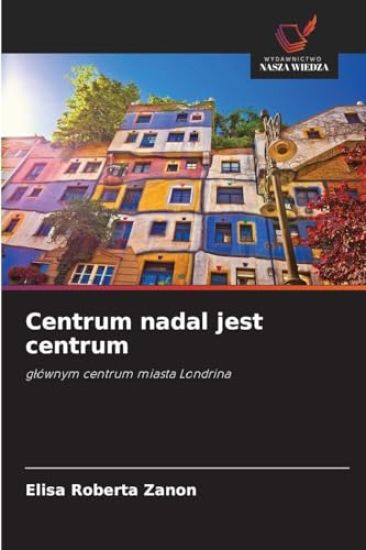
Kontekst rozwoju miasta Londrina w stanie Paran , związany z nowymi zmianami w jego organizacji wewnątrzmiastowej w ostatnich dziesięcioleciach, spowodowal wzrost zainteresowania badaniami nad centrum miasta i jego rolą w procesie decentralizacji. Og lnie rzecz biorąc, obecna sytuacja pokazuje, że urbanizacja charakteryzuje się tendencją do zwiększania zlożoności organizacji przestrzennej, zwlaszcza od końca XX wieku. W tym sensie centrum miasta, kt re wcześniej wyr żnialo się swoją wyjątkową obecnością, przechodzi do pozycji powiązanej z innymi centrami, a jego funkcja nie ogranicza się do centralności, kt ra skupia infrastrukturę, przeplywy i sektor uslugowy. Centrum to, rozumiane jako gl wny ośrodek struktury miejskiej, pelni r wnież funkcję reprezentacyjną miasta, biorąc pod uwagę jego atrybuty: zasięg sektorowy i terytorialny, większą r żnorodnośc dzialań, dostępnośc, węzlowośc, a ponadto centrum jest przestrzenią pluralistyczną i trudną do zdominowania przez klasy spoleczne, ale także miejscem pomnik w, lokalnej historii i koncentracji wartości symbolicznych.