

Kirjahaku
Etsi kirjoja tekijän nimen, kirjan nimen tai ISBN:n perusteella.
30 kirjaa tekijältä Elizabeth Clayton
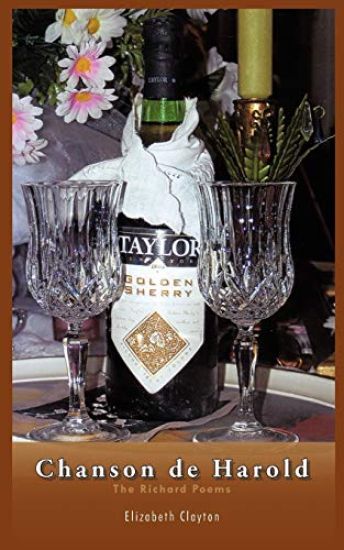
Elizabeth and Richard were fated to live a tragic love story. They met and immediately fell in love, despite emotional disorders that threatened their personal relationships. Elizabeth suffered from bipolar disorder; Richard, from a personality disorder. Yet, somehow, their own mental flaws came together to form a perfect unit that allowed them to love each other wholeheartedly until Richard's death in 1992. With the advent of new medicine, Elizabeth slowly got better, while Richard did not. This separation of effective treatment led to Richard's alienation of his wife, mainly through alcohol, until his demons took him away from his loving wife forever. It was heart-wrenching for Elizabeth, who over the course of twenty-two years had developed a symbiotic relationship with her husband-his inadequacies feeding hers, and vice versa. The only way to exorcise her own mental demons was to write, and write she did. Chanson de Harold is a semi-autobiographical collection of poems, written as an ode to her marriage. It follows an ill-fated knight as he is slowly swallowed by the evils of his own mind.It is an exercise in catharsis, as a wife struggles to survive the loss of true love-one verse at a time-and heal from her own psychological wounds in the process.
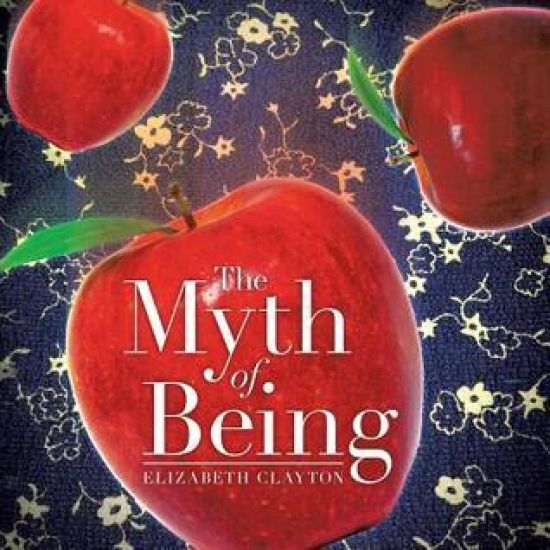
While The Myth of Being is a gentle recording of the author's earliest impressions and memories transcribed when she was a young adult, these verses, from the period of three or four years of age until her second marriage and especially difficult struggle with bipolar illness (1970s), an aside might be added; at a level beyond effective description and playful illustrations, which do reveal the activity of beautiful memory, one can find very early, deep pondering of the meaning of our existence-being-its beauty to hold briefly, but ultimately for the author, coming dark.
"A crown is but the open flower in sunshine's bright." Inside our thought holds most of the riddle of existence; we interact primarily with the objectively real, but always in companionship with the part of ourselves that is like an unclear halo. We know it is truly our own, but, in great part, clouded. It is the marvelous self that is non-corporal. It is the spiritual unit of our being, and while troubling and source to much sorrow, it is triumphant, as we die to its revealing, we, then, rising, as the grande phoenix out her ashes to the upward. It is truly a source of secrets, an entrance, however painful, for the Holy into our being; it allows a concept of beauty to blossom in heinous circumstance, and allows night to be born into a knowing glory, solitude, in onliness, to present honorable messages of truth. Therefore, the bog, the marsh, the heath, in purple or grey - the bramble, yet the swamp - these are familiar settings for research and truth. Our cognitive skills and their enlightening studies in classrooms, everyday walks, traumatic events, as well as alternations in natural rhythming - these we bring inside ourselves to see what we may see - perhaps a rose; the rose grows into much of itself, into its rarity of beauty, within the dark, and as a metaphor of truth, more out of solitude and personal embracing of ultimately finding.