Kirjojen hintavertailu. Mukana 11 244 527 kirjaa ja 12 kauppaa.

Kirjahaku

Etsi kirjoja tekijän nimen, kirjan nimen tai ISBN:n perusteella.

4 kirjaa tekijältä Ellen Swift

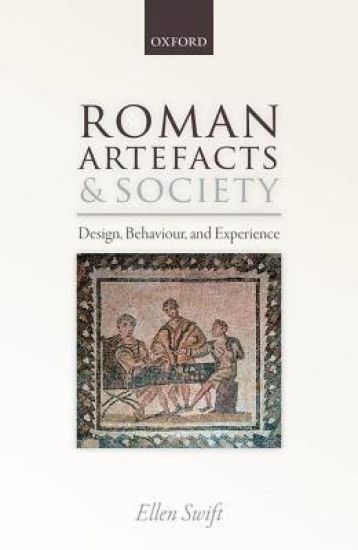
Roman Artefacts and Society

Roman Artefacts and Society

Ellen Swift

Oxford University Press
2017
sidottu
In this book, Ellen Swift uses design theory, previously neglected in Roman archaeology, to investigate Roman artefacts in a new way, making a significant contribution to both Roman social history, and our understanding of the relationships that exist between artefacts and people. Based on extensive data collection and the close study of artefacts from museum collections and archives, the book examines the relationship between artefacts, everyday behaviour, and experience. The concept of 'affordances'-features of an artefact that make possible, and incline users towards, particular uses for functional artefacts-is an important one for the approach taken. This concept is carefully evaluated by considering affordances in relation to other sources of evidence, such as use-wear, archaeological context, the end-products resulting from artefact use, and experimental reconstruction. Artefact types explored in the case studies include locks and keys, pens, shears, glass vessels, dice, boxes, and finger-rings, using material mainly drawn from the north-western Roman provinces, with some material also from Roman Egypt. The book then considers how we can use artefacts to understand particular aspects of Roman behaviour and experience, including discrepant experiences according to factors such as age, social position, and left- or right-handedness, which are fostered through artefact design. The relationship between production and users of artefacts is also explored, investigating what particular production methods make possible in terms of user experience, and also examining production constraints that have unintended consequences for users. The book examines topics such as the perceived agency of objects, differences in social practice across the provinces, cultural change and development in daily practice, and the persistence of tradition and social convention. It shows that design intentions, everyday habits of use, and the constraints of production processes each contribute to the reproduction and transformation of material culture.
Roman Artefacts and Society

Roman Artefacts and Society

Ellen Swift

Oxford University Press
2020
nidottu
In this book, Ellen Swift uses design theory, previously neglected in Roman archaeology, to investigate Roman artefacts in a new way, making a significant contribution to both Roman social history, and our understanding of the relationships that exist between artefacts and people. Based on extensive data collection and the close study of artefacts from museum collections and archives, the book examines the relationship between artefacts, everyday behaviour, and experience. The concept of 'affordances'—features of an artefact that make possible, and incline users towards, particular uses for functional artefacts—is an important one for the approach taken. This concept is carefully evaluated by considering affordances in relation to other sources of evidence, such as use—wear, archaeological context, the end—products resulting from artefact use, and experimental reconstruction. Artefact types explored in the case studies include locks and keys, pens, shears, glass vessels, dice, boxes, and finger-rings, using material mainly drawn from the north-western Roman provinces, with some material also from Roman Egypt. The book then considers how we can use artefacts to understand particular aspects of Roman behaviour and experience, including discrepant experiences according to factors such as age, social position, and left- or right-handedness, which are fostered through artefact design. The relationship between production and users of artefacts is also explored, investigating what particular production methods make possible in terms of user experience, and also examining production constraints that have unintended consequences for users. The book examines topics such as the perceived agency of objects, differences in social practice across the provinces, cultural change and development in daily practice, and the persistence of tradition and social convention. It shows that design intentions, everyday habits of use, and the constraints of production processes each contribute to the reproduction and transformation of material culture.
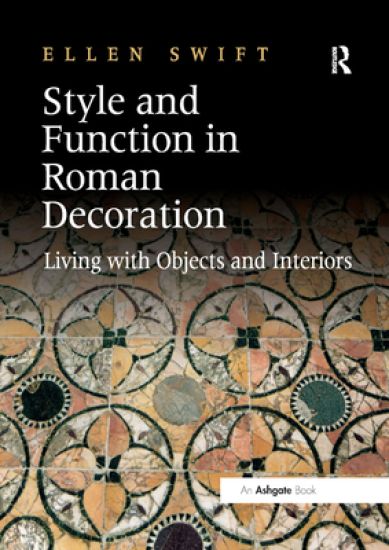
Style and Function in Roman Decoration
This important book puts forward a new interpretation of Roman decorative art, focusing on the function of decoration in the social context. It examines the three principal areas of social display and conspicuous consumption in the Roman world: social space, entertainment, and dress, and discusses the significance of the decoration of objects and interiors within these contexts, drawing examples from both Rome and its environs, and the Western provinces, from the early Imperial period to Late Antiquity. Focusing on specific examples, including mosaics and other interior décor, silver plate, glass and pottery vessels, and jewellery and other dress accessories, Swift demonstrates the importance of decoration in creating and maintaining social networks and identities and fostering appropriate social behaviour, and its role in perpetuating social convention and social norms. It is argued that our understanding of stylistic change and the relationship between this and the wider social context in the art of the Roman period is greatly enhanced by an initial focus on the particular social relationships fostered by decorated objects and spaces. The book demonstrates that an examination of so-called 'minor art' is fundamental in any understanding of the relationship between art and its social context, and aims to reinvigorate debate on the value of decoration and ornament in the Roman period and beyond.
Style and Function in Roman Decoration

Style and Function in Roman Decoration

Ellen Swift

Ashgate Publishing Limited
2009
sidottu
This important book puts forward a new interpretation of Roman decorative art, focusing on the function of decoration in the social context. It examines the three principal areas of social display and conspicuous consumption in the Roman world: social space, entertainment, and dress, and discusses the significance of the decoration of objects and interiors within these contexts, drawing examples from both Rome and its environs, and the Western provinces, from the early Imperial period to Late Antiquity. Focusing on specific examples, including mosaics and other interior décor, silver plate, glass and pottery vessels, and jewellery and other dress accessories, Swift demonstrates the importance of decoration in creating and maintaining social networks and identities and fostering appropriate social behaviour, and its role in perpetuating social convention and social norms. It is argued that our understanding of stylistic change and the relationship between this and the wider social context in the art of the Roman period is greatly enhanced by an initial focus on the particular social relationships fostered by decorated objects and spaces. The book demonstrates that an examination of so-called 'minor art' is fundamental in any understanding of the relationship between art and its social context, and aims to reinvigorate debate on the value of decoration and ornament in the Roman period and beyond.