Kirjojen hintavertailu. Mukana 11 605 943 kirjaa ja 12 kauppaa.

Kirjahaku

Etsi kirjoja tekijän nimen, kirjan nimen tai ISBN:n perusteella.

6 kirjaa tekijältä Emanuel Levy

Gay Directors, Gay Films?

Gay Directors, Gay Films?

Emanuel Levy

Columbia University Press
2015
sidottu
Through intimate encounters with the life and work of five contemporary gay male directors, this book develops a framework for interpreting what it means to make a gay film or adopt a gay point of view. For most of the twentieth century, gay characters and gay themes were both underrepresented and misrepresented in mainstream cinema. Since the 1970s, however, a new generation of openly gay directors has turned the closet inside out, bringing a poignant immediacy to modern cinema and popular culture. Combining his experienced critique with in-depth interviews, Emanuel Levy draws a clear timeline of gay filmmaking over the past four decades and its particular influences and innovations. While recognizing the "queering" of American culture that resulted from these films, Levy also takes stock of the ensuing conservative backlash and its impact on cinematic art, a trend that continues alongside a growing acceptance of homosexuality. He compares the similarities and differences between the "North American" attitudes of Todd Haynes, Gus Van Sant, and John Waters and the "European" perspectives of Pedro Almodovar and Terence Davies, developing a truly expansive approach to gay filmmaking and auteur cinema.

Gay Directors, Gay Films?

Gay Directors, Gay Films?

Emanuel Levy

Columbia University Press
2015
pokkari
Through intimate encounters with the life and work of five contemporary gay male directors, this book develops a framework for interpreting what it means to make a gay film or adopt a gay point of view. For most of the twentieth century, gay characters and gay themes were both underrepresented and misrepresented in mainstream cinema. Since the 1970s, however, a new generation of openly gay directors has turned the closet inside out, bringing a poignant immediacy to modern cinema and popular culture. Combining his experienced critique with in-depth interviews, Emanuel Levy draws a clear timeline of gay filmmaking over the past four decades and its particular influences and innovations. While recognizing the "queering" of American culture that resulted from these films, Levy also takes stock of the ensuing conservative backlash and its impact on cinematic art, a trend that continues alongside a growing acceptance of homosexuality. He compares the similarities and differences between the "North American" attitudes of Todd Haynes, Gus Van Sant, and John Waters and the "European" perspectives of Pedro Almodovar and Terence Davies, developing a truly expansive approach to gay filmmaking and auteur cinema.

John Wayne

John Wayne

Emanuel Levy

Scarecrow Press
1998
nidottu
John Wayne was the most popular and the most durable star in film history. He was also a national legend, a folk hero, and a powerful symbol of the American Dream. Levy evaluates Wayne's film oeuvre by comparing him with other major stars of his generation and demonstrates that of all American actors, he came closest to the notion of 'actor-as-auteur.'
Cinema of Outsiders

Cinema of Outsiders

Emanuel Levy

New York University Press
1999
sidottu
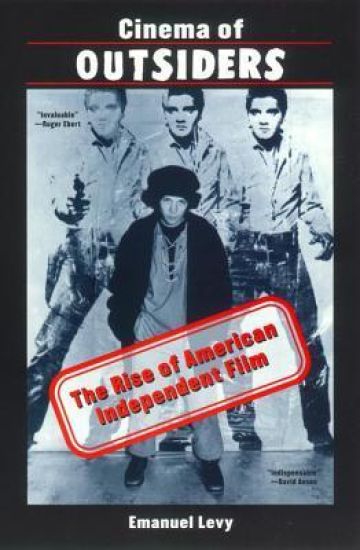
A deep dive into the emergence and success of independent filmmaking in America A Los Angeles Times Bestseller The most important development in American culture of the last two decades is the emergence of independent cinema as a viable alternative to Hollywood. Indeed, while Hollywood's studios devote much of their time and energy to churning out big-budget, star-studded event movies, a renegade independent cinema that challenges mainstream fare continues to flourish with strong critical support and loyal audiences. Cinema of Outsiders is the first and only comprehensive chronicle of contemporary independent movies from the late 1970s up to the present. From the hip, audacious early works of maverick David Lynch, Jim Jarmusch, and Spike Lee, to the contemporary Oscar-winning success of indie dynamos, such as the Coen brothers (Fargo), Quentin Tarentino (Pulp Fiction), and Billy Bob Thornton (Sling Blade), Levy describes in a lucid and accessible manner the innovation and diversity of American indies in theme, sensibility, and style. Documenting the socio-economic, political and artistic forces that led to the rise of American independent film, Cinema of Outsiders depicts the pivotal role of indie guru Robert Redford and his Sundance Film Festival in creating a showcase for indies, the function of film schools in supplying talent, and the continuous tension between indies and Hollywood as two distinct industries with their own structure, finance, talent and audience. Levy describes the major cycles in the indie film movement: regional cinema, the New York school of film, African-American, Asian American, gay and lesbian, and movies made by women. Based on exhaustive research of over 1,000 movies made between 1977 and 1999, Levy evaluates some 200 quintessential indies, including Choose Me, Stranger Than Paradise, Blood Simple, Blue Velvet, Desperately Seeking Susan, Slacker, Poison, Reservoir Dogs, Gas Food Lodging, Menace II Society, Clerks, In the Company of Men, Chasing Amy, The Apostle, The Opposite of Sex, and Happiness. Cinema of Outsiders reveals the artistic and political impact of bold and provocative independent movies in displaying the cinema of "outsiders"-the cinema of the "other America."
Cinema of Outsiders

Cinema of Outsiders

Emanuel Levy

New York University Press
2001
pokkari
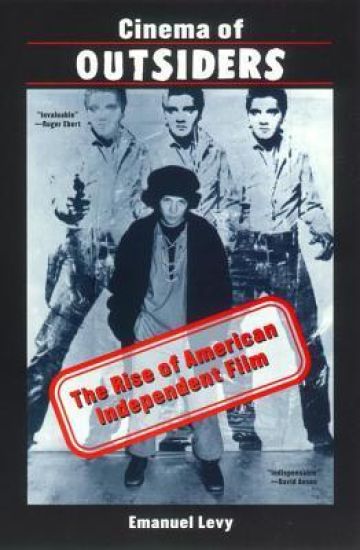
A deep dive into the emergence and success of independent filmmaking in America A Los Angeles Times Bestseller The most important development in American culture of the last two decades is the emergence of independent cinema as a viable alternative to Hollywood. Indeed, while Hollywood's studios devote much of their time and energy to churning out big-budget, star-studded event movies, a renegade independent cinema that challenges mainstream fare continues to flourish with strong critical support and loyal audiences. Cinema of Outsiders is the first and only comprehensive chronicle of contemporary independent movies from the late 1970s up to the present. From the hip, audacious early works of maverick David Lynch, Jim Jarmusch, and Spike Lee, to the contemporary Oscar-winning success of indie dynamos, such as the Coen brothers (Fargo), Quentin Tarentino (Pulp Fiction), and Billy Bob Thornton (Sling Blade), Levy describes in a lucid and accessible manner the innovation and diversity of American indies in theme, sensibility, and style. Documenting the socio-economic, political and artistic forces that led to the rise of American independent film, Cinema of Outsiders depicts the pivotal role of indie guru Robert Redford and his Sundance Film Festival in creating a showcase for indies, the function of film schools in supplying talent, and the continuous tension between indies and Hollywood as two distinct industries with their own structure, finance, talent and audience. Levy describes the major cycles in the indie film movement: regional cinema, the New York school of film, African-American, Asian American, gay and lesbian, and movies made by women. Based on exhaustive research of over 1,000 movies made between 1977 and 1999, Levy evaluates some 200 quintessential indies, including Choose Me, Stranger Than Paradise, Blood Simple, Blue Velvet, Desperately Seeking Susan, Slacker, Poison, Reservoir Dogs, Gas Food Lodging, Menace II Society, Clerks, In the Company of Men, Chasing Amy, The Apostle, The Opposite of Sex, and Happiness. Cinema of Outsiders reveals the artistic and political impact of bold and provocative independent movies in displaying the cinema of "outsiders"-the cinema of the "other America."